+51 980 852 691 +51 930 842 108 [ES] info@andeantrekkingperu.com Calle Marques 231 Int. 115. CC Sotomayor.
Contact Us

Travel to the Mysteries of Qorikancha

Nestled in the heart of Cusco, the historic capital of the Inca Empire, lies a place of incredible significance, Qorikancha. Known as the “Golden Temple,” Qorikancha stands as a testament to the architectural prowess and spiritual depth of the Inca civilization.

This temple, once adorned with gold, was dedicated to Inti, the Sun God, and served as a major religious center. As we delve into the mysteries of Qorikancha, we uncover a tapestry of cultural, historical, and architectural wonders that continue to captivate visitors and scholars alike.

Origins and Significance

Qorikancha, meaning “Golden Courtyard” in Quechua, was the most important temple in the Inca Empire. It was constructed during the reign of the great Sapa Inca Pachacuti, an emperor renowned for his visionary leadership and architectural achievements.

The temple was built to honor Inti, the Sun God, who was considered the most significant deity in the Inca pantheon. Qorikancha served as a hub for religious ceremonies and astronomical observations, reflecting the Incas’ sophisticated understanding of the cosmos.

Architectural Marvels

The construction of Qorikancha is shrouded in the mists of time, with its origins tracing back to the reign of Pachacuti in the 15th century. This emperor is credited with transforming the Inca Empire, and Qorikancha was a centerpiece of his ambitious architectural projects.

The temple was not just a religious site but a demonstration of the empire’s wealth and power. The choice of location was strategic, as Cusco was the heart of the empire, symbolizing the connection between the earthly realm and the divine. The Inti Raymi cultural festival takes place in the Qoricancha, proof of the deep importance.

Religious and Astronomical Importance

Qorikancha’s role as a religious center cannot be overstated. It was dedicated to Inti, the Sun God, a deity who held supreme importance in Inca mythology. The temple was a focal point for worship and served as a venue for important religious festivals and ceremonies.

The Incas believed that the sun’s divine energy was channeled through Qorikancha, making it a sacred space where the emperor and high priests could communicate with the gods and ensure the prosperity of the empire.

The Incas were keen astronomers, and Qorikancha played a vital role in their celestial studies. The temple’s alignment with the solstices and equinoxes allowed priests to track the movements of the sun and stars with remarkable precision. This knowledge was crucial for agricultural planning, as it determined the timing of planting and harvesting. The temple’s design reflects a deep understanding of astronomy, with windows and niches positioned to capture the sun’s rays during key celestial events, further emphasizing its importance in Inca society.

Engineering and Gold Adornments

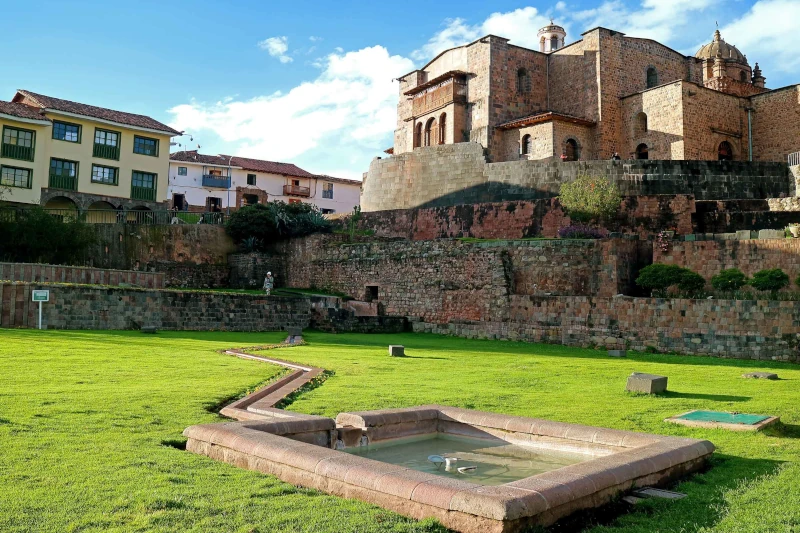
qorikancha

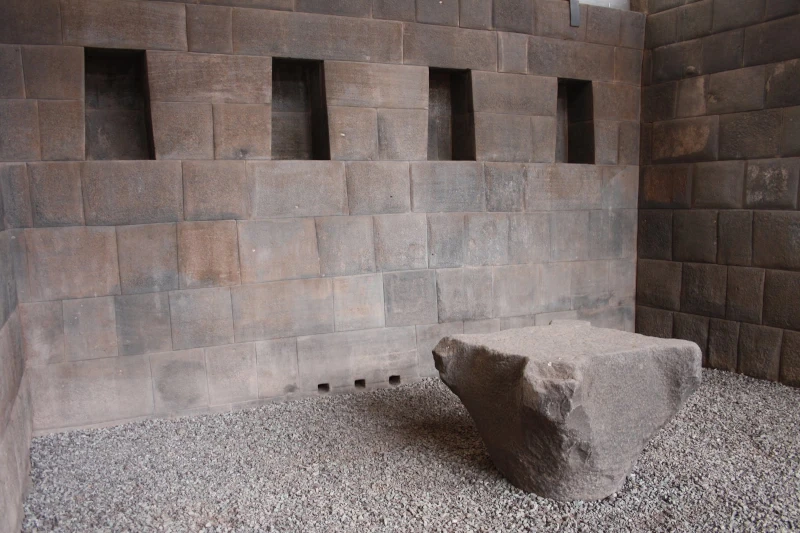
The architecture of Qorikancha is a marvel in itself. The temple was built using finely cut stone blocks that fit together so precisely that not even a blade of grass could fit between them. This technique, known as ashlar masonry, is a hallmark of Inca engineering and demonstrates their advanced construction skills. The temple’s walls were once covered in sheets of gold, which reflected the sun’s rays and illuminated the city a sight that must have been truly awe-inspiring.

The precision of Inca masonry is legendary, and Qorikancha is a prime example. The stones were cut with such accuracy that they interlocked perfectly without the need for mortar. This technique, known as ashlar masonry, not only provided structural stability but also made the buildings earthquake-resistant. The craftsmanship demonstrated in Qorikancha’s construction speaks volumes about the Inca’s engineering prowess and their ability to manipulate natural materials to achieve architectural harmony.

The use of gold in Qorikancha was both symbolic and practical. The temple’s exterior was adorned with gold plates, which captured and reflected sunlight, creating a dazzling display that symbolized the divine presence of Inti. Inside, gold was used to decorate altars and statues, further emphasizing the temple’s sacred status. This lavish use of precious metals demonstrated the empire’s wealth and devotion to the gods, making Qorikancha a beacon of Inca spirituality and opulence.

Integration with Nature

The Incas were masters at integrating their architecture with the natural landscape, and Qorikancha was no exception. The temple was designed to align with the surrounding mountains and celestial bodies, creating a harmonious relationship between the built and natural environments. The terraces and gardens around Qorikancha were meticulously planned to reflect the Inca’s reverence for nature, showcasing their belief in living in balance with the earth and honoring the land as a sacred entity.

Impact of the Spanish Conquest


The arrival of the Spanish conquistadors in the 16th century marked a dramatic change for Qorikancha. Francisco Pizarro and his men were astounded by the wealth and splendor of the temple. They stripped it of its gold and dismantled much of its structure. In its place, they built the Church of Santo Domingo, integrating the original Inca stonework into the new structure. This fusion of Inca and Spanish architecture can still be seen today and serves as a poignant reminder of the cultural collision that occurred during the conquest.

The Spanish conquest had a profound impact on Qorikancha, as it did on much of the Inca Empire. The conquistadors, driven by the pursuit of wealth. They were quick to seize the temple’s gold, stripping it of its religious treasures. This act of plunder was not just an economic blow but a cultural one. Also the spiritual heart of the Inca civilization was desecrated. The dismantling of Qorikancha marked the beginning of a new era. Where the indigenous culture was overshadowed by Spanish rule and its accompanying societal changes.

In the wake of the conquest, the Spanish sought to impose their own cultural and religious values on the Andean people. The construction of the Church of Santo Domingo atop the ruins of Qorikancha symbolized this cultural imposition. By incorporating the original Inca stonework into the church’s foundation. The Spanish created a physical and symbolic fusion of the two cultures. This architectural blend serves as a testament to the resilience of the Inca legacy.

Enduring Legacy

Despite the destruction wrought by the conquistadors, the legacy of Qorikancha endures. The site remains a powerful symbol of Inca ingenuity and spiritual depth. The preservation of the original stonework within the Church of Santo Domingo highlights. Also the resilience of the Andean people and their ability to adapt and preserve their heritage. Qorikancha’s enduring presence in Cusco serves as a reminder of the rich cultural tapestry of the Andean region and the strength of its people in the face of adversity.

qorikancha

Quechua and Cultural Continuity

The story of Qorikancha is not complete without acknowledging the linguistic and cultural heritage of the Andean people. The Quechua language, once spoken by the Incas, is still alive today and is a vital part of Peru’s cultural identity. Many of the place names, including Qorikancha itself, are in Quechua, offering a glimpse into the past and the continuity of cultural traditions.

Quechua, the language of the Inca Empire, continues to be spoken by millions across the Andes. Its survival is a testament to the resilience of indigenous cultures in the face of colonial suppression. Efforts to preserve and promote Quechua are ongoing, with educational programs and cultural initiatives aiming to keep the language alive for future generations. This linguistic endurance is crucial for maintaining a connection to the Inca heritage and ensuring that cultural narratives remain vibrant and accessible.

The cultural practices and traditions of the Andean people are deeply intertwined with their linguistic heritage. Many festivals, ceremonies, and rituals are conducted in Quechua, preserving the spiritual and historical significance of these events. Traditional music, dance, and clothing are also integral to the cultural identity of the region, reflecting a rich tapestry of influences that have been passed down through generations. These practices serve as living reminders of the Inca legacy and the enduring spirit of the Andean people.

Language is a powerful marker of identity, and for the people of the Andes, Quechua is a vital component of their cultural identity. It connects them to their ancestors and provides a sense of belonging and continuity. The revival and preservation of Quechua not only strengthen cultural pride but also foster a deeper understanding of the region’s history and heritage. As efforts to promote Quechua continue, the language remains a key element in the broader narrative of Andean identity and cultural preservation.

qorikancha

Visiting Qorikancha and Cusco

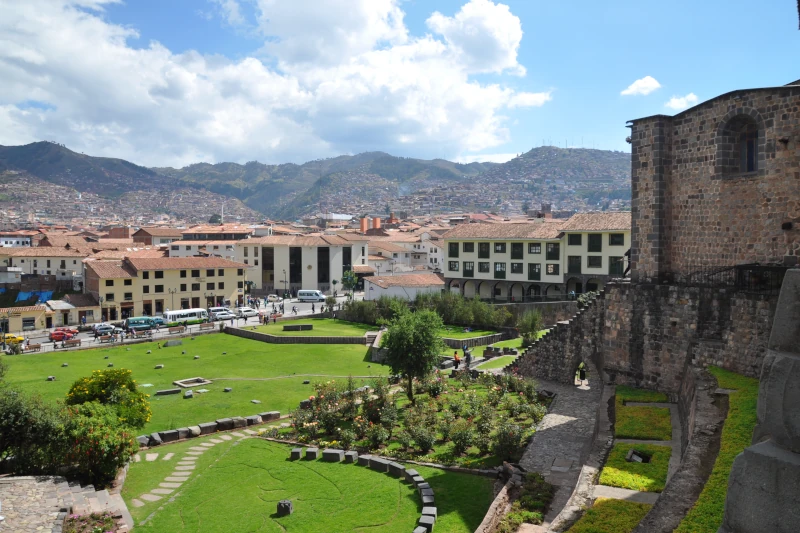
For those planning a visit to Cusco, Qorikancha is conveniently located near the city’s main square, the Plaza de Armas. The plaza itself is a vibrant hub of activity, surrounded by beautiful colonial architecture, including the Cusco Cathedral. Visitors can explore the rich history of Cusco by visiting these tourist attractions, each telling a part of the city’s complex story.

Cusco’s historic center is a treasure trove of architectural and cultural wonders. The Plaza de Armas is the heart of the city, offering a glimpse into its colonial past with its Spanish-style buildings and cobblestone streets. Visitors can stroll through the plaza, enjoying the vibrant atmosphere and taking in the sights and sounds of this bustling area. The juxtaposition of Inca and Spanish influences is evident throughout the city, providing a fascinating backdrop for exploring Cusco’s layered history.

The Cusco Cathedral, located on the northeast side of the Plaza de Armas, is a must-visit for those interested in colonial architecture and religious history. Built on the foundations of an Inca palace, the cathedral houses a stunning collection of religious art and artifacts. Nearby, the Church of La Compañía de Jesús is another architectural gem, known for its intricate façade and beautiful interior. These landmarks provide a window into the colonial era and the fusion of European and indigenous cultures that shaped Cusco.

Visiting Qorikancha and the surrounding area offers a gateway to understanding the rich Inca heritage that permeates Cusco. The city’s museums, such as the Inca Museum and the Museo de Arte Precolombino, offer insights into the history and culture of the region. By exploring these sites, visitors can gain a deeper appreciation for the achievements of the Inca civilization and the enduring legacy that continues to influence the Andean people. Cusco is not just a city of the past but a living testament to the vibrancy and resilience of its cultural heritage.

qorikancha

A Window into Inca Civilization

Qorikancha is more than just a historical site; it is a window into the soul of the Inca civilization and its profound connection with the cosmos. Its enduring presence in Cusco serves as a reminder of the rich cultural heritage of the Andean people and the importance of preserving these treasures for future generations. As you explore Qorikancha, you not only walk through the remnants of a bygone era but also engage with the living legacy of a people whose influence continues to resonate throughout the Machu Picchu Andes.

Visiting Qorikancha offers an opportunity to connect with history, culture, and the deep spiritual traditions of the Incas. Whether you are a scholar, a travel writer, or simply an enthusiast of ancient civilizations, Qorikancha promises a journey of discovery and wonder that is sure to inspire.