+51 980 852 691 +51 930 842 108 [ES] info@andeantrekkingperu.com Calle Marques 231 Int. 115. CC Sotomayor.
Contact Us

Top Attractions Around Plaza de Armas of Cusco

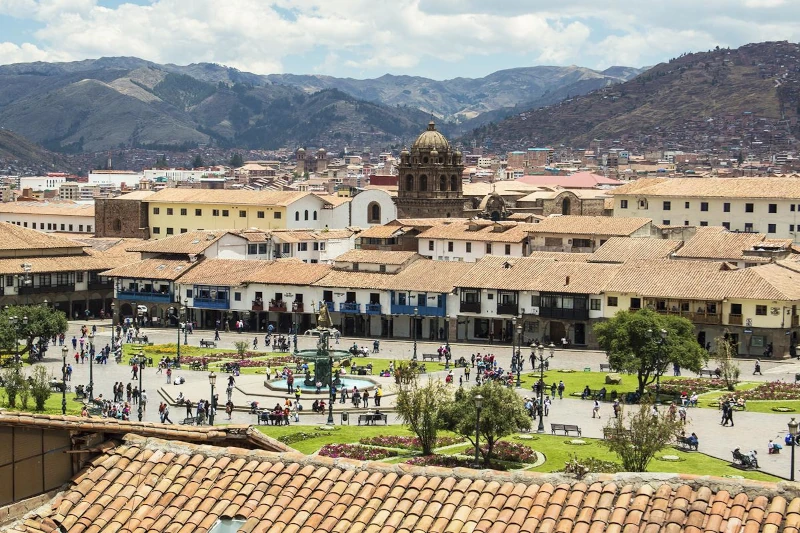
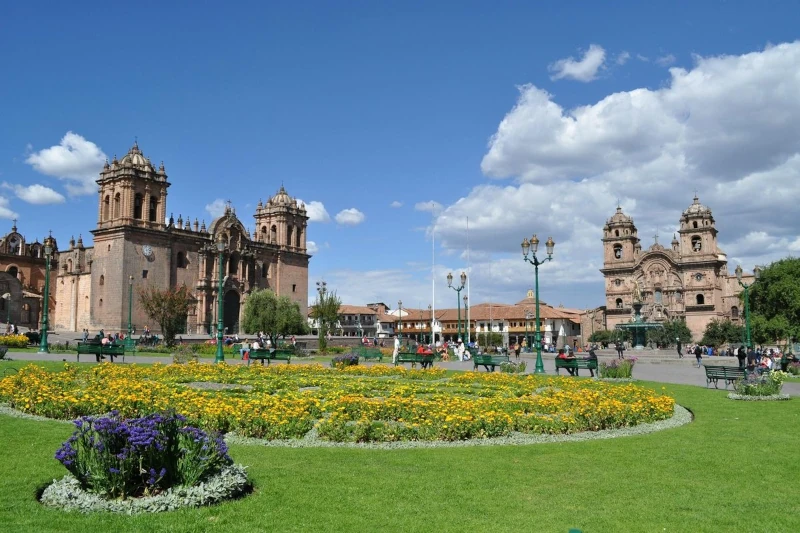
The Plaza de Armas has long been the beating heart of Cusco. Originally an Inca ceremonial space known as “Huacaypata,” the square was transformed during the Spanish conquest. Today, it is flanked by colonial arcades, baroque churches, and vibrant gardens. Therefore the square is a microcosm of Cusco’s layered history, where the past and present converge.

Huacaypata: The Sacred Inca Square

plaza de armas of cusco

The original Inca square, known as “Huacaypata,” was a sacred space for ceremonies and celebrations. It was here that the Incas would gather for religious and social events, reinforcing the square’s importance as a center of Inca life. In fact the layout of the square was designed to reflect the cosmological beliefs of the Inca civilization, with pathways representing the four cardinal directions.

Spanish Transformation of the Plaza

The Spanish conquest brought profound changes to the Plaza de Armas. The once sacred Inca ground was transformed into a colonial hub, with the construction of cathedrals and administrative buildings. The architecture from this period reflects the blend of European styles with local influences, creating a unique colonial character. In effect this transformation symbolizes the cultural fusion that defines Cusco’s identity today.

A Vibrant Gathering Place Today

Today, the Plaza de Armas is a lively hub where locals and tourists alike gather. The square hosts a variety of events, from traditional festivals to modern-day concerts. It is a place where the community comes together to celebrate, reflect, and enjoy the vibrant atmosphere. Also the gardens and fountains add to its charm, providing a serene space amidst the bustling city.

Qorikancha: Temple of the Sun

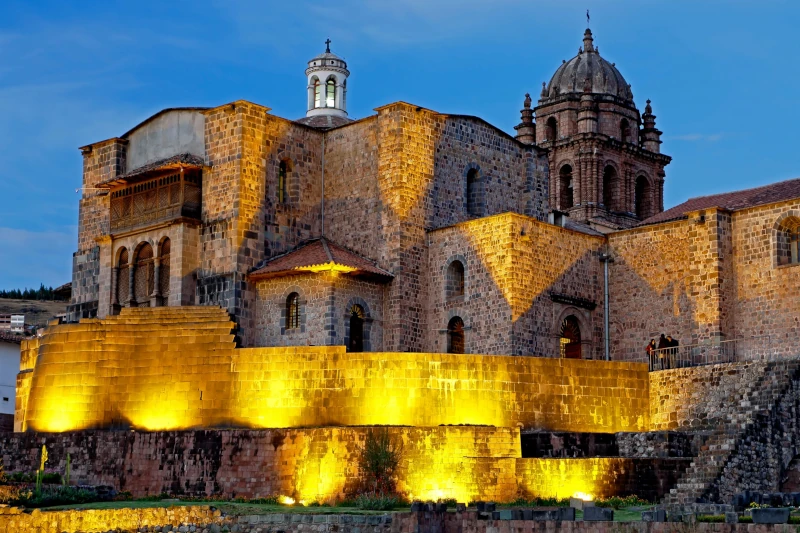
Just a short walk from the Plaza de Armas lies Qorikancha, once the most important temple in the Inca Empire. Dedicated to Inti, the Sun God, Qorikancha was a dazzling display of wealth and devotion. The temple’s walls were said to have been lined with gold sheets. While much of its grandeur was stripped away during the Spanish conquest, the remaining stonework showcases the Incas’ advanced masonry skills. Additionally today, the site houses the Convent of Santo Domingo, a testament to the cultural fusion that defines Cusco.

plaza de armas of cusco

Inca Engineering Mastery at Qorikancha

The intricate stonework of Qorikancha exemplifies the Inca’s architectural prowess. The precision with which the stones fit together, without mortar, demonstrates a mastery that continues to captivate architects and historians alike. This technique, known as ashlar masonry, allowed the structure to withstand earthquakes, showcasing the Incas’ advanced understanding of engineering.

Cultural Fusion at the Convent of Santo Domingo

The transition from a sacred Inca site to a colonial convent is a poignant example of cultural fusion. The Convent of Santo Domingo, built atop the original temple foundations, embodies the blending of two worlds. Inside, visitors can observe how the Spanish incorporated Inca walls into the convent’s design, a physical representation of the merging cultures.

Astronomical Importance of Qorikancha

Qorikancha was not only a religious center but also a repository of the Inca’s astronomical knowledge. Also the temple’s design was aligned with celestial events, reinforcing its role in the spiritual and scientific life of the Inca Empire. Moreover rituals conducted here were integral to maintaining the cosmic order, emphasizing the temple’s significance in Inca culture.

The Famous 12-Angled Stone

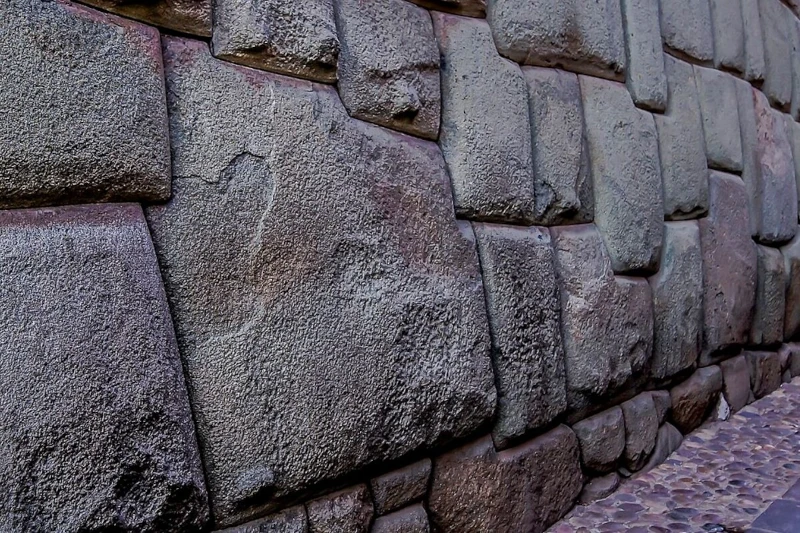
A short stroll from the Plaza de Armas, the 12-Angled Stone is a marvel of Inca engineering. This stone, part of a wall on Hatunrumiyoc Street, is renowned for its perfect fit among surrounding stones, despite having 12 distinct angles. It is a popular stop for visitors, symbolizing the ingenuity and skill of Inca stonemasons.

plaza de armas of cusco

Masterful Stonework and Symbolism

The 12-Angled Stone is a testament to the precision and skill of Inca stonemasons. Each angle of the stone was meticulously crafted to fit seamlessly with its neighbors, without the use of mortar. Moreover this technique not only demonstrates aesthetic beauty but also structural integrity, allowing the walls to withstand natural forces.

A Symbol of Andean Ingenuity

Beyond its engineering marvel, the 12-Angled Stone holds symbolic significance. It represents the Inca’s deep understanding of their environment and their ability to manipulate natural materials. The stone is a reminder of the sophistication of Inca society, where art and engineering were intertwined.

A Must-See Landmark in Cusco

Today, the 12-Angled Stone is a must-see for visitors exploring Cusco’s historic streets. It has become an iconic symbol of the city’s Inca heritage, drawing tourists who marvel at its craftsmanship. The stone’s location on Hatunrumiyoc Street makes it easily accessible, encouraging visitors to explore more of Cusco’s architectural wonders.

Sacsayhuamán: Fortress Above the City

plaza de armas of cusco

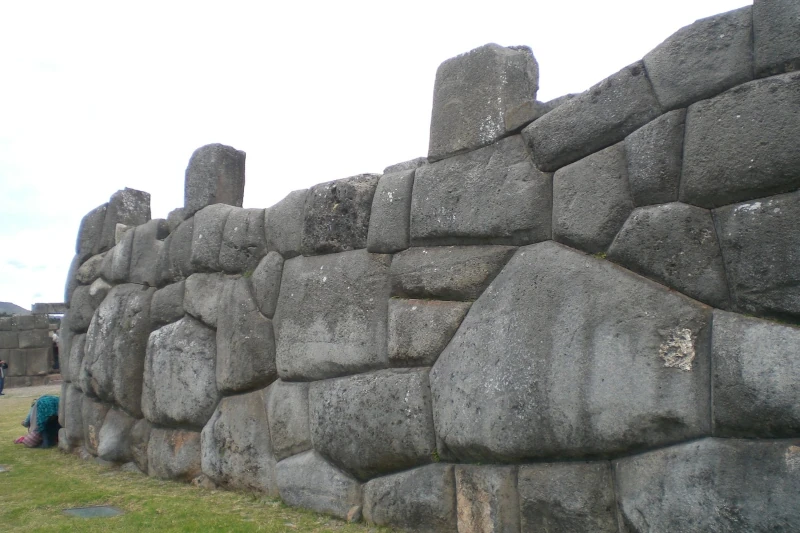
Perched on a hill overlooking Cusco, Sacsayhuamán is a sprawling complex that once served as a military fortress and ceremonial center. The site offers panoramic views of the city and the surrounding valley. Its massive stone walls, some weighing over 100 tons, are a testament to the Incas’ engineering capabilities.

Colossal Inca Architecture at Sacsayhuamán

The colossal stones of Sacsayhuamán showcase the grandeur of Inca architecture. The fortress’s zigzagging walls, constructed with immense precision, demonstrate the Incas’ ability to move and fit massive stones without the aid of modern technology. This architectural feat continues to intrigue scholars and engineers worldwide.

Cultural Importance and Inti Raymi Festival

Sacsayhuamán is not only a marvel of construction but also a site of great cultural importance. It hosts the annual Inti Raymi festival, a celebration of the winter solstice and Inca heritage, attracting thousands of participants and visitors each year. The festival is a vibrant display of traditional music, dance, and rituals, connecting modern-day Peruvians with their ancestral roots.

A Strategic Military Stronghold

Historically, Sacsayhuamán served as a strategic military outpost, offering protection to the Inca capital. Its elevated position provided a vantage point for monitoring potential threats, highlighting its role in the defense of Cusco. The fortress’s design reflects the Incas’ strategic acumen and their ability to integrate military and ceremonial functions.

San Pedro Market: A Glimpse of Daily Life

For a glimpse into everyday life in Cusco, a visit to San Pedro Market is essential. Located a short distance from the Plaza de Armas, this bustling market is a sensory feast. From fresh produce and traditional textiles to local delicacies, San Pedro offers an authentic taste of Cusco’s vibrant culture.

Traditional Flavors and Local Cuisine

The market is an ideal place to sample traditional Peruvian cuisine. Visitors can enjoy a variety of local foods, such as ceviche, empanadas, and the famous coca tea, which is said to help with altitude sickness. The diverse range of flavors and ingredients reflects Peru’s rich culinary heritage, offering a delicious journey through the country’s gastronomic traditions.

Handicrafts and Local Artisans

San Pedro Market is also a treasure trove of local handicrafts. Stalls brim with colorful textiles, handcrafted jewelry, and unique souvenirs, all made by local artisans. These crafts provide a glimpse into the region’s artistic traditions, allowing visitors to take home a piece of Cusco’s cultural legacy.

A Community Hub Full of Life

Beyond its commercial activity, San Pedro Market serves as a community hub where locals gather to shop, socialize, and share stories. The market’s vibrant atmosphere fosters a sense of community, making it a perfect place for visitors to connect with Cusco’s people and culture. Walking through the stalls offers an immersive experience into the daily life of the city.

The Cathedral of Cusco: Colonial Masterpiece

Dominating the northeastern side of the Plaza de Armas, the Cathedral of Cusco is a stunning example of colonial architecture. Constructed on the foundations of an Inca palace, the cathedral is a symbol of the Spanish conquest. Inside, visitors can admire an impressive collection of colonial art, including a depiction of the Last Supper featuring a distinctly Andean twist guinea pig as the main dish.

Artistic and Architectural Brilliance

plaza de armas of cusco

The Cathedral of Cusco is a masterpiece of colonial architecture, combining Gothic, Baroque, and Renaissance styles. Its imposing façade and intricate carvings reflect the artistic influences brought by the Spanish during the colonial period. The cathedral’s construction, which spanned nearly a century, showcases the dedication and craftsmanship of its builders.

The Cusco School of Art

The cathedral is home to the Cusco School of Art, a fusion of European and indigenous styles. This artistic movement reflects the blending of cultures that has shaped Cusco’s identity. Paintings and sculptures within the cathedral bear unique Andean features, offering a rich visual narrative of cultural synthesis.

A Living Spiritual Center

As a place of worship, the Cathedral of Cusco holds spiritual significance for the local community. It is a center for religious ceremonies and celebrations, playing a vital role in the spiritual life of Cusco’s residents. Visitors can participate in services or simply admire the serene beauty of the cathedral’s interior.

Exploring the Streets Around the Plaza

Strolling through the cobbled streets surrounding the Plaza de Armas, visitors will encounter a tapestry of history and culture. From charming colonial buildings to hidden Inca walls, every corner of Cusco tells a story. The blend of ancient and modern is palpable, offering a unique glimpse into the city’s enduring legacy.

Colonial Architecture and Timeless Charm

The streets around Plaza de Armas are lined with colonial-era architecture, each building telling its own story of Cusco’s past. Balconied houses and ornate churches reflect the city’s colonial charm, inviting visitors to explore further. Walking these streets is like stepping back in time, with every corner offering a new discovery.

Hidden Inca Walls and Ancient Foundations

Amidst the colonial structures, remnants of Inca walls can be found, whispering stories of a bygone era. These ancient stones, seamlessly integrated into newer buildings, serve as a reminder of the city’s Inca heritage. Exploring these hidden corners reveals the layers of history that make Cusco unique.

A Blend of History and Modern Life

Today, Cusco’s streets are alive with the vibrancy of modern life. Cafés, boutiques, and art galleries add a contemporary flair to the historic center. The lively atmosphere, combined with the rich historical backdrop, creates a dynamic and engaging environment for exploration.

Conclusion: A Journey Through Cusco’s Living History

Cusco’s Plaza de Armas is more than just a square; it is a portal to the rich history and vibrant culture of the Andes. Whether you’re exploring ancient ruins, marveling at colonial architecture, or immersing yourself in local life at San Pedro Market, the top  attractions around Plaza de Armas offer a journey through time. As you walk these storied streets, you’ll discover the layers of history and tradition that make Cusco a truly remarkable destination.

Through this exploration, we gain a deeper appreciation for the ingenuity and resilience of Andean civilizations, and the enduring impact they have on modern-day Peru. Whether you’re a seasoned traveler or a curious newcomer, the Plaza de Armas of Cusco beckons with its rich tapestry of stories waiting to be