Inti Raymi, known as the “Festival of the Sun,” is a vibrant celebration deeply embedded in the cultural fabric of the Andean civilizations. This annual event, marked by colorful parades and traditional performances, offers a glimpse into the rich heritage of the Inca Empire. Its revival in modern times reflects the enduring spirit of indigenous cultures and their traditions. Join us as we explore the history and significance of Inti Raymi.
Inti Raymi is more than just a historical reenactment; it is a living tradition that continues to evolve and adapt to contemporary times. The festival not only honors the sun, a central figure in Andean spirituality. Also serves as a bridge connecting different generations and communities. With each year, Inti Raymi reinvigorates the cultural identity of the Andean people.
Inti Raymi was originally established by the ninth Inca emperor, Pachacuti, in the 15th century to honor Inti, the Sun God. This grand festival was celebrated at the winter solstice, marking the return of the sun. It was a time to express gratitude for the harvest and seek blessings for the upcoming planting season.
The origins of Inti Raymi are deeply intertwined with the agricultural calendar. Let highland the Incas’ profound connection to nature and their dependency on the sun for sustenance. The festival was a manifestation of the Incas’ sophisticated understanding of astronomy and their reverence for celestial phenomena. It was not merely a celebration but a ritualistic plea for prosperity.

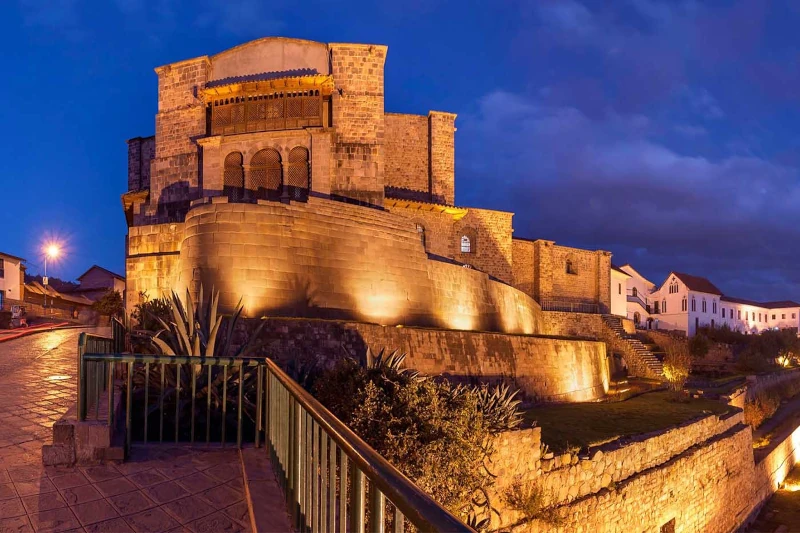
The festival was held in Cusco, the heart of the Inca Empire, and involved elaborate ceremonies, sacrifices, and feasting. The most significant rituals took place at the Qoricancha, the Temple of the Sun, and the nearby Sacsayhuaman fortress. Therefore these sacred sites played a crucial role in the religious and political life of the Incas.
Historically, Inti Raymi was more than a religious observance. It was a unifying force that brought together the diverse peoples of the Inca Empire. The festival served as a political statement, reinforcing the emperor’s divine right to rule By participating in these ceremonies. The people of the empire affirmed their allegiance to the emperor and the gods.
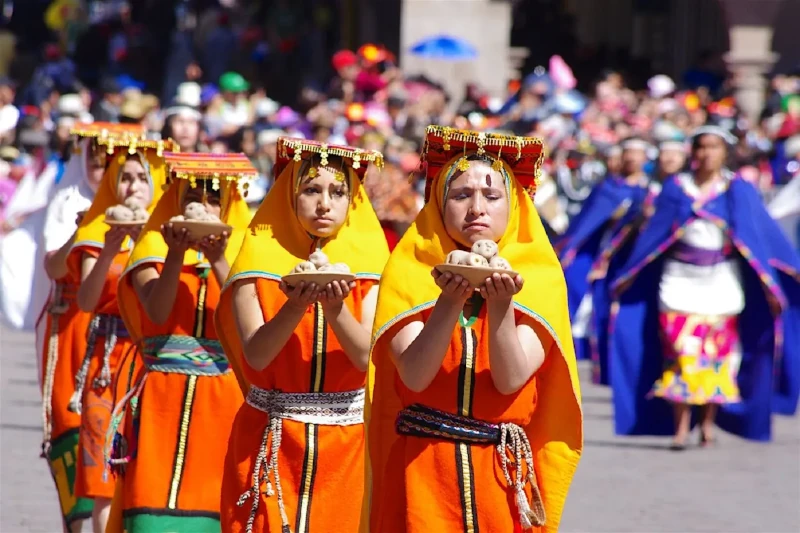
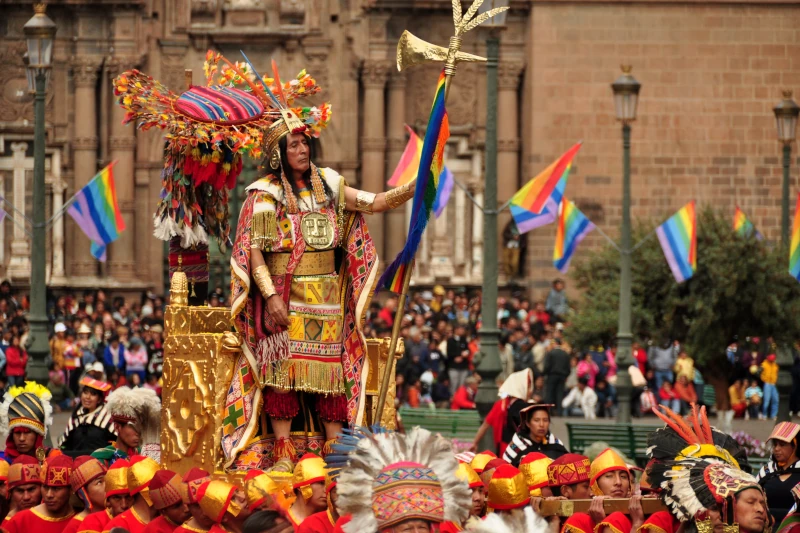
In its original form, Inti Raymi was a nine-day event filled with music, dance, and rituals. Thousands of people, including nobles, priests, and commoners, participated in the celebrations. Additionally the emperor himself played a central role, offering sacrifices to Inti and leading processions across the city.
The festival’s elaborate rituals included the sacrifice of llamas, considered sacred animals. They were used to appease the gods and ensure the fertility of the land. The dances and music performed during Inti Raymi were not only entertainment but also a form of storytelling. Preserve the myths and legends of the Inca civilization. Each element of the celebration was imbued with symbolism, reflecting the complex cosmology.

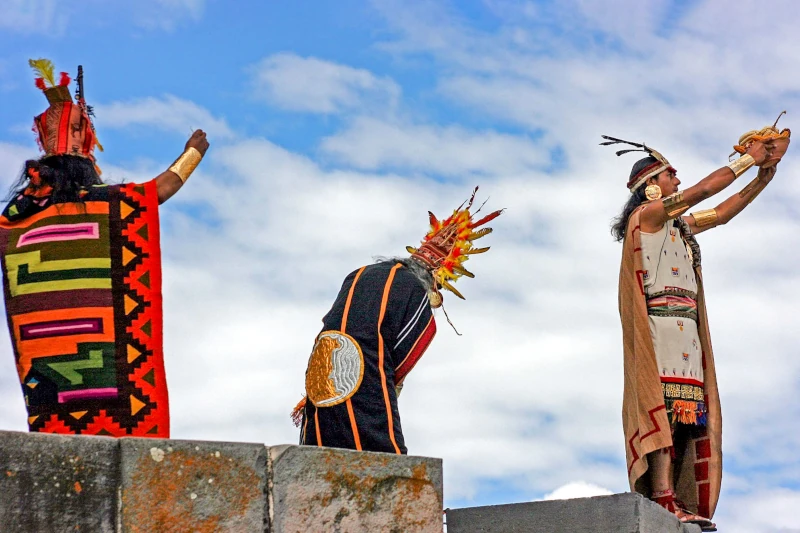
In the mid-20th century, Inti Raymi was revived as a cultural celebration, showcasing the traditions of the Inca Empire. Today, it is held annually on June 24th in Cusco, drawing thousands of visitors from around the world. The festival begins at the Qoricancha and continues to the Plaza de Armas. This where actors reenact the ancient ceremonies. The celebration culminates at Sacsayhuaman, where the main event takes place.
The modern revival of Inti Raymi is a testament to the resilience of indigenous cultures in the face of colonization and globalization. By reviving this ancient festival, the people of Cusco and beyond are reclaiming their heritage and asserting their identity on the global stage. The festival has become an important platform for cultural exchange. Some people together people from different backgrounds to celebrate.
While Cusco remains the epicenter of Inti Raymi celebrations, the festival has gained popularity in other Andean regions, including parts of Ecuador and Bolivia. Also in Ecuador, Inti Raymi is celebrated with equal fervor, reflecting the shared cultural heritage of the Andean peoples.
The festival’s spread beyond Peru highlights the interconnectedness of Andean cultures, which share similar traditions and beliefs despite geographical boundaries. In Bolivia, for instance, Inti Raymi is celebrated with unique local variations. In fact shows the diversity within the Andean cultural landscape. This expansion of the festival underscores the universal appeal of its themes, resonating with indigenous people.
Inti Raymi offers a unique opportunity for travelers to immerse themselves in the cultural richness of the Andes. In Cusco, visitors can explore historical landmarks like the Qoricancha and Sacsayhuaman. In effect The Plaza de Armas comes alive with music and dance, providing a captivating backdrop for the celebrations.
Beyond the festivities, visitors can engage with local artisans, participate in traditional workshops. Moreover taste authentic Andean cuisine, making the experience even more enriching. The festival is an ideal occasion to delve deeper into the customs and traditions of the region. By participating in Inti Raymi, travelers not only witness a spectacular event. Also contributes to the preservation of a cultural heritage that has survived through centuries.

The revival of Inti Raymi has played a significant role in preserving and promoting Andean cultural heritage. It serves as a reminder of the resilience and creativity of indigenous communities, who continue to celebrate their traditions despite historical challenges.
The festival has become a powerful tool for cultural preservation, inspiring younger generations to learn about and take pride in their heritage. By keeping the traditions of Inti Raymi alive, the Andean people are ensuring that their cultural legacy is passed down. While resisting the homogenizing pressures of modernity. This cultural revival has fostered a renewed sense of identity and empowerment among indigenous communities. This encourages them to celebrate and share their unique history with the world.
Through Inti Raymi, modern audiences can connect with the legacy of the Inca Empire, gaining a deeper understanding of its cultural and spiritual significance. The festival bridges the past and present, fostering appreciation for the rich tapestry of Andean civilizations.
By participating in or witnessing Inti Raymi, individuals gain insight into the values and beliefs. The festival serves as a living museum. Also where history is brought to life through performance and ritual, making it accessible and engaging for people of all ages. This connection between past and present not only enriches our understanding of history but also encourages us to reflect on our own cultural identities and the importance of preserving them.

Inti Raymi stands as a testament to the enduring spirit of the Andean peoples and their cultural heritage. Its celebration offers a window into the past, while inspiring a renewed appreciation for the diversity and vibrancy of indigenous traditions. Whether you’re a traveler, a scholar, or a cultural enthusiast. Inti Raymi invites you to experience the magic of the Andes and the legacy of the Inca Empire before your journey to Machu Picchu.
As the sun rises over the majestic mountains of Cusco. The echoes of ancient chants and the vibrant colors of traditional attire remind us of the enduring power of cultural revival. Inti Raymi is not just a festival; it is a celebration of life, history, and the unbreakable bond.
Embark on a journey to the heart of the Andes and witness the splendor of Inti Raymi a cultural revival that continues to captivate and inspire. In effect the festival is a reminder that, despite the passage of time and the changes brought by modernization, the essence of the Andean spirit endures, shining brightly like the sun god Inti, whom it honors. Through Inti Raymi, the Andean people continue to share their story with the world, ensuring that their rich cultural heritage is celebrated and cherished for generations to come.