Quechua was the administrative language of the Inca Empire, which stretched across much of western South America. It was more than just a means of communication; it was a tool for governance and integration. By unifying diverse ethnic groups under a single linguistic banner, the Inca Empire facilitated trade, governance, and cultural exchange. This lingua franca enabled the efficient administration of the vast empire, with Cusco as its bustling heart.
The Quechua language has been passed down through generations, encompassing a treasure trove of cultural and historical narratives. Elders have traditionally played a crucial role in this transmission, sharing stories and songs. The chance to hear histories that encapsulate the values and beliefs of the Andean people. This rich oral tradition ensures that Quechua remains a living language, though its preservation now requires active revitalization efforts.

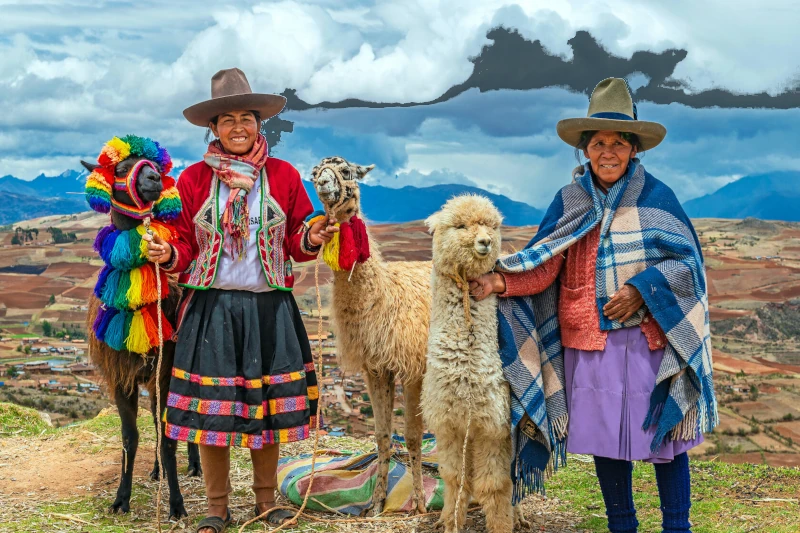
The Quechua language is not just a mode of communication but a repository of cultural knowledge. It carries within its words the traditions, stories, and wisdom of the Andean people. Many Quechua basic words describe the natural landscape, reflecting a deep connection with the environment. This linguistic connection to nature is a testament to the Andean people’s sustainable living practices and their respect for the natural world.
Despite its deep roots, the Quechua language faces numerous challenges. Globalization and urbanization have led to the dominance of Spanish, particularly in urban areas. As cities expand and modernize, the cultural fabric that supports indigenous languages like Quechua becomes frayed. Younger generations often prioritize learning Spanish and English. View them as languages of opportunity and modernity, which can lead to a decline in Quechua fluency.
The lack of institutional support and educational resources also hampers the transmission of Quechua. Many schools in Peru do not offer Quechua as part of their curriculum, creating a gap in linguistic and cultural education. The scarcity of resources such as textbooks and qualified teachers further exacerbates this issue. Its difficult for those interested in learning the language to find proper guidance and support.
This educational shortfall has resulted in a decline in the number of fluent Quechua speakers, especially among the youth. As older generations pass away, the language risks being lost without new speakers to carry it forward. The challenge now is to create an environment where Quechua is valued and taught, ensuring its survival and growth in a rapidly changing world.
In response to these challenges, a cultural renaissance is underway. The Peruvian government has recognized the importance of preserving Quechua and other indigenous languages. Policies have been implemented to promote bilingual education, ensuring that Quechua is taught alongside Spanish in schools, particularly in rural areas where the language is still widely spoken. These initiatives aim to elevate Quechua to a status equal to that of Spanish, fostering respect and pride for the language.
Universities and research institutions are also playing a crucial role. Linguistic programs focused on Quechua are being developed. In effect offering courses and degrees that delve into the language’s structure, history. Resources such as Quechua language translators and translation tools are becoming more accessible.These efforts are not only aimed at preserving the language but also at encouraging its use in professional settings.
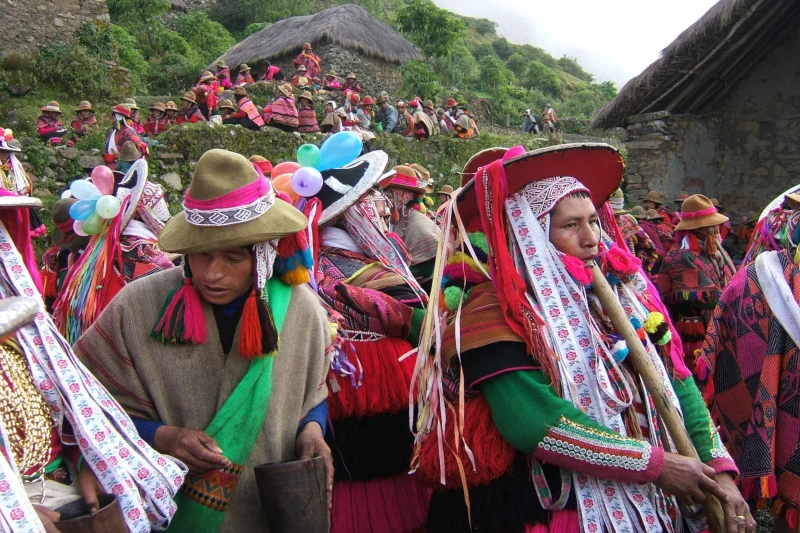
At the grassroots level, communities are taking charge of revitalization efforts. Cultural festivals celebrating Quechua traditions are becoming more common, and storytelling events are held to pass down oral histories. These events not only foster a sense of pride among Quechua speakers but also attract interest from tourists and cultural enthusiasts. It creates a vibrant cultural exchange that benefits both local communities and visitors.

Music and art are powerful tools in this revitalization movement. Quechua songs and poems are being recorded and shared widely, both within Peru and internationally. This artistic expression helps to keep the language alive and relevant in today’s world. Being able to resoonate with audiences who may not speak Quechua but can appreciate its cultural depth and beauty.
The digital age offers new avenues for language preservation. Social media platforms and digital content are used to engage younger audiences, making Quechua more accessible and appealing. Apps and online courses for learning Quechua have been developed. Provides flexible and interactive options for learners worldwide. Television and radio broadcasts in Quechua are also on the rise. Moreover offering a variety of content that normalizes its use in everyday life and encourages new speakers.
The revitalization of the Quechua language is not just about preserving the past; it’s about enriching the present and future. A flourishing Quechua language contributes to a more inclusive and diverse cultural landscape in Peru from the Inca Trails to the lost citadel of Machu Picchu. It empowers indigenous communities by giving them a stronger voice and presence in society, fostering a sense of pride and ownership in their cultural heritage.

For travel writers and the tourism industry, understanding and appreciating the Quechua language and its cultural context allows for more authentic storytelling. It provides a deeper insight into the soul of the Andean regions, offering readers a richer narrative that goes beyond the typical travelogue. Tourists who engage with Quechua culture can experience a more meaningful connection with the places they visit.
Looking to the future, the revitalization efforts for the Quechua language hold promise for its continued growth and integration into modern society. By fostering environments where Quechua is spoken and celebrated, Peruvians are ensuring that this ancient language remains a vital part of their cultural identity. The ongoing renaissance is a testament to the resilience and determination of those committed to preserving their linguistic heritage.
The efforts to revitalize the Quechua language in Peru are a testament to the resilience and cultural pride of its people. By embracing both traditional and modern methods, Peruvians are ensuring that this ancient language continues to thrive and play a vital role in their cultural identity.
As we witness this cultural renaissance, it becomes clear that the Quechua language is more than just words; it is a living heritage that connects past, present, and future. For those who seek to understand the true essence of the Andean regions, learning about Quechua is an essential journey. The language stands as a symbol of Peru’s rich history and its commitment to cultural diversity and inclusion.