+51 980 852 691 +51 930 842 108 [ES] info@andeantrekkingperu.com Calle Marques 231 Int. 115. CC Sotomayor.
Contact Us

Sacsayhuamán: A UNESCO World Heritage Site

Sacsayhuamán, often referred to as the “house of the sun,” is an archaeological marvel that once formed the head of the puma-shaped city of Cusco. Built during the reign of the great Inca ruler Pachacuti, this site played a pivotal role in the ceremonial and military life of the Incas. It was here that the Incas demonstrated their strength, both in spirit and in stone.

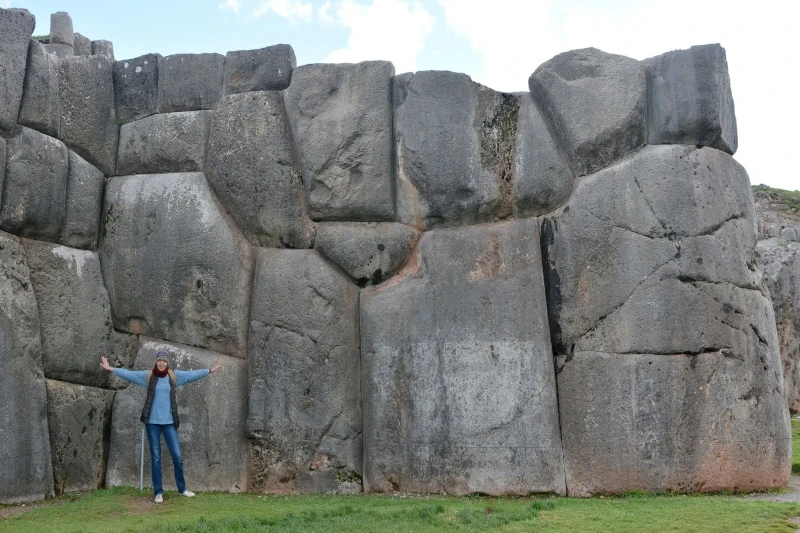
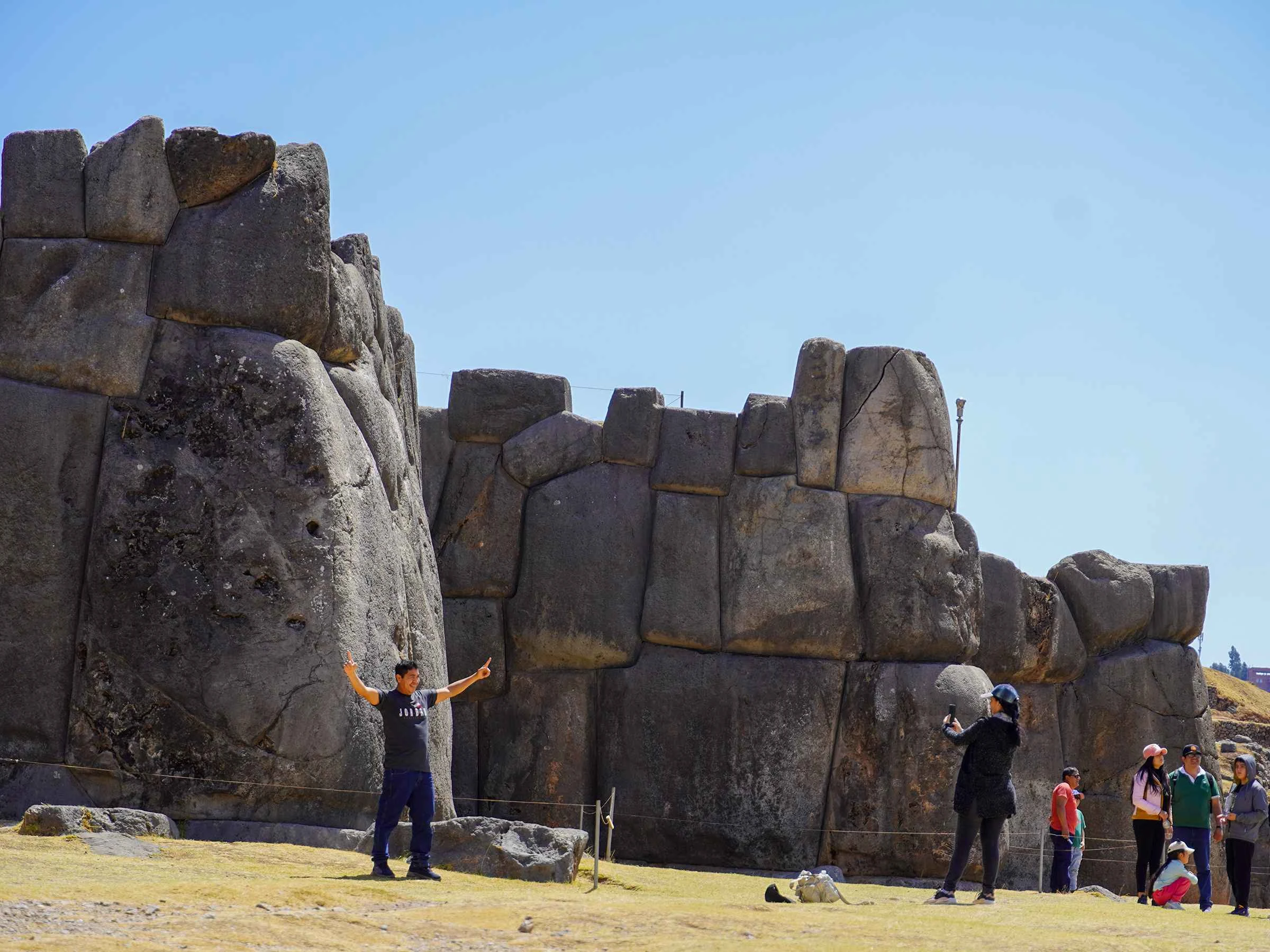
The architecture of Sacsayhuamán is nothing short of extraordinary. The site is renowned for its massive stone walls, constructed with precision that defies modern engineering. The largest stones, some weighing over 100 tons, fit together so perfectly that even a blade of grass cannot pass between them. This feat of engineering has sparked much debate and admiration, leading many to ponder the methods used by the Incas.

The Architecture of Sacsayhuamán

sacsayhuamán

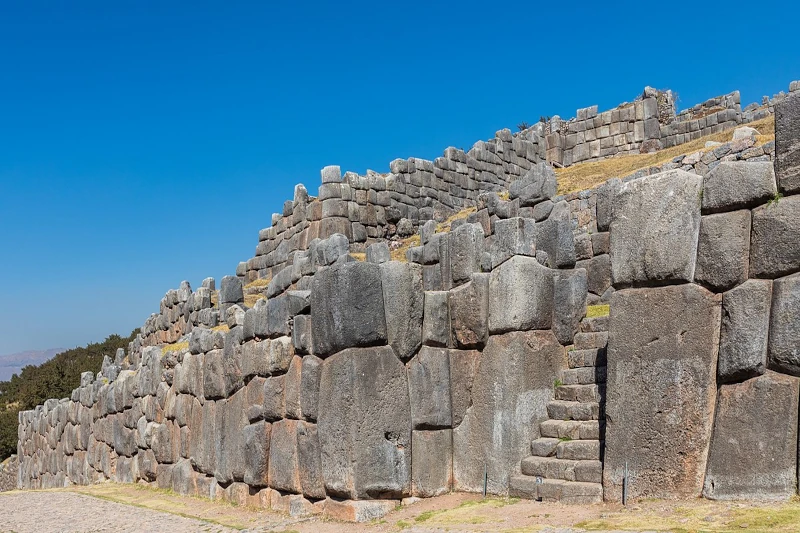
The stones were carved and shaped with such exactitude that they interlocked without the use of mortar. This technique, known as ashlar masonry, was not only a testament to their craftsmanship but also a method that provided resilience against earthquakes. The walls’ zigzag pattern added to the structural integrity, absorbing seismic shocks and ensuring the site’s longevity.

The mystery of how these colossal stones were transported and fitted together without the use of mortar remains unsolved. Some theories suggest that the Incas employed a combination of ramps, levers, and a vast workforce, while others propose more esoteric explanations. Regardless of the method, the precision and skill demonstrated at Sacsayhuamán continue to inspire awe and curiosity.

Many scholars believe that the stones were transported from nearby quarries using log rollers and earthen ramps. However, the exact logistics, including the coordination of thousands of workers, remains a topic of speculation. Additionally, some alternative theories propose the use of forgotten technologies or even extraterrestrial assistance, reflecting the site’s enigmatic allure.

Sacsayhuamán: A Ceremonial Center

Sacsayhuamán was not just a military fortress; it also served as a ceremonial center. Its spiritual significance is evident in its alignment with celestial events, suggesting that it was a hub for astronomical observations. The layout of the site, resembling the head of a puma, highlights the Incas’ reverence for nature.

The site’s design reflects the Incas’ cosmological views, with its three terraces symbolizing the three realms of the Inca world: the sky, the earth, and the underworld. This spiritual symbolism underscores the holistic nature of Inca society, where religion, science, and governance were seamlessly intertwined.

Sacsayhuamán is not merely an architectural wonder; it is a cultural cornerstone. The site is the focal point for Inti Raymi, the Festival of the Sun. This annual celebration, held on the winter solstice, honors Inti, the sun god, and symbolizes the Inca’s deep connection with nature and the cosmos. During Inti Raymi, Cusco comes alive with vibrant parades, traditional music, and dances, drawing visitors from across the globe.

Inti Raymi: The Festival of the Sun

Inti Raymi is a vibrant re-enactment of the ancient rituals once performed by the Incas. The festival begins with a grand procession from the Qorikancha temple and culminates at Sacsayhuamán. Participants don traditional costumes, and the air is filled with the sound of traditional Andean music. This celebration not only honors the sun god but also reinforces the cultural identity of the Andean people.

The festival serves as a bridge between past and present, allowing contemporary Peruvians to connect with their heritage. It is a vivid reminder of the Inca’s sophisticated understanding of astronomy and their reliance on the sun for agricultural cycles. Visitors to Inti Raymi witness a unique blend of history and modernity, where ancient practices are kept alive through passionate cultural expression.

The Grand Procession from Qorikancha to Sacsayhuamán

Qorikancha, the golden temple dedicated to Inti, once stood as the most sacred site in Cusco. It was adorned with gold panels and precious stones, reflecting the Incas’ devotion to their deities. The proximity of Sacsayhuamán to Qorikancha underscores its importance within the religious and cultural landscape of the Incas. Together, these sites formed the spiritual heart of the Inca Empire.

Qorikancha was more than just a religious site; it was a center of learning and political power. The temple’s strategic location in Cusco symbolized the Incas’ dominion and their connection to the divine. The relationship between Qorikancha and Sacsayhuamán highlights the integration of spiritual and temporal authority in Inca society. This is where rulers were seen as both political leaders and divine intermediaries.

The Inca civilization was deeply connected to the cosmos, as evidenced by the astronomical alignments of their structures. Sacsayhuamán and Qorikancha were designed to align with solstices and equinoxes. Also allows the Incas’ sophisticated understanding of celestial movements. This cosmic connection was integral to their agricultural practices and religious ceremonies.

The alignment of these sites with celestial events indicates the Incas’ advanced knowledge of astronomy. They viewed the heavens as a map for earthly events, using the stars to guide their agricultural calendar and religious rituals. This profound connection to the cosmos is a testament to the Inca’s intellectual achievements and their harmonious relationship with the natural world.

Location and Accessibility from Cusco

sacsayhuamán

For modern-day explorers, a city tour of Cusco and Sacsayhuamán offers a glimpse into the grandeur of the Inca Empire. As a UNESCO World Heritage Site, Sacsayhuamán is meticulously preserved, allowing visitors to walk the same paths once trodden by Inca warriors and priests.

  • Location: Sacsayhuamán is located approximately 2 kilometers from the city center of Cusco.
  • Elevation: The site sits at an elevation of 3,701 meters (12,142 feet) above sea level, offering stunning views of the surrounding landscape.
  • Visiting Hours: Sacsayhuamán is open to visitors daily, with guided tours available to enhance the experience.
  • Best Time to Visit: The dry season, from May to October, is ideal for visiting, with clear skies and pleasant temperatures.

Guided Tours

Visitors can explore the site’s massive terraces, each offering unique insights into Inca engineering. Walking tours often include stops at key points of interest, such as the Rodadero and the Throne of the Inca. These tours provide context to the site’s historical significance and help visitors appreciate the ingenuity of its construction.

To fully appreciate Sacsayhuamán, engaging with a knowledgeable guide is highly recommended. Guides provide valuable insights into the site’s history, architecture, and cultural significance. They help visitors understand the nuances of Inca society and the symbolic meanings.

Interactive exhibits and cultural workshops are also available to enrich the visitor experience. These activities offer hands-on opportunities to learn about traditional Inca crafts, such as weaving and pottery, providing a deeper connection to the culture. By engaging with these educational resources, visitors gain a more comprehensive understanding of the Inca legacy.

sacsayhuamán

The Role of UNESCO in Protecting Sacsayhuamán

As a UNESCO World Heritage Site, Sacsayhuamán benefits from international recognition and support for its preservation. This designation ensures that conservation efforts are prioritized, protecting the site from environmental and human threats. UNESCO’s involvement also promotes sustainable tourism, balancing visitor access with the preservation of this invaluable cultural treasure.

UNESCO’s guidelines help maintain the site’s integrity, ensuring that future generations can continue to explore and learn from its history. The organization’s support fosters collaboration between local authorities, archaeologists, and conservationists, creating a unified approach to preserving Sacsayhuamán’s rich heritage.

The legacy of Sacsayhuamán extends beyond its physical structure. It represents the ingenuity and resilience of the Inca civilization, serving as a symbol of cultural identity for the people of Peru. The site continues to inspire generations, reminding us of the rich tapestry of history woven by the Andean civilizations.

Conservation Efforts

Efforts to preserve Sacsayhuamán are crucial to maintaining its historical and cultural integrity. Conservation initiatives and archaeological research play a vital role in protecting this heritage site, ensuring that its stories and mysteries endure for future generations to explore and appreciate.

Local and international partnerships are key to the ongoing preservation efforts. Collaborative projects focus on protecting the site from environmental degradation and managing the impact of tourism. These initiatives aim to balance accessibility with preservation, ensuring that Sacsayhuamán remains a vibrant and sustainable cultural landmark.

Educational programs are essential for fostering a deeper appreciation of Sacsayhuamán’s significance. Schools and community organizations often collaborate to offer workshops and seminars that highlight the Inca’s achievements. These programs not only educate young people but also instill a sense of pride and responsibility towards preserving their heritage.

Community Involvement in Heritage Preservation

Community engagement is vital for the site’s sustainability. Involving local communities in preservation efforts ensures that the benefits of tourism are shared and that cultural traditions are maintained. By empowering local residents, conservation initiatives can create a sense of ownership and stewardship over Sacsayhuamán’s future.

Sacsayhuamán’s legacy transcends borders, inspiring people worldwide with its architectural brilliance and cultural depth. The site serves as a symbol of human creativity and resilience, reminding us of the potential for innovation and harmony with nature. As more people learn about Sacsayhuamán, it continues to foster cross-cultural understanding and appreciation.

Through documentaries, exhibitions, and digital media, Sacsayhuamán reaches a global audience, spreading awareness of its historical significance. These platforms enable people from diverse backgrounds to connect with the Inca legacy, promoting a shared appreciation for cultural heritage and the importance of preserving it for future generations.

sacsayhuamán

The Enduring Legacy of Sacsayhuamán

Sacsayhuamán is a place where history, culture, and mystery converge. Its towering walls and sacred grounds invite us to ponder the achievements of the Incas and the enduring allure of their legacy. As a UNESCO World Heritage Site, Sacsayhuamán stands as a testament to the enduring spirit of the Inca civilization and a beacon of cultural heritage for all to cherish.

Whether you are a seasoned traveler, a cultural enthusiast, or a curious mind, a visit to Sacsayhuamán promises a journey through time, a journey that illuminates the past and inspires the present. The site continues to captivate and educate, offering invaluable insights into a civilization that mastered both the earthly and celestial realms.