+51 980 852 691 +51 930 842 108 [ES] info@andeantrekkingperu.com Calle Marques 231 Int. 115. CC Sotomayor.
Contact Us

Discovering the Flavors of Peruvian Cuisine

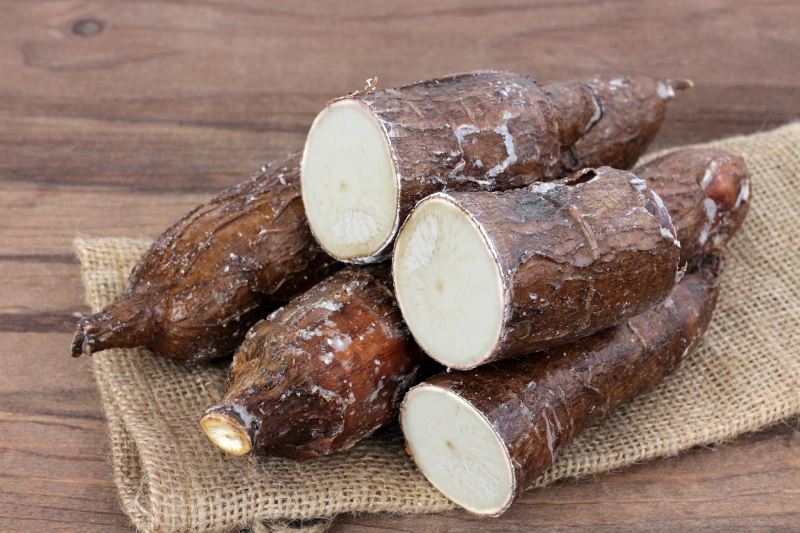
Peruvian cuisine reflects a fusion of indigenous traditions with influences from Spanish, African, Chinese, and Japanese cultures. This blending of flavors and techniques has created a unique culinary identity that is celebrated worldwide. The culinary journey begins with the Incas, who were masters of agriculture. They cultivated a variety of crops such as potatoes, maize, and quinoa, which remain staples in the Peruvian diet today.

Inca Roots and Agricultural Innovation

The Incas laid the groundwork for much of what we now recognize as Peruvian cuisine. They developed advanced agricultural techniques, such as terrace farming, to maximize crop yields in the challenging Andean terrain. This innovation allowed them to cultivate a diverse range of crops, many of which are still fundamental to Peruvian cooking. Their reverence for the land is evident in how they used every part of their harvest, a practice that continues in modern Peruvian kitchens.

Spanish and African Influence on Peruvian Food

The arrival of the Spanish in the 16th century marked a significant turning point in Peruvian culinary history. Spanish colonists introduced new ingredients such as citrus fruits, wheat, and livestock, which were seamlessly integrated into existing culinary traditions. Similarly, African slaves brought to Peru contributed to the cuisine with their cooking techniques and flavors, creating dishes like tacu tacu and anticuchos. These influences are a testament to the adaptability and creativity of Peruvian cooks.

Chinese and Japanese Immigration: A New Culinary Chapter

In the 19th century, Chinese and Japanese immigrants arrived in Peru, bringing with them their culinary traditions and ingredients. This Asian influence is perhaps most evident in dishes like lomo saltado, a stir-fry that combines Peruvian ingredients with soy sauce and other Asian seasonings. Japanese techniques have also enhanced the art of ceviche-making, with a focus on precision and delicate flavors. The result is a cuisine that continues to evolve, embracing new influences while honoring its roots.

The Sacred Valley: Heart of Andean Agriculture

The Sacred Valley of the inkas, nestled in the Andes near Cusco, is a region rich in history and agriculture. It is renowned for its fertile lands, which produce an abundance of ingredients that form the backbone of traditional Andean dishes. The valley’s microclimates allow for the cultivation of diverse crops, including over 3,000 varieties of potatoes, each with its unique flavor and texture.

Agricultural Abundance in the Sacred Valley

The Sacred Valley’s unique geography and climate make it an agricultural paradise. Here, the rich soil and varying altitudes support a wide range of crops, from the high-altitude quinoa fields to the lush corn plantations in the valley. This abundance ensures that local markets are brimming with fresh produce, which is central to Andean cuisine. Farmers in the region practice sustainable agriculture, preserving traditional methods that have been passed down through generations.

Traditional Andean Cooking Methods

Traditional Andean cuisine is deeply rooted in the land and its cycles. The people of the Sacred Valley have a profound connection to their environment, which is reflected in their cooking methods. They make use of natural ingredients to create hearty and flavorful dishes that nourish both body and soul. Cooking techniques such as pachamanca, which involves baking food underground using hot stones, are still practiced today, offering a glimpse into the past.

Culinary Traditions and Festivals in the Sacred Valley

The Sacred Valley is not just a center for agriculture but a hub of cultural heritage. The region is home to numerous festivals and celebrations, where food plays a central role. During these events, traditional dishes are prepared and shared among the community, reinforcing social bonds and cultural identity. The preservation of these culinary customs is vital to maintaining the rich tapestry of Andean culture.

Iconic Ingredients in Peruvian Cuisine

One cannot discuss Peruvian food without mentioning its iconic ingredients. Among these, the Peruvian guinea pig, or “cuy,” holds a special place. While it might surprise some, it has been a traditional source of protein in the Andes for centuries. It is often roasted or fried and served during special occasions, embodying the cultural significance of communal feasting.

Potatoes: The Heart of the Andean Diet

Peruvian Cuisine

Potatoes are the cornerstone of Peruvian cuisine, with thousands of varieties cultivated across the country. From the starchy papa amarilla to the waxy papa huayro, each type offers distinct textures and flavors that enhance a wide array of dishes. Potatoes are used in everything from soups and stews to the popular causa, a layered potato dish. Their versatility and nutritional value make them a beloved staple in Peruvian kitchens.

Ají Peppers: The Soul of Peruvian Flavor

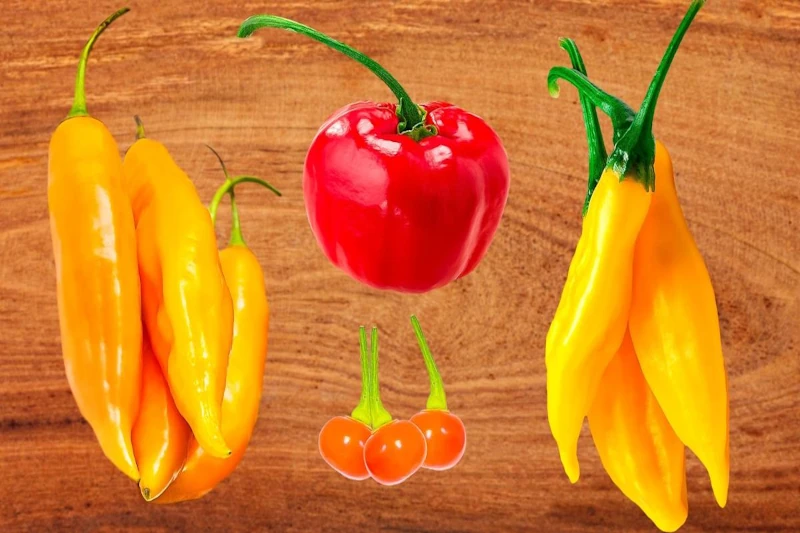
Ají peppers are integral to the flavor profile of Peruvian cuisine, offering varying degrees of heat and sweetness. The ají amarillo, with its bright yellow color and fruity undertones, is perhaps the most iconic, used in sauces and stews to add depth and complexity. Ají peppers are not just about heat; they are about enhancing and balancing flavors, creating a dynamic taste experience in every bite.

Corn and Quinoa: Andean Staples

Peruvian Cuisine

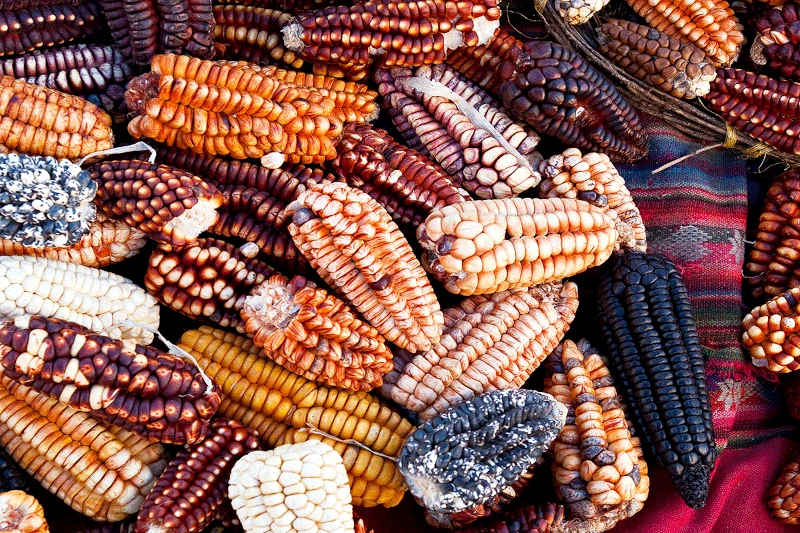
Corn, or “choclo,” is another staple of the Peruvian diet, used in a variety of dishes from tamales to chicha, a traditional fermented drink. Quinoa, known as the “mother grain,” was revered by the Incas for its nutritional value and versatility. Today, it is a popular ingredient in both traditional and contemporary Peruvian recipes.

Coastal Influence and the Richness of Seafood


Peru’s extensive coastline provides an abundance of seafood, which is central to many coastal dishes. Fish and shellfish are often featured in ceviche, a dish that highlights the freshness of the sea. The rich marine biodiversity ensures a variety of flavors and textures, from tender octopus to succulent shrimp, each playing a role in the culinary mosaic.

Must-Try Peruvian Dishes

Peruvian cuisine offers a plethora of dishes that captivate the palate. Here are some must-try dishes that showcase the diversity and depth of Peruvian flavors:

Ceviche

Peruvian Cuisine

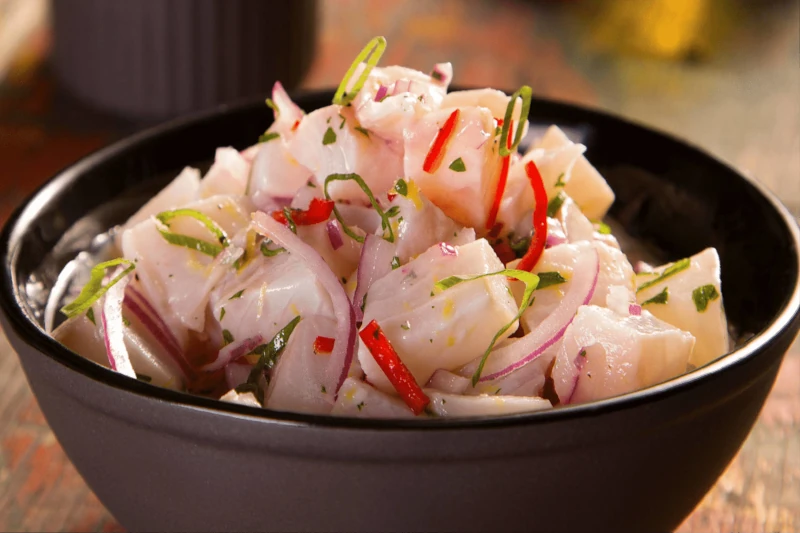
Ceviche is perhaps the most famous Peruvian dish, celebrated for its fresh, zesty flavors. This seafood dish typically features raw fish marinated in lime juice, spiced with ají peppers, and garnished with onions and cilantro. The acidity of the lime “cooks” the fish, creating a refreshing and tangy taste that is perfect for warm days by the coast.

Lomo Saltado

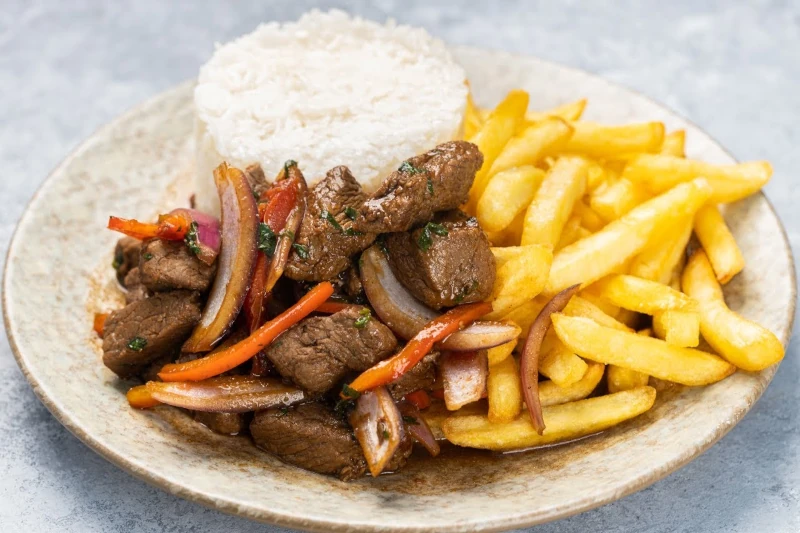
Lomo saltado is a testament to the fusion of Peruvian and Asian influences. This stir-fry dish combines strips of beef with onions, tomatoes, and ají peppers, all tossed in soy sauce and served with rice and fried potatoes. It is a perfect example of how Peruvian cuisine embraces diverse culinary traditions to create something uniquely delicious.

Pachamanca

Pachamanca is a traditional Andean dish that celebrates the earth’s bounty. It involves marinating meats with herbs and spices, then cooking them underground with hot stones. This ancient technique imparts a smoky flavor, making it a truly memorable culinary experience.

Anticuchos

Anticuchos are skewers of marinated meat, typically beef heart, that are grilled to perfection. Seasoned with a mixture of vinegar and spices, these skewers are a popular street food, offering a taste of traditional Peruvian flavors. The charred exterior and tender interior create a delightful contrast that is sure to please.

Causa

Causa is a vibrant dish that features layers of mashed potatoes seasoned with lime and ají, interspersed with fillings such as tuna, avocado, or chicken. This dish is as visually appealing as it is delicious, with its colorful presentation often garnished with olives and boiled eggs. It is a testament to the creativity and resourcefulness of Peruvian cooking.

Cusco’s Unique Culinary Scene

Cusco, once the capital of the Inca Empire, is now a culinary hub where traditional Andean dishes meet contemporary gastronomy. The city’s vibrant food scene offers a blend of old and new, with innovative chefs reimagining classic recipes using local ingredients.

Fusion of Tradition and Modern Gastronomy in Cusco

Peruvian Cuisine

Cusco’s culinary scene reflects the city’s rich cultural tapestry. Here, you’ll find everything from street food stalls serving hearty stews to upscale restaurants offering modern interpretations of ancient recipes. The use of native ingredients, such as ají amarillo and rocoto peppers, adds a distinct Peruvian heat to many dishes.

Culinary Innovation in the Andes

In Cusco, there is a seamless blend of tradition and innovation. Chefs are inspired by the past but are not afraid to experiment with new techniques and flavors. This approach has led to a culinary renaissance in the city, with eateries offering dishes that honor the region’s heritage while embracing contemporary trends. Visitors can enjoy a diverse range of culinary experiences, from rustic Andean meals to avant-garde creations.

Cusco’s Food Festivals and Culinary Celebrations

Cusco is not just a place to eat; it’s a place to celebrate food. The city hosts numerous culinary festivals and events throughout the year, showcasing the best of Peruvian cuisine. These gatherings are an opportunity for locals and visitors alike to indulge in the region’s culinary delights, learn about traditional cooking methods, and discover the latest gastronomic innovations. Such events highlight the vibrancy and diversity of Cusco’s food culture.

Simple Peruvian Recipes to Try at Home

For those who wish to bring the flavors of Peru into their kitchen, here are a few simple recipes to get you started:

Quinoa Salad

This refreshing salad combines cooked quinoa with diced avocado, mango, and cherry tomatoes, drizzled with lime juice and olive oil. It’s a vibrant dish that highlights the natural flavors of Peru’s staple ingredients.

Ají de Gallina

Ají de Gallina is a comforting chicken stew made with ají amarillo peppers, walnuts, and cheese, served over rice. This dish is a testament to the creamy, spicy flavors that define Peruvian comfort food.

Peruvian Cuisine

Classic Ceviche


For an authentic taste of Peru, try making ceviche at home. Use the freshest fish available, and marinate it in freshly squeezed lime juice with a touch of salt. Add thinly sliced red onions, chopped cilantro, and a hint of ají pepper for spice. Serve it chilled, accompanied by sweet potato slices or corn on the cob for a traditional touch.

Lomo Saltado at Home

Recreate the flavors of lomo saltado in your kitchen by sautéing strips of beef with onions, tomatoes, and ají peppers. Add a splash of soy sauce and vinegar for depth, and serve the mixture over a bed of rice with crispy potato fries. This dish is a delightful fusion of textures and flavors, guaranteed to satisfy.

A Culinary Journey Through Peru

Peruvian cuisine is a testament to the country’s rich cultural heritage and diverse natural resources. Each dish tells a story of the land and its people, offering a taste of history and innovation. Whether you’re exploring the flavors of the Sacred Valley or trying your hand at Peruvian recipes at home, the culinary journey promises to be a rewarding experience. The Peruvian cuisine will give you a glimpse of the Inca culture and Machu Picchu.

Embrace the vibrant colors, bold flavors, and rich traditions of Peruvian cuisine, and let your taste buds embark on a journey through the heart of the Andes. With each bite, you are not only savoring delicious food but also celebrating the spirit and resilience of a culture that continues to thrive in a rapidly changing world.