Machu Picchu, the ancient Inca city high in the Andes Mountains, is an amazing example of engineering and design. One of its most interesting features is the Intihuatana stone. This stone shows how advanced the Inca were in astronomy and spirituality. In this article, we will look at the purpose of the Intihuatana at Machu Picchu, explain Inca astronomy in simple terms, and show the cultural meaning of this famous landmark.
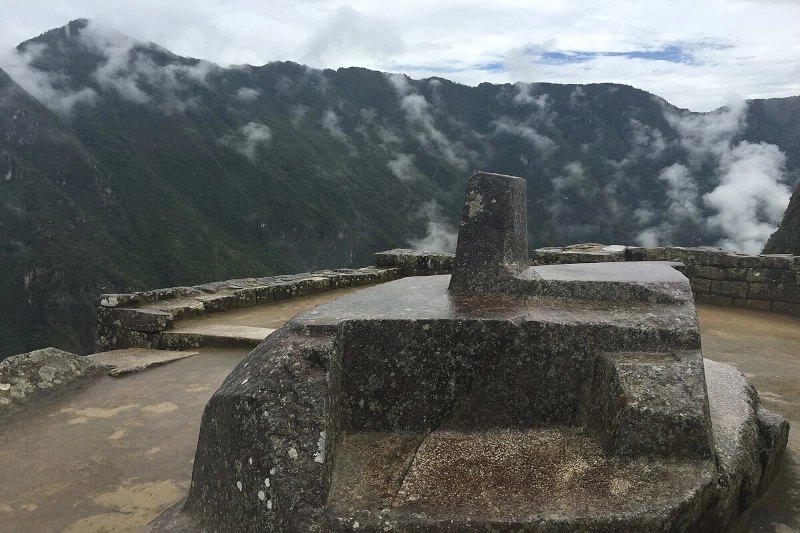
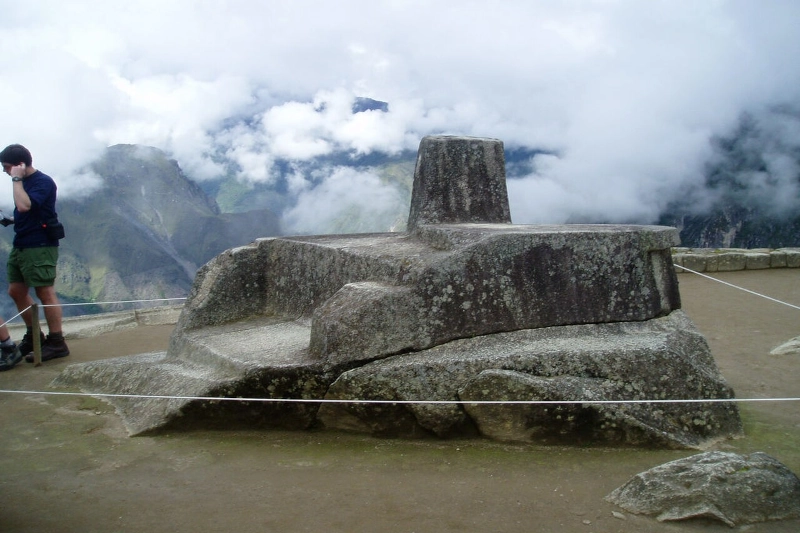
The Intihuatana stone, also called the “hitching post of the sun,” is a carved rock pillar at Machu Picchu. The Inca may have used it as a clock or calendar. The word “Intihuatana” comes from Quechua, the local language. “Inti” means sun, and “huatana” means to tie or hitch. The name reflects how the stone was used to “tie” the sun during its yearly path across the sky.

The stone also had a spiritual role. The Inca believed it could hold the sun in place to bring balance and harmony. Priests performed ceremonies at the Intihuatana to honor the sun god. These rituals connected the people with nature and the cosmos.
Today, visitors can see the Intihuatana and imagine its role in Inca life. The stone shows both scientific knowledge and deep cultural beliefs. Standing near it, you can feel the importance it held for the people who built Machu Picchu.
The main purpose of the Intihuatana stone was to mark important solar events, like solstices and equinoxes. At these times, the sun lines up perfectly with the stone, casting very little shadow. This allowed the Incas to measure time, plan farming activities, and hold religious ceremonies.
The Intihuatana also had a key role in Inca spirituality. People saw it as a sacred object that connected the earth and the sky. It served as a link to communicate with the sun god, Inti. Inca priests performed rituals at the stone to make sure the sun brought good crops and helped their society.
The stone also showed the Incas’ deep knowledge of nature. They observed the sun carefully and built the stone in the exact right position. This precision helped them understand the seasons, predict changes, and guide their daily life.
Machu Picchu itself shows the Incas’ deep knowledge of astronomy. The city’s location and building alignments match the movements of celestial bodies. This shows how important the study of the sky was in Inca culture.

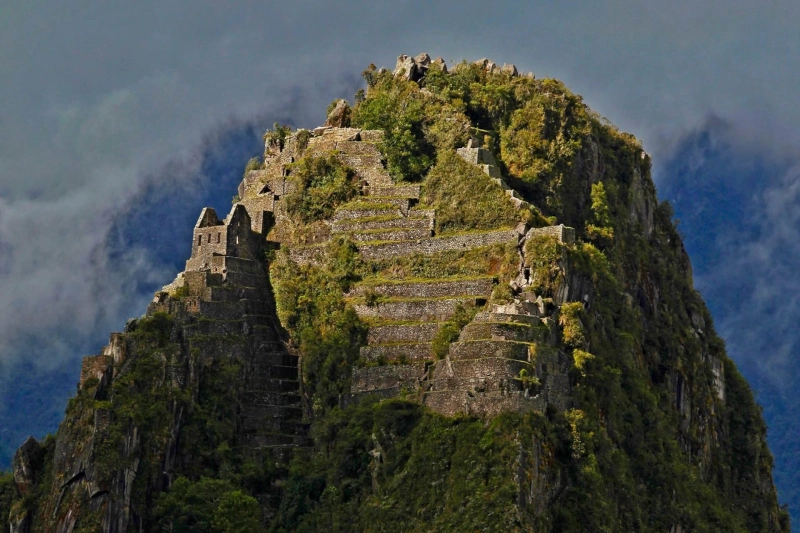
Huayna Picchu, the tall peak behind Machu Picchu, acted as a natural observatory. From the top, the Incas watched the sun, moon, and stars. They could make accurate astronomical calculations from this vantage point. The Sun Temple, inside Machu Picchu, was another key spot for sky observations. This semicircular temple has windows that line up with the sun during solstices, creating a stunning light and shadow show.
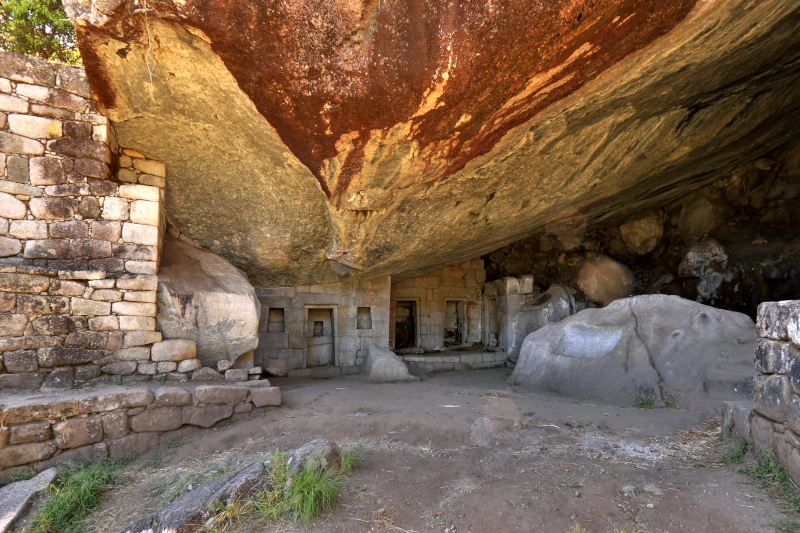
The Moon Temple sits on the slopes of Huayna Picchu. It was dedicated to the moon goddess, Mama Killa. The temple’s detailed stone carvings reveal the Incas’ skill and their respect for celestial bodies. Inca stone carvings across Machu Picchu, including those on the Intihuatana, show many astronomical symbols. These carvings give clues about the Incas’ beliefs and their advanced understanding of the universe.
Machu Picchu also served as a teaching center for the Incas. Priests and astronomers studied the stars here. They passed on knowledge about the sun, moon, and seasons to guide farming, ceremonies, and daily life. The careful placement of temples, windows, and stones made it easier to observe and record celestial events.

Machu Picchu shows the skill and creativity of the Inca civilization. Built in the 15th century during the reign of Pachacuti Inca Yupanqui, it served as a royal estate and a religious center. Its remote location, between the mountains of Peru, offered natural protection. It also gave the Incas a perfect place to observe the sun, moon, and stars. The careful planning of the city reflects their advanced knowledge of engineering, agriculture, and astronomy.
Aguas Calientes, the town at the base of Machu Picchu, is the main gateway for visitors. The town is known for its hot springs and lively local culture. Visitors start their journey here to explore the history and natural beauty of the area.
You can reach Machu Picchu by train and bus or hike the famous Inca Trail. One key stop along the journey is Ollantaytambo, an ancient town in the Sacred Valley that served as a fortress and a ceremonial center.
Taking photos at Machu Picchu requires paying attention to the landscape and light. The site has unique views and conditions that make your pictures special. Here are some tips to help you capture stunning images of this famous place.

Machu Picchu is very popular, so you must plan ahead to get tickets. You can buy tickets online through the official Machu Picchu website or via authorized travel agencies. Book early because daily visitor numbers are limited. This helps protect the site and preserve its beauty.
When planning your visit, think about the ticket type that fits your interests best. Options include standard entry to Machu Picchu, combined entry to Machu Picchu and Huayna Picchu, or the Inca Trail trek. Each choice gives a different and unique experience of this incredible place.
Visiting Machu Picchu is more than seeing ruins. It is walking through history and connecting with a culture that thrived high in the Andes. Every stone and terrace tells a story of the Inca people’s skill, knowledge, and spiritual beliefs. Planning your visit carefully allows you to experience all these aspects fully.
Remember that your visit affects the preservation of the site. Respect the rules, stay on marked paths, and avoid touching the ruins. By doing so, you help protect Machu Picchu for future generations while enjoying an unforgettable adventure.

The Intihuatana stone and the buildings at Machu Picchu show the Inca civilization’s deep understanding of astronomy. They also reveal a strong spiritual connection to the sky and the sun. Exploring these ancient wonders teaches us about a culture that honored both the heavens and the earth.
Machu Picchu leaves a lasting impression on all visitors. Scholars, travelers, and history lovers gain insight into the incredible achievements of the Inca people. Their knowledge and creativity continue to inspire and captivate people worldwide. Every visit is a chance to feel the genius of the Inca and the power of this extraordinary site.
By witnessing the Intihuatana, the terraces, and the temples, you experience the Inca legacy firsthand. The architecture, astronomy, and spiritual traditions combine to tell a story that spans centuries. Machu Picchu is not just a place to visit—it is a journey into the heart of one of history’s greatest civilizations.