+51 980 852 691 +51 930 842 108 [ES] info@andeantrekkingperu.com Calle Marques 231 Int. 115. CC Sotomayor.
Contact Us

Sacred Valley Altitude: Tips for Acclimatizing in Peru

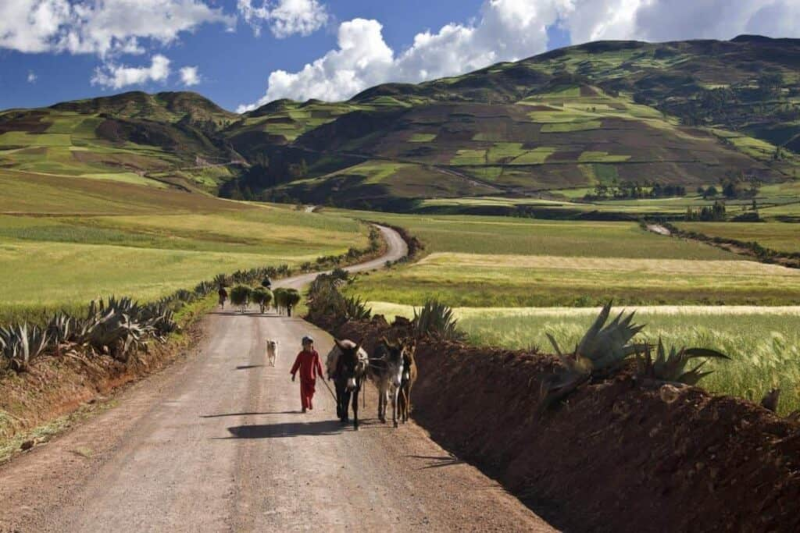
You’ve got Peru on the calendar. Amazing. You can picture the terraces, the mountains, the tiny streets in Ollantaytambo… and then it hits you: Wait, how high is this place?

That question matters, because Sacred Valley altitude is sneaky. You don’t see it. You feel it. In your breathing. In your sleep. Sometimes in that “why is this staircase rude?” moment.

Sacred Valley Altitude

Quick outline 

  • First: What altitude does to your body 
  • Next: Sacred Valley elevation by town (the numbers you’ll use).
  • Then: A simple acclimatizing game plan that actually works.
  • Finally: Remedies, red flags, and quick FAQs.

Altitude, in plain English 

Here’s the thing: higher places have lower air pressure. Each breath gives you less oxygen. So your body does extra work to get the same result.

That extra work can feel like a headache, a heavy chest on hills, or a weird tiredness. It’s not you being “out of shape.” It’s your body doing a new job in a new environment.

Cusco vs. the valley: why the first night can make or break the mood

When people talk about altitude Cusco and Sacred Valley in the same sentence, they’re pointing to one big idea: Cusco is higher.

Cusco sits at about 3,399 meters (11,152 feet). The Sacred Valley is lower overall, so many travelers sleep there first. Not because it’s effortless. Because it’s easier.

But life is messy. Flights land late. Plans change. If you end up sleeping in Cusco on night one, don’t spiral. Slow down. Hydrate. Treat it like a “light day,” not a “let’s hike a mountain” day.

Sacred Valley elevation: the cheat sheet you’ll be glad you saved

The Sacred Valley isn’t one flat number. It’s a long river valley. Elevation shifts as you move around. This is the part where you’ll think, “Ohhhh, that’s why I felt fine there and winded here.”

  • Urubamba: about 2,871 m (9,420 ft). Yes, Urubamba is lower than Cusco, and yes, you might notice right away.
  • Ollantaytambo: about 2,792 m (9,160 ft). If you’re asking how high is Ollantaytambo above sea level, this is why it’s a favorite base for acclimatizing.
  • Pisac: about 2,972 m (9,750 ft). Still high, but often comfortable if you keep your first day calm.
  • Machu Picchu: about 2,430 m (7,970 ft). Surprise: it’s lower than Cusco and most valley towns.

The “pretty, but punchy” side trips

Some famous stops climb higher than the valley towns. They’re gorgeous. They can also make you pause and stare at a view for… totally real sightseeing reasons.

Sacred Valley Altitude

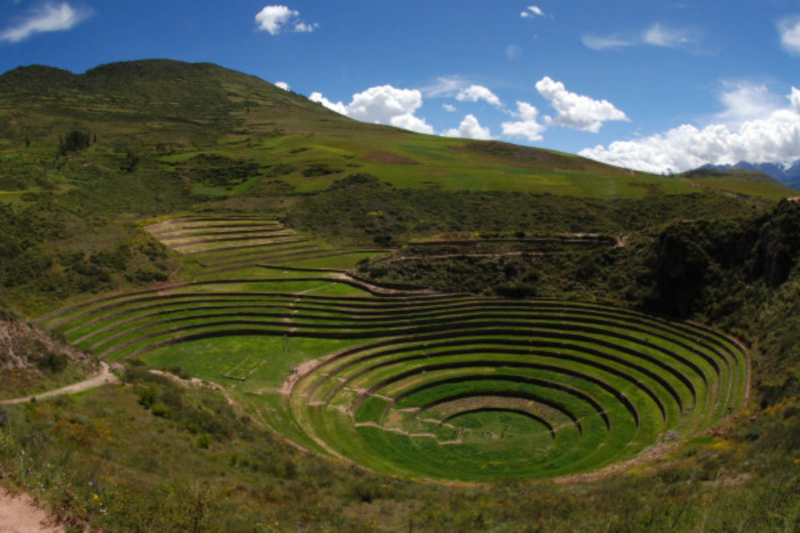
Moray is around 3,500 m (11,500 ft). Chinchero is around 3,762 m (12,342 ft). If you can, save these for after you’ve had a couple nights lower down.

Acclimatizing without overthinking it

Altitude isn’t a moral test. It’s logistics. Your goal is simple: give your body time.

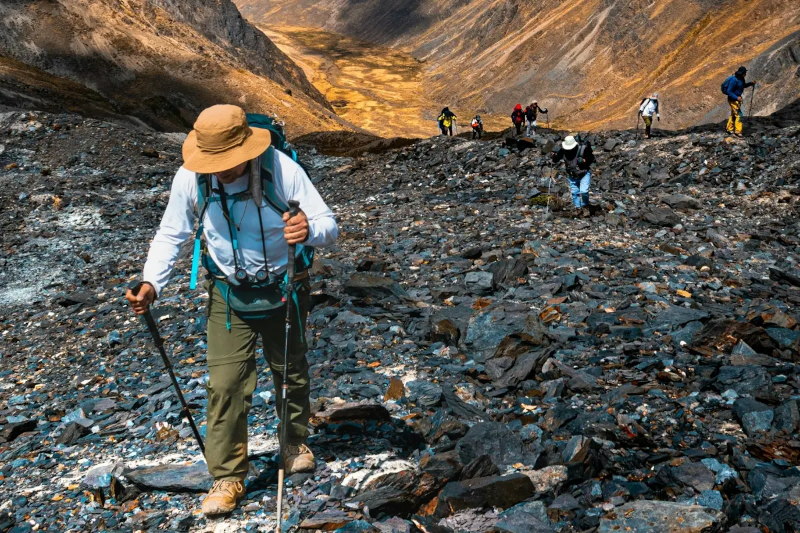
A classic rule is: sleep lower, go higher during the day. It’s like a gentle training plan. A little stress, then recovery. A little stress, then recovery.

A no-drama 5-day flow

  • Day 1: Land in Cusco, then head to Urubamba or Ollantaytambo if you can. Early dinner. Early bed.
  • Day 2: Light walking only. Markets. Cafés. Photos. Keep it easy.
  • Day 3: Add a half-day outing (Pisac or Maras). Return to your lower base to sleep.
  • Day 4: Higher stops (Moray/Chinchero) or a day in Cusco if you’re feeling good.
  • Day 5: Trek or train day. Most people feel more steady by now.

Small digression: jet lag + sun + altitude is a sneaky combo

If you flew in from the United States, you’re not only dealing with elevation. You’re also dealing with travel fatigue and dry air. And the sun at altitude can feel sharp, even when it’s cool out.

This is where “travel boring stuff” becomes a performance hack: water, sunscreen, and a bit of salt. Some people like electrolyte packets like Liquid I.V. or Nuun. Not magic. But helpful.

Soroche (altitude sickness): what’s normal, and what helps

Altitude sickness is called soroche in the Andes. It often shows up in the first 24–48 hours. Common symptoms include:

  • Headache
  • Low appetite or mild nausea
  • Feeling out of breath on stairs
  • Trouble sleeping
  • “Why am I so tired?” fatigue

Annoying? Yes. Usually dangerous? No. The fix is also annoyingly simple: slow down, drink fluids, and give it time.

Local remedies (because locals aren’t guessing)

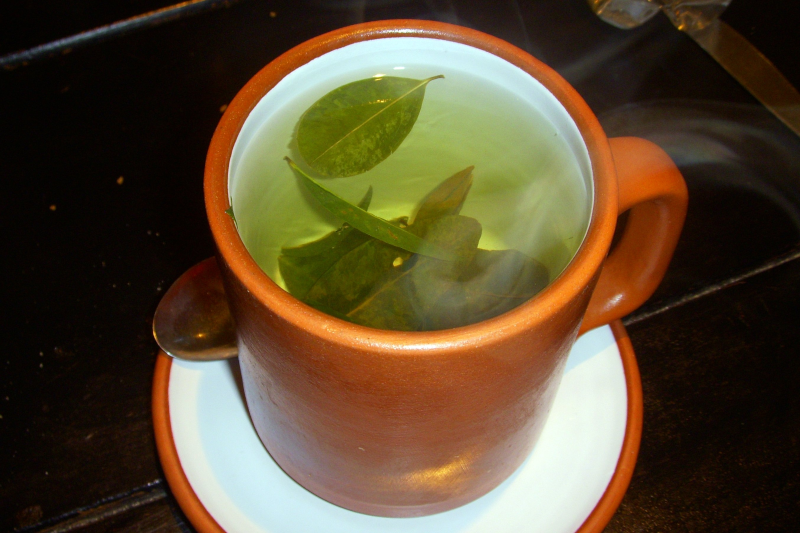
Coca tea (mate de coca) is offered in many hotels. Many travelers find it helps with mild headache and nausea. Another option is muña tea, a minty herb that can calm the stomach.

One practical note: don’t pack coca products for your flight home. Rules vary by country, and it can turn into a headache you don’t need.

Sacred Valley Altitude

Modern tools (when you need more than tea)

If you’ve had altitude issues before, ask a travel clinician about acetazolamide (often known as Diamox). It’s widely used and can help you acclimatize faster. Side effects happen (tingly fingers, soda tasting odd), but many people tolerate it well.

In Cusco and valley towns, pharmacies often sell small oxygen canisters (many travelers recognize the OxiShot brand). They won’t solve the whole problem, but they can give short relief while you rest and decide what to do next.

Red flags: when it’s not “normal altitude stuff” anymore

Mild symptoms tend to improve with rest. Severe symptoms can get worse fast. If you notice any of the following, treat it as urgent:

  • Shortness of breath while resting
  • Confusion or trouble walking straight
  • Chest tightness or a wet cough
  • Symptoms that keep getting worse

These can be signs of serious altitude illness (HAPE or HACE). The main response is simple: go to a lower altitude and get medical care.

FAQs: Sacred Valley altitude (the stuff people ask in group chats)

What is the altitude of Sacred Valley Peru?

It depends on where you are. A useful range for Sacred Valley altitude is about 2,430 m (7,970 ft) at Machu Picchu up to around 3,000 m (9,800 ft) in spots like Pisac. Most people stay in towns like Urubamba or Ollantaytambo, which sit in the high 2,700s to high 2,800s.

Is Sacred Valley good for altitude sickness?

Often, yes. Compared with Cusco, the valley is generally lower, and sleeping lower can help you feel better. Still, it’s not low altitude. You can get soroche in the Sacred Valley, especially if you arrive dehydrated or push hard on day one.

Sacred Valley Altitude

What’s the difference between Sacred Valley elevation and Cusco’s elevation?

Cusco is about 3,399 m (11,152 ft). Sacred Valley elevation varies, but many bases are roughly 500–600 meters lower. That difference can mean better sleep and fewer headaches for some travelers.

And, yes: should I worry about altitude at Machu Picchu?

It’s still high, but it’s lower than Cusco. Many people who feel rough in Cusco feel much better at Machu Picchu. If you’re doing Huayna Picchu or a big hike, though, pacing still matters.

Final thought

The Andes have a way ofhumbling everyone. One minute you’re fine, the next you’re winded carrying a small backpack. It’s normal.

Give yourself a couple of easy days, treat hydration like a real task, and build your itinerary around how your body works (not how your ego wishes it worked). Do that, and the Sacred Valley won’t feel like a struggle. It’ll feel like what it’s supposed to feel like: a once-in-a-lifetime place.