+51 980 852 691 +51 930 842 108 [ES] info@andeantrekkingperu.com Calle Marques 231 Int. 115. CC Sotomayor.
Contact Us

Maras Cusco Explore the Famous Salt Mines

Nestled in the heart of Peru’s Sacred Valley, the Maras Salt Mines are not only a stunning visual spectacle but also a testament to the ingenuity of ancient Andean civilizations. This iconic site offers a glimpse into the past and continues to be a vital part of local culture and economy. In this article, we will explore the historical, cultural, and practical aspects of visiting the Maras Salt Mines, providing you with the insights needed to fully appreciate this remarkable destination.

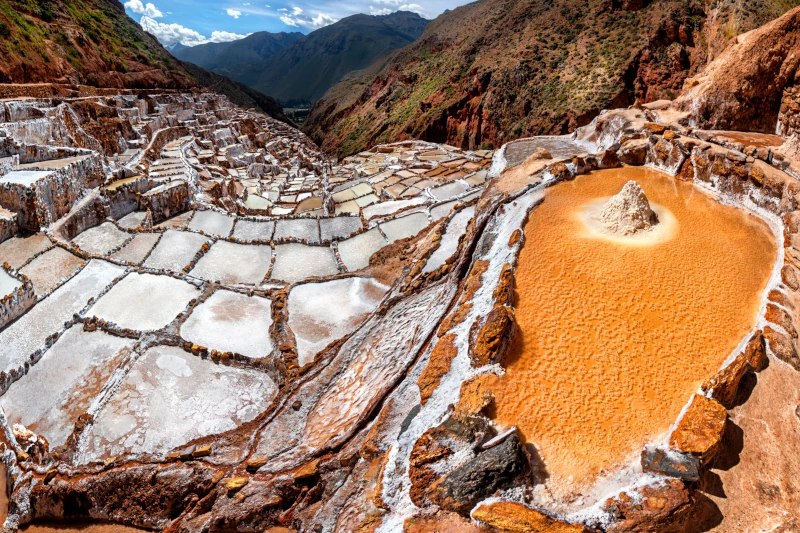
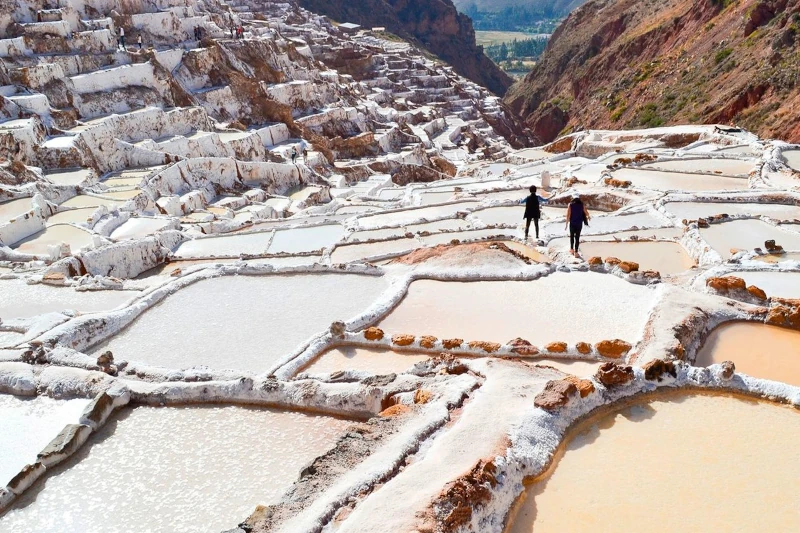
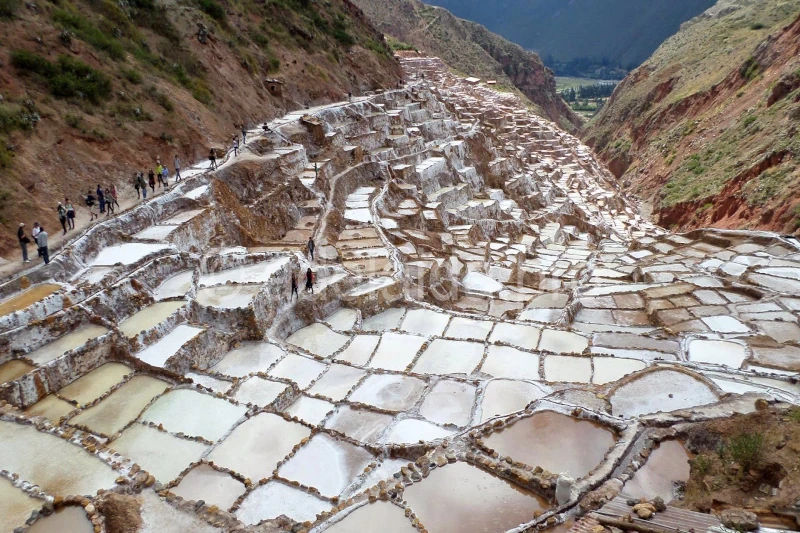
The Maras Salt Mines, also known as “Salineras de Maras,” date back to the pre-Inca era. This ancient salt extraction method has been passed down through generations, showcasing the resourcefulness of Andean peoples. The mines consist of over 3,000 terraced salt pools, which are fed by a subterranean stream of highly saline water. As the water evaporates, salt crystals form and are harvested by local families. This traditional practice not only supplies salt but also preserves a cultural heritage that is integral to the identity of the region.

Origins and Development

The origins of the Maras Salt Mines are steeped in mystery, with evidence suggesting that these salt pools have been used for hundreds of years. Early Andean civilizations recognized the value of salt, both for dietary purposes and preservation. Over time, the technique of salt extraction became more sophisticated, with each family passing down its knowledge to the next generation, ensuring the continuation of this age-old tradition.

Architectural Marvel of the Terraces

Maras Cusco

The construction of the salt terraces is an architectural marvel in itself. Each salt pool is meticulously crafted to capture the saline water, allowing it to evaporate under the sun. The geometric precision and layout of the terraces are a testament to the advanced understanding of irrigation and agriculture by the Andean cultures. These terraces not only serve a practical purpose but also create a breathtaking landscape that is both functional and beautiful.

Preservation of Cultural Heritage

The Maras Salt Mines are more than just a historical site; they are a living testament to the cultural heritage of the Andean people. The mines are operated by local families who adhere to traditional methods, ensuring that the cultural practices surrounding salt extraction remain unchanged. This preservation of heritage is crucial for maintaining the identity and livelihood of the local communities, allowing them to thrive in a modern world while staying connected to their roots.

Importance in Andean Society

Salt has always played a crucial role in Andean society. It is not only a staple in the diet but also a symbol of prosperity and trade. The salt from Maras has historically been exchanged for goods across the region, highlighting its economic significance. Moreover, the salt pools are believed to hold spiritual value, with some locals considering them to be a gift from Pachamama, or Mother Earth.

Economic Significance

Historically, salt was a valuable commodity, often referred to as “white gold.” In the Andean region, Maras salt became a crucial trade item, facilitating exchanges between different communities. This trade network contributed to the economic stability of the region, allowing for the flow of goods and culture. Even today, the sale of Maras salt contributes significantly to the local economy, supporting families who depend on the mines for their livelihood.

In addition to its economic importance, salt holds cultural and spiritual significance for the Andean people. The salt pools are considered sacred, with some believing that they are a gift from Pachamama. This spiritual connection fosters a sense of respect and responsibility towards the land and its resources, encouraging sustainable practices that have been passed down through generations.

Culinary Uses and Health Benefits

Maras salt is renowned for its unique flavor and mineral composition, making it a sought-after ingredient in culinary circles. Its purity and natural harvesting methods ensure a high-quality product that enhances the taste of dishes. Beyond its culinary uses, Maras salt is believed to have health benefits, including detoxifying properties and the ability to replenish essential minerals in the body. These attributes make it a valuable resource for both dietary and therapeutic purposes.

Planning Your Visit to Maras Salt Mines

Maras Cusco

Visiting the Maras Salt Mines is a must for anyone traveling to the Sacred Valley. To make the most of your experience, it’s important to plan accordingly. Here are some tips to ensure a memorable visit:

When to Visit

The best time to visit the Maras Salt Mines is during the dry season, which runs from May to October. During this period, the weather is more predictable, and the salt pools are at their most picturesque. However, be prepared for crowds, as this is also the peak tourist season.

Dry Season Benefits

Visiting during the dry season offers several advantages. The clear skies and moderate temperatures provide perfect conditions for exploring the mines and capturing stunning photographs. Additionally, the low humidity during this time ensures that the salt crystals are at their finest, enhancing the visual appeal of the terraces.

Considerations for the Wet Season

While the dry season is ideal, visiting during the wet season (November to April) has its perks. The landscape is lush and green, offering a different perspective of the Sacred Valley. However, travelers should be prepared for unpredictable weather, including rain and cooler temperatures. It’s advisable to check the forecast and plan activities accordingly.

Special Events and Festivals

Planning your visit around local events and festivals can enhance your experience. The Andean region is known for its vibrant cultural celebrations, which often feature traditional music, dance, and food. Attending a festival provides insight into the rich cultural traditions of the area and offers a unique opportunity to interact with locals.

What to Pack

When preparing for your trip, consider the following packing list:

  • Comfortable walking shoes: The terrain can be uneven and slippery, so sturdy footwear is essential.
  • Sun protection: The high altitude and reflective salt can intensify sun exposure, so bring sunscreen, sunglasses, and a hat.
  • Layers: The weather in the Sacred Valley can vary, so dress in layers to stay comfortable.
  • Reusable water bottle: Staying hydrated is crucial, especially given the altitude.

Essential Gear for Exploration

In addition to the basics, consider packing a small backpack for carrying essentials like snacks, a camera, and a guidebook. A lightweight rain jacket or poncho is also recommended, especially if you plan to visit during the wet season.

Health and Safety Considerations

Altitude sickness can affect travelers visiting high-altitude regions like the Sacred Valley. To prevent symptoms, acclimate slowly, stay hydrated, and avoid strenuous activities upon arrival. It’s also wise to carry a small first-aid kit with essentials like band-aids, antiseptic wipes, and any personal medications.

Cultural Sensitivity and Etiquette

When visiting the Maras Salt Mines and interacting with local communities, it’s important to be respectful of cultural norms. Dress modestly, ask for permission before taking photos of people, and be mindful of local customs. Learning a few basic phrases in Quechua or Spanish can also enhance your interactions and show appreciation for the local culture.

Getting There

The Maras Salt Mines are located about 40 kilometers from Cusco. You can reach them by taking a bus or taxi from Cusco to the town of Maras, followed by a short hike or guided tour to the salt mines. Alternatively, many tour operators offer day trips that include transportation and a guided experience.

Several transportation options are available for reaching the Maras Salt Mines. Public buses are a budget-friendly option, providing a chance to travel alongside locals. Taxis offer more convenience and flexibility, especially for travelers with limited time. For those seeking a hassle-free experience, booking a guided tour with transportation included is a popular choice.

Guided Tours and Experiences

Maras Cusco,

Guided tours offer valuable insights into the history and significance of the Maras Salt Mines. Knowledgeable guides can provide context and stories that enhance your understanding of the site. Some tours also include visits to nearby attractions like Moray and Chincheros, allowing you to maximize your time in the Sacred Valley of the inkas.

For independent travelers, exploring the Maras Salt Mines on your own can be a rewarding experience. The hike from the town of Maras to the salt mines is scenic and offers a chance to appreciate the natural beauty of the area. Be sure to bring a map or GPS device to navigate the trails and ensure you don’t miss any key points of interest.

The Experience at Maras Salt Mines

Upon arriving at the Maras Salt Mines, you’ll be greeted by a breathtaking panorama of terraced salt pools cascading down the mountainside. The sight of sunlight glinting off the white salt crystals is truly mesmerizing. As you explore the area, you’ll have the opportunity to learn about the salt extraction process from local workers who still use traditional methods.

The Visual Spectacle

The Maras Salt Mines offer a visual spectacle that captivates visitors from the moment they arrive. The terraces, with their geometric precision, create a striking contrast against the rugged Andean landscape. The interplay of light and shadow on the salt crystals adds to the allure, making it a photographer’s paradise.

Capturing the Perfect Shot

Photography enthusiasts will find endless opportunities to capture the beauty of the salt mines. Early morning or late afternoon light provides the best conditions for photography, as the warm hues enhance the texture and color of the salt pools. Remember to respect the local community by being discreet and seeking permission when photographing individuals.

Beyond photography, the Maras Salt Mines inspire creativity in various forms. Artists, writers, and musicians often find inspiration in the unique landscape and cultural richness of the area. Consider bringing a sketchpad, journal, or musical instrument to document your impressions and experiences during your visit.

Learning the Salt Extraction Process

Understanding the traditional salt extraction process is a highlight of visiting the Maras Salt Mines. Local workers are often willing to share their knowledge and demonstrate the techniques used to harvest salt. This hands-on experience provides a deeper appreciation for the labor-intensive process and the skill required to produce high-quality salt.

The process begins with channeling the saline water into the terraces, where it is left to evaporate under the sun. Once the water has evaporated, the remaining salt is carefully harvested by hand. This laborious method reflects the dedication and expertise of the local workers, who take pride in preserving their ancestral practices.

Challenges and Innovations

While traditional methods are still prevalent, some innovations have been introduced to improve efficiency and sustainability. These include improved irrigation systems and tools that reduce manual labor. Despite these advancements, the focus remains on maintaining the authenticity and cultural significance of the salt extraction process.

Educational Opportunities

For those interested in a more in-depth understanding, educational workshops and demonstrations are available. These programs offer a comprehensive overview of the history, techniques, and cultural importance of the Maras Salt Mines. Participating in such activities enhances the visitor experience and supports local education initiatives.

Interacting with Local Communities

Maras Cusco

Visiting the Maras Salt Mines also provides a chance to engage with the local community. Many families rely on the salt mines for their livelihood, and purchasing salt products directly from them supports their way of life. Additionally, you’ll find a variety of artisanal goods and souvenirs crafted by local artisans, offering a glimpse into the rich cultural traditions of the area.

Purchasing salt and other products directly from local families is a meaningful way to support the community. This direct trade ensures that the profits remain within the community, contributing to the economic stability and development of the region.

Artisanal Crafts and Souvenirs

In addition to salt, visitors can explore a wide range of artisanal crafts and souvenirs. These include textiles, pottery, and jewelry, each reflecting the unique cultural heritage of the Andean people. By choosing locally made products, visitors not only acquire a unique memento but also support the preservation of traditional craftsmanship.

Cultural Exchange and Understanding

Interacting with local communities offers a valuable opportunity for cultural exchange and understanding. Engaging in conversations, sharing stories, and participating in community activities fosters mutual respect and appreciation. This exchange enriches the travel experience and creates lasting connections between visitors and locals.

Understanding the Benefits of Salt

Beyond its culinary uses, salt from Maras is believed to have numerous health benefits. Rich in minerals, it is often used in therapeutic treatments, such as salt baths and scrubs. These practices are rooted in Andean tradition and highlight the holistic approach to health and well-being that is characteristic of the region.

Mineral-Rich Composition

Maras salt is prized for its mineral-rich composition, which includes essential elements like calcium, magnesium, and potassium. These minerals contribute to the salt’s distinctive flavor and are believed to offer health benefits, such as supporting bone health and improving hydration.

The therapeutic use of Maras salt extends beyond dietary consumption. Salt baths, scrubs, and inhalation therapies are popular methods for harnessing its healing properties. These practices are deeply rooted in Andean tradition, emphasizing a holistic approach to health that balances mind, body, and spirit.

Incorporating Salt into Wellness Routines

Visitors interested in wellness can explore various ways to incorporate Maras salt into their routines. From culinary applications to spa treatments, the versatility of Maras salt allows for creative and beneficial uses. Engaging with local practitioners and learning about traditional methods can provide inspiration for incorporating these practices into daily life.

Beyond Maras: Exploring the Sacred Valley

While the Maras Salt Mines are a highlight, the Sacred Valley offers much more to discover. Consider extending your visit to explore these nearby attractions:

Moray: The Agricultural Laboratory

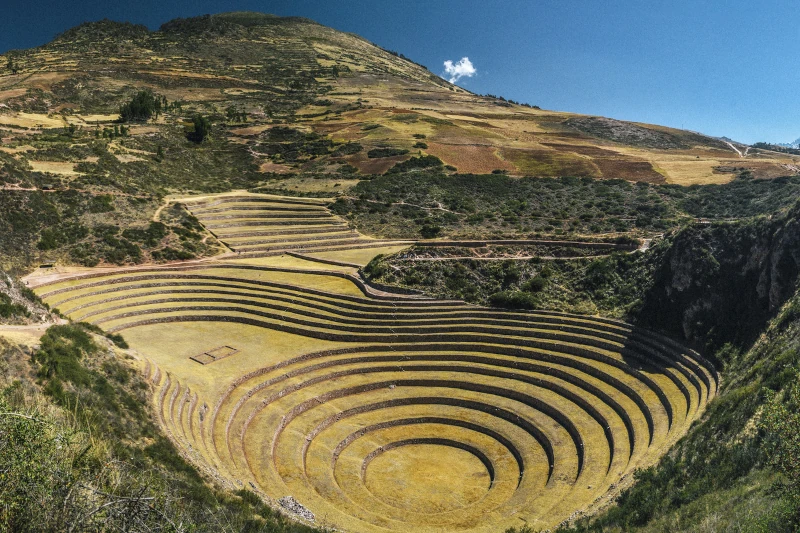
Just a short distance from Maras, Moray Cusco is an archaeological site featuring a series of concentric terraces. These terraces are believed to have been used by the Incas as an agricultural laboratory, where they experimented with different crops and microclimates. The site offers a fascinating insight into the advanced agricultural practices of the Incas.

History and Purpose

Moray’s terraces are a testament to the ingenuity of the Inca civilization. The site’s unique design creates varying microclimates, allowing for agricultural experimentation. This innovation enabled the Incas to cultivate a diverse range of crops and adapt to changing environmental conditions.

The concentric terraces of Moray are an architectural marvel, designed to optimize sunlight and drainage. Each terrace experiences a different temperature, creating ideal conditions for experimenting with various crops. This design reflects the Incas’ deep understanding of their environment and their ability to manipulate it for agricultural purposes.

Modern-Day Relevance

Today, Moray continues to inspire agricultural research and innovation. Scientists and agronomists study the site to learn about ancient techniques that can inform modern sustainable practices. Visiting Moray provides a glimpse into the past while highlighting its relevance to contemporary agricultural challenges.

Chincheros: The Weaving Village

Another nearby gem is Chincheros, a traditional Andean village renowned for its vibrant textiles. Here, you can witness the intricate process of weaving and dyeing, which has been preserved by local artisans. A visit to Chincheros provides a deeper understanding of Andean culture and the importance of textiles in their society.

Chincheros is known for its rich weaving traditions, which have been passed down through generations. Local artisans use traditional techniques, including natural dyes and hand-loomed fabrics, to create vibrant textiles that reflect the cultural heritage of the Andes.

Cultural Significance of Textiles

Textiles hold significant cultural importance in Andean society, serving as a means of communication and storytelling. Each pattern and color has symbolic meaning, representing aspects of Andean cosmology, history, and identity. Understanding these symbols provides insight into the values and beliefs of the Andean people.

Visitors to Chincheros have the opportunity to engage with local artisans, learning about the weaving process and the cultural significance of textiles. Participating in workshops or demonstrations allows for hands-on experience, fostering a deeper appreciation for the skill and artistry involved in traditional Andean weaving.

Conclusion

The Maras Salt Mines are a captivating destination that offers both a window into the past and a vibrant cultural experience. By visiting this remarkable site, you not only witness the ingenuity of ancient Andean civilizations but also support the preservation of their cultural heritage. As you explore the salt mines and the surrounding Sacred Valley, you’ll come away with a deeper appreciation for the rich tapestry of history and culture that defines this unique region.

Whether you’re a seasoned traveler or a first-time visitor, the Maras Salt Mines are sure to leave a lasting impression. So pack your bags, prepare for adventure, and immerse yourself in the wonders of the Sacred Valley. With its stunning landscapes, cultural richness, and historical significance, this region promises an unforgettable journey into the heart of the Andes.