Peru is a land of stunning landscapes and rich cultural history, making it a top destination for hiking enthusiasts. Whether you’re an avid trekker or a casual hiker, Peru offers adventures that cater to all levels of experience. From the famous Inca Trail to lesser-known paths that reveal the country’s hidden gems, Peru’s hiking trails offer a unique way to experience its diverse ecosystems and ancient ruins.
The Inca Trail is one of the most renowned hiking routes in the world. In effect is known for its breathtaking views and historical significance, the trail attracts thousands of adventurers each year. It spans approximately 26 miles and takes you through the heart of the Andes Mountains. Along the way, you’ll pass through cloud forests, alpine tundra, and ancient Incan ruins before reaching the awe-inspiring Machu Picchu.
The Journey Through History on the Inca Trail

The Inca Trail is not only about the destination but also about the journey. The trail is steeped in history, offering hikers the chance to walk in the footsteps of the ancient Incas. As you trek through the diverse landscapes, you’ll encounter a variety of flora and fauna unique to the region. The trail is a challenging yet rewarding experience, with the grand finale being the sunrise view over Machu Picchu from the Sun Gate.
Choosing the Inca Trail means immersing yourself in a living museum of the Incan civilization. In fact the step you take is on stones laid by the Incas themselves, leading you to archaeological sites that whisper stories of the past. The sights along the trail, from the lush valleys to the rugged peaks, provide a stunning backdrop for your adventure. Moreover the sense of accomplishment upon reaching Machu Picchu, witnessing its enigmatic beauty, is unmatched.
To hike the Inca Trail, it’s essential to plan ahead. Due to its popularity, the trail is regulated, and permits are required. It’s recommended to book your trek several months in advance, especially if you plan to go during the peak season from May to September. Joining a guided tour is advisable, as it enhances the experience with knowledgeable guides who provide insights into the history and ecology of the trail.
When planning your adventure, consider the best time of year to trek. Weather conditions can vary greatly, with the dry season offering clearer skies and more accessible paths. Research and prepare for altitude changes, which can impact your comfort and performance. Moreover, understanding the requirements for permits and choosing a reputable tour operator are crucial steps in ensuring a smooth and enjoyable journey on the Inca Trail.
Reaching the Majesty of Machu Picchu
The journey along the Inca Trail culminates in the breathtaking arrival at Machu Picchu. This ancient citadel, shrouded in mist and mystery, offers a profound sense of connection to a bygone era. As you stand amidst its stone walls, terraces, and temples, the ingenuity and resilience of the Incan civilization come to life.
Witnessing the sunrise over Machu Picchu from the Sun Gate is a transformative experience, as the first rays illuminate the ruins and reveal their grandeur. The site’s strategic location, surrounded by verdant peaks, adds to its allure and mystique. Exploring Machu Picchu provides an opportunity to reflect on the remarkable achievements of the Incas and the enduring legacy they left behind.
Beyond the Inca Trail: Other Epic Treks in Peru
While the Inca Trail to Machu Picchu is the most famous, Peru offers a plethora of other hiking adventures that showcase the country’s diverse landscapes.
The Salkantay Trek is an excellent alternative for those seeking a less crowded yet equally breathtaking experience. This trek takes you through dramatic landscapes, from snow-capped peaks to lush rainforests. The route is named after the majestic Salkantay Mountain, which stands at over 20,000 feet. This trek is a bit longer than the Inca Trail trek, usually taking about five to seven days, but it offers an unforgettable journey through diverse terrains.
Along the Salkantay Trekking, you’ll traverse paths that meander through cloud forests and high mountain passes, offering panoramic views at every turn. The terrain is rugged and varied, providing a thrilling challenge for outdoor enthusiasts. As you journey through remote villages, you’ll have the chance to engage with local communities and experience their warm hospitality and rich traditions.
Exploring One of the World’s Deepest Canyons: Colca Canyon

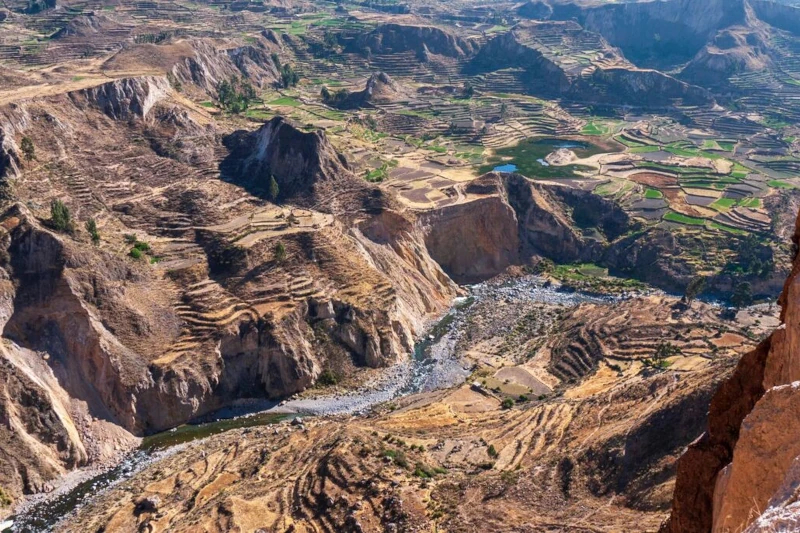
For those looking to explore one of the world’s deepest canyons, the Colca Canyon trek is a must. Twice as deep as the Grand Canyon, Colca Canyon offers breathtaking views and the chance to spot the Andean condor, one of the world’s largest flying birds. The trek can vary in difficulty, with options for both day hikes and multi-day adventures. Along the way, you’ll encounter traditional Andean villages and terraced fields that have been cultivated for centuries.
The Colca Canyon trek provides an immersive experience in nature’s grandeur, with towering cliffs and verdant valleys. The opportunity to observe the majestic Andean condor soaring above adds a touch of wonder to the adventure. As you hike, you’ll pass through charming villages where time seems to stand still, offering a glimpse into the Andean way of life that has persisted for generations.
The Ausangate Trek: High-Altitude Beauty and Challenge
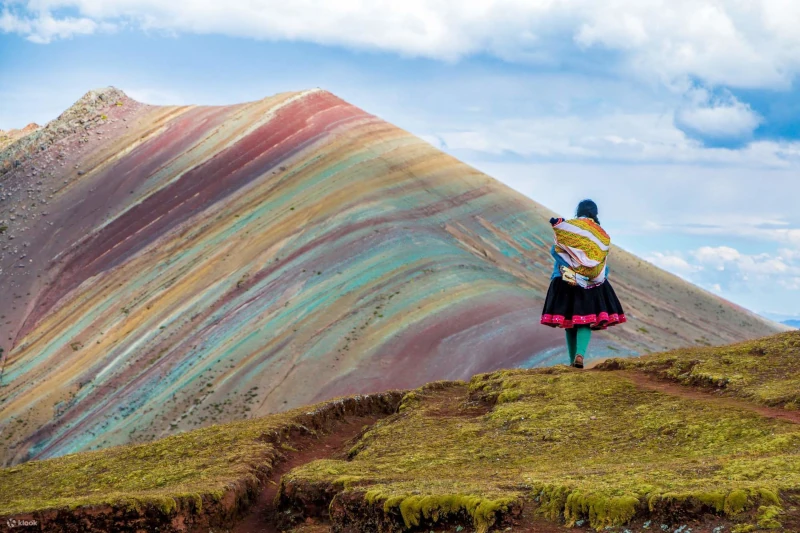
For the more adventurous, the Ausangate mountain Trekking offers a high-altitude challenge that is both demanding and rewarding. This trek takes you through the remote Andes, past turquoise lakes and colorful mountain ranges. The highlight of the trek is the Rainbow Mountain, known for its striking mineral-rich layers. The Ausangate mountain is less crowded, providing a more solitary experience with opportunities to engage with local Quechua communities.
The Ausangate Trek is a journey into the heart of the Andes, where the landscapes are as inspiring as they are challenging. The trek’s high-altitude nature requires physical endurance and mental resilience, but the rewards are immense. The stunning vistas of snow-capped peaks and the vibrant hues of Rainbow Mountain create an otherworldly ambiance. This trek also offers cultural encounters with Quechua herders, adding depth to the adventure.

Acclimatization and Preparing Your Body
When hiking in Peru, especially at high altitudes, acclimatization is crucial. Spend a few days in Cusco or another high-altitude city to allow your body to adjust. Staying hydrated, eating light meals, and avoiding alcohol can help minimize altitude sickness.
Proper acclimatization is key to enjoying your hiking experience. Allow your body time to adjust to the reduced oxygen levels, which can prevent the onset of altitude sickness. Incorporating light activities and rest days into your itinerary can also aid in acclimatization. Be mindful of your body’s signals and take it slow, ensuring you’re well-prepared for the physical demands of high-altitude trekking.
Packing Essentials for a Successful Trek
Pack wisely for your trek. Essential items include sturdy hiking boots, layered clothing for varying temperatures, a high-quality rain jacket, a hat, sunscreen, and a good backpack. Don’t forget to bring a reusable water bottle and snacks for energy.
When packing, consider the unpredictable weather conditions you might encounter on the trails. Layering is crucial to staying comfortable, as temperatures can fluctuate throughout the day. Additionally, investing in quality gear can enhance your trekking experience by providing comfort and protection. Remember to pack a camera to capture the stunning vistas and moments along your journey.
Respect for Culture and Nature
Peru’s trails are not only natural wonders but also culturally significant sites. Always respect local customs and traditions. Follow Leave No Trace principles by carrying out all trash and minimizing your environmental impact. Engaging with local communities enriches the experience and supports sustainable tourism.
Respect for the environment and local cultures is paramount when trekking in Peru. By adhering to ethical travel practices, you contribute to the preservation of these remarkable trails for future generations. Taking the time to learn about the customs and traditions of the regions you visit enhances your understanding and appreciation of the cultural tapestry that is Peru.

Conclusion: A Trekker’s Paradise
Peru is a hiker’s paradise, offering adventures that range from the iconic Inca Trail tour to the remote Ausangate Trek. Each trail provides a unique perspective of Peru’s stunning landscapes and rich heritage. Whether you’re seeking the thrill of high-altitude treks or the serenity of nature, hiking in Peru promises unforgettable experiences and memories that will last a lifetime.
Embark on your Peru hiking adventure today and discover the beauty and history that await on the trails of this incredible country. Whether you’re walking along ancient paths or exploring hidden valleys, Peru’s hiking trails offer an unparalleled journey into the heart of the Andes.
As you traverse these majestic landscapes, you’ll not only connect with nature but also with the enduring spirit of the Incan civilization and the vibrant cultures that continue to thrive in these mountains.