+51 980 852 691 +51 930 842 108 [ES] info@andeantrekkingperu.com Calle Marques 231 Int. 115. CC Sotomayor.
Contact Us

Ausangate Mountain: Sacred Peak of the Andes

Ausangate Mountain is a sacred peak in the Andes. Discover its natural beauty, spiritual meaning, and trekking adventures.

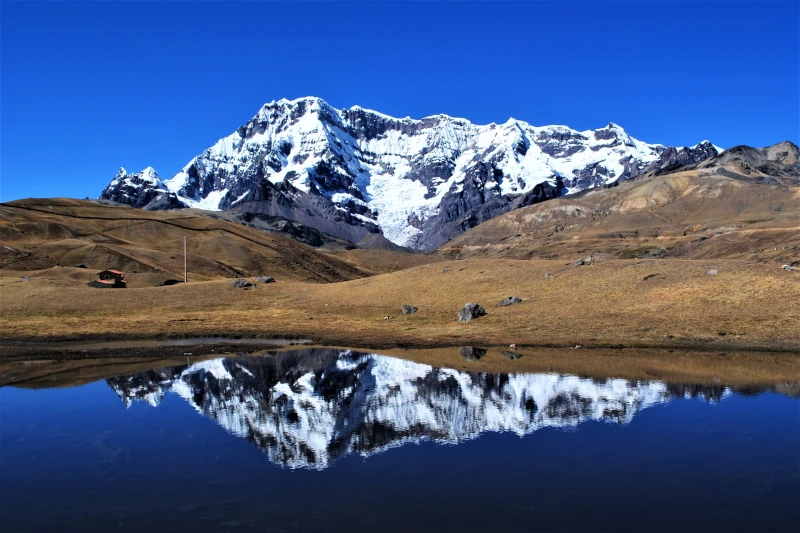
Ausangate Mountain stands as the sacred peak of the Andes, rising over 6,300 meters in the Cusco region of Peru. This snow-capped peak is more than a natural wonder—it holds deep spiritual meaning for local communities. As one of the most revered Apus, it continues to inspire respect and awe.

Throughout the dry season, the Ausangate trek attracts nature lovers, hikers, and cultural travelers seeking stunning views and meaningful experiences. With glaciers, turquoise lakes, and dramatic ridgelines, the scenery is breathtaking. Moreover, visitors often feel a spiritual connection as they pass through sacred valleys and mountain passes.

This sacred mountain also offers unique access to Andean traditions and ecological wonders. From the vibrant colors of the Red Valley to the peaceful beauty of glacial lagoons, each trail reveals something extraordinary. Therefore, Ausangate Mountain is not just a destination—it is a journey into Andean heritage and high-altitude adventure.

Geographical Grandeur: Nature’s Majesty in the High Andes

ausangate mountain

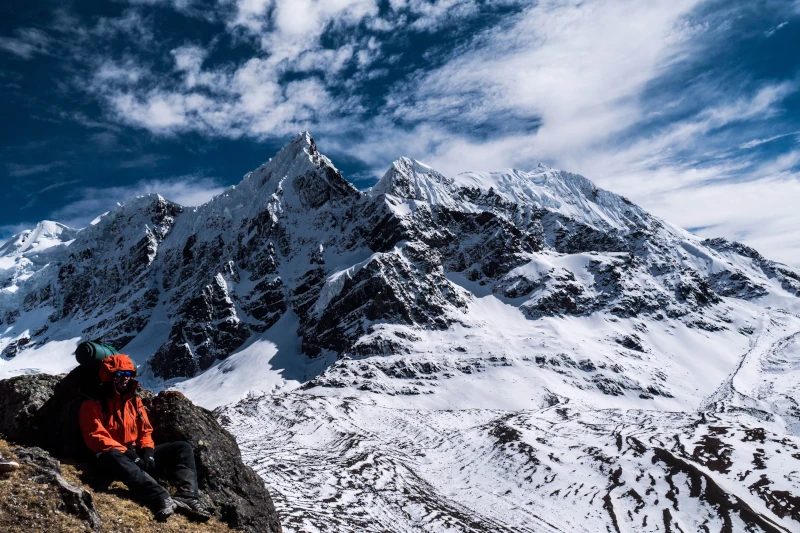
The snow-capped peak of Apu Ausangate commands the Cusco region with unmatched power and grace. This sacred mountain rises above the Vilcanota mountain range, shaping both landscape and legend. Travelers feel a spiritual connection as they approach its rugged slopes.

Due to the high altitude, hikers often rely on coca tea and take time to acclimatize before continuing the trail. The Ausangate trek spans over 100 km and offers a true challenge for experienced hikers. With proper hiking boots and warm sleeping bags, you’ll be ready to face freezing nights.

But it’s not just the effort—it’s the reward. The route reveals glacier-fed lagoons, deep canyons, and stunning views of untouched wilderness. The journey showcases the time magnificence that has the Andes Mountains at every turn.

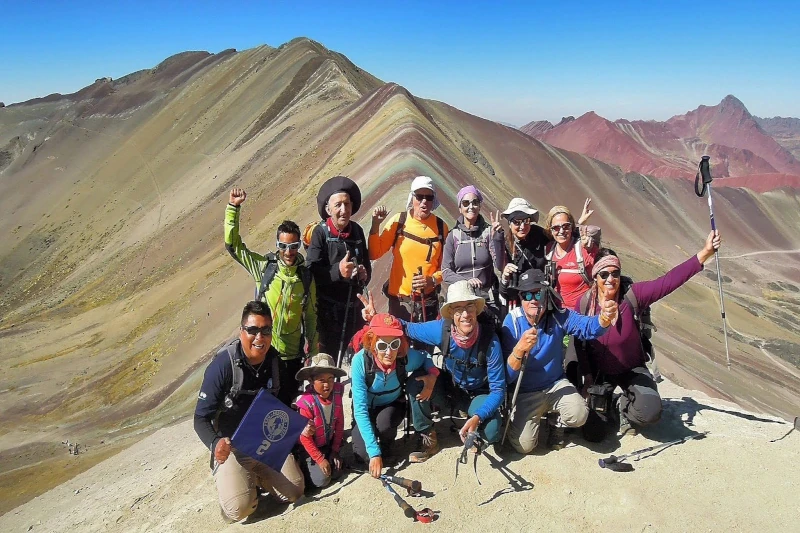
Visitors often extend their adventure choosing the tour, Ausangate & Rainbow Mountain for many days experience. This combo trek includes the famed Red Valley or the iconic mountain of 7 Colors Vinicunca’s wonder. During the dry season, thousands of people hike this path for the spectacular view.

Scenic Trails Beyond the Summit

For those seeking a lighter option, the trip to Palccoyo Rainbow Mountain provides vibrant colors with easier terrain. It’s a perfect addition to any Andean Trekking. Palccoyo offers excellent views of Ausangate without the physical demands of a long mountain trek.

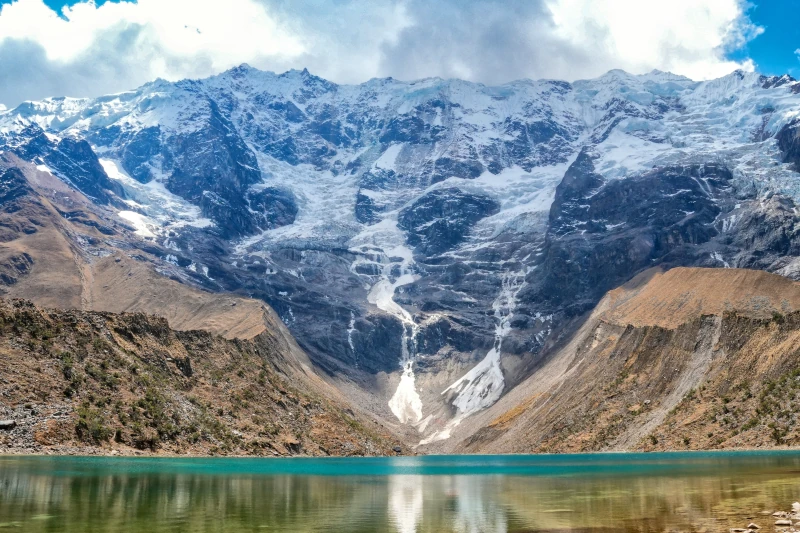
Not far away, Humantay Lake Peru dazzles with turquoise waters surrounded by towering cliffs. Tour operators often pair it with trips through the sacred Valley of Inkas. These routes are part of the campaign to Enhance your trekking experience with trails in the Sacred Valley.

Whether you choose the full trip to Ausangate 7 Lakes or a shorter hike, each step brings awe. This landscape is not only geographic—it’s deeply spiritual. Preparing for the trekking in the Andes Routes  will help to get a great journey and then will enjoy the destination.

ausangate mountain

A Sanctuary for Solitude

For those who venture into the remote wilderness of Ausangate, the experience is one of profound solitude and introspection. The mountain’s isolation from urban centers creates an environment where visitors can disconnect from the chaos of modern life and reconnect with nature. The serenity of Ausangate’s landscapes offers a unique opportunity for reflection and personal growth, attracting adventurers and spiritual seekers alike.

The mountain’s challenging terrain deters casual visitors, preserving its natural state and allowing for an authentic wilderness experience. This solitude is a valuable asset, providing a refuge for wildlife and a space for humans to find peace and inspiration.

Wildlife Haven

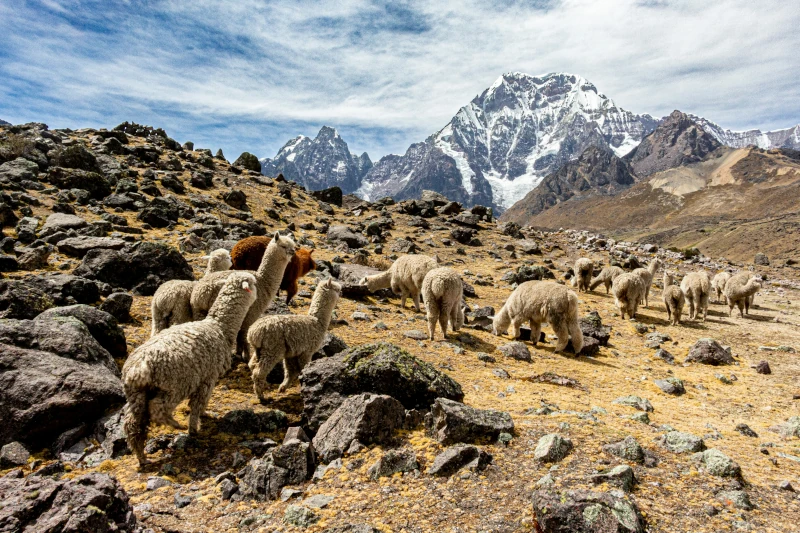
The remote and varied landscapes of Ausangate provide a crucial habitat for a wide array of wildlife. The mountain is home to numerous species that have adapted to its harsh conditions, including the iconic Andean condor, the elusive Andean mountain cat, and the resilient vicuña. These species are integral to the ecological balance of the region, each playing a unique role in the food web and contributing to the health of their ecosystems.

The presence of such diverse wildlife highlights the importance of Ausangate as a conservation area. Protecting these species and their habitats is essential for maintaining the ecological integrity of the Andes. Efforts to conserve Ausangate’s biodiversity not only benefit wildlife but also support the traditional lifestyles of local communities who rely on these ecosystems for their livelihoods.

Ecological Significance

The Ausangate region is a biodiversity hotspot, home to a diverse array of flora and fauna. Its unique ecosystems, ranging from high-altitude grasslands to glacial lakes, support a rich variety of species. Notably, the area is a critical habitat for several avian species, including the Andean condor and the rare Andean mountain cat.

Biodiversity Hotspot

ausangate mountain

The ecological diversity of Ausangate is a reflection of its varied landscapes, which range from arid high-altitude grasslands to lush valleys and glacial lakes. These diverse habitats support a wide range of plant and animal species, many of which are endemic to the Andes. The region’s flora, including unique high-altitude grasses and hardy shrubs, provides essential forage for herbivores and contributes to the overall health of the ecosystem.

The rich biodiversity of Ausangate makes it an invaluable resource for scientific research and conservation efforts. Understanding the complex interactions between species and their environments is crucial for developing effective conservation strategies. The preservation of Ausangate’s biodiversity is essential for maintaining the ecological balance of the Andes and ensuring the survival of its unique species.

Avian Diversity

Birds are among the most visible and diverse inhabitants of the Ausangate region, with species ranging from the majestic Andean condor to smaller, colorful songbirds. These avian species play crucial roles in the ecosystem, from pollinating plants and dispersing seeds to controlling insect populations. The presence of such a wide variety of birds is indicative of the health and vitality of Ausangate’s ecosystems.

The conservation of avian species in Ausangate is of particular importance, as birds are often sensitive indicators of environmental change. Protecting these species and their habitats can help safeguard the broader ecosystem and maintain the ecological integrity of the region. Conservation efforts that focus on avian diversity also support the cultural traditions of local communities, who have long revered birds as symbols of freedom and spirituality.

Ecosystem Interactions

The interplay of species within Ausangate’s ecosystems highlights the intricate balance of nature. The interactions between plants, animals, and their physical environment create a dynamic and resilient ecosystem that can adapt to changing conditions. Understanding these interactions is key to effective conservation, as it allows for the development of strategies that support the health and sustainability of the entire ecosystem.

The role of keystone species, such as the Andean condor and vicuña, is particularly important in maintaining ecosystem balance. These species influence the distribution and abundance of other organisms, and their presence is vital for the stability of the ecosystem. Conservation efforts in Ausangate must prioritize the protection of these keystone species to ensure the long-term health and resilience of the region’s ecosystems.

Cultural and Spiritual Heritage

For the indigenous Quechua people, Ausangate is more than a mountain; it is an apu, or sacred spirit, that holds deep spiritual significance. The local communities believe that Ausangate, along with other apus, protects the people and provides them with water, crops, and prosperity.

Traditional Rituals and Ceremonies

The spiritual connection to Ausangate is celebrated through a variety of traditional rituals and ceremonies, which are vital to the cultural identity of the region. These events often involve offerings to the mountain spirits, known as “payments to the earth,” which include symbolic items such as coca leaves, chicha, and animal fat. These rituals are expressions of gratitude and respect for the apus, seeking their continued support and protection.

Participating in these ceremonies offers visitors a unique insight into the spiritual beliefs and practices of the Quechua people. The vibrant colors, music, and dances associated with these rituals create a festive atmosphere that showcases the rich cultural heritage of the Andes. For trekkers on the Ausangate trail, witnessing these ceremonies provides a deeper understanding of the cultural and spiritual significance of the mountain.

Cultural Preservation

The preservation of cultural traditions related to Ausangate is essential for maintaining the identity and heritage of the Quechua people. Cultural preservation initiatives often involve collaboration between local communities, researchers, and conservationists to support the sustainable management of natural and cultural resources.

By preserving their cultural heritage, the Quechua people can continue to share their unique traditions with the world. This not only enriches the cultural landscape of the Mountain Andes but also fosters greater appreciation and understanding of the diverse cultures that inhabit the region. Supporting cultural preservation is a vital component of broader conservation efforts, as it recognizes the inseparable link between cultural and natural heritage.

The Concept of Apu: Sacred Spirits of the Andes

In the Cusco region, mountains are more than landforms,they are living protectors known as Apus. Each sacred mountain holds a powerful spiritual force. 

Andean communities offer rituals to the Apus, asking for protection, water, and fertile lands. These ceremonies reflect deep respect for nature and ancient tradition. Pilgrims often form a spiritual connection during their mountain trek across the Vilcanota mountain range.

Many travelers now explore these beliefs through the Ausangate trek, guided by locals who explain the role of each Apu. Along the way, hikers gain insight into the majesty and beauty of the Andes Mountains. The path offers stunning views and moments of deep reflection.

A Living Tradition in the High Andes

Travelers visit Apu Humantay during the Humantay Lake hike to experience its significance and discover what awaits in the Andes Mountains. Visitors recognize their importance and equip themselves for the altitude at Humantay Lake, while also preparing mentally for this spiritual journey.

For deeper context, the Andean hike high altitude trekking experience, includes legends from local communities. These tales link to The Andes Apu Humantay Mountain tradition and highlight ancient Andean cosmology. In truth, also trekking in the Andes routes is more than physical—it’s deeply cultural.

The Ausangate Trek: A Journey of Discovery

The Ausangate trek is renowned for its challenging yet rewarding paths that offer unparalleled views of the Andes. Trekkers traverse diverse landscapes, from the Rainbow Mountain’s vivid mineral hues to the serene glacial lakes of Ausangate.

Trekking Routes and Scenic Highlights

ausangate mountain

The Ausangate trek offers a variety of routes that cater to different levels of experience and interest. Each path provides unique scenic highlights, from the striking colors of Peru’s Rainbow Mountain to the tranquil beauty of the glacial lakes. The trail treats trekkers to panoramic views of snow-capped peaks and verdant valleys, creating a captivating, ever-changing tapestry of landscapes.

The diversity of the trekking routes ensures that there is something for everyone, whether they seek a leisurely hike or a challenging adventure. The trails wind through remote villages and untouched wilderness, offering opportunities to experience the natural and cultural richness of the region. The Ausangate trek is a journey of discovery that reveals the hidden wonders of the Andes.

Experiencing Local Culture

The trek provides an opportunity to engage with the local Quechua communities, offering a glimpse into their traditional way of life. Trekkers can visit remote villages and interact with residents, learning about their customs, crafts, and daily routines. 

This cultural exchange enriches the trekking experience, fostering a deeper understanding and appreciation of the people who call the Andes home. These hands-on experiences help trekkers connect with the region’s cultural heritage and understand skills and knowledge passed down through generations. Experiencing local culture also involves participating in traditional activities, such as weaving demonstrations and cooking classes.   

The Ausangate trek is not only a physical journey but also a cultural exploration that leaves a lasting impression.

Environmental Awareness on the Trail

The Ausangate trek offers an opportunity to raise awareness about the environmental challenges facing the region. Guides and local experts play a crucial role in educating trekkers about the ecological significance of Ausangate and the importance of conservation efforts. By sharing knowledge about local species and habitats, they foster a deeper appreciation for the natural world and inspire action to protect it. Guides encourage trekkers to minimize their environmental impact by following Leave No Trace principles and supporting local conservation initiatives.

Environmental awareness is an integral part of the trekking experience, as it encourages responsible and sustainable tourism practices. By promoting environmental stewardship, the Ausangate trek helps ensure the preservation of the region’s natural beauty for future generations.

Preparing for the Trek

Embarking on the Ausangate trek requires careful preparation. Due to its high altitude, trekkers must acclimatize properly to avoid altitude sickness. It is advisable to engage the services of experienced guides who are familiar with the terrain and can provide valuable insights into the region’s natural and cultural wonders.

Acclimatization and Health Considerations

Proper acclimatization is essential for a safe and enjoyable trekking experience. Experts advise trekkers to spend several days at high altitude before the trek to help their bodies adjust to reduced oxygen levels.

This can help prevent altitude sickness, which can cause symptoms such as headaches, nausea, and dizziness, and ensure that trekkers can fully enjoy the experience.

In addition to acclimatization, trekkers should consider their overall health and fitness levels before embarking on the Ausangate trek. The demanding terrain and high altitude require a good level of physical fitness and endurance. Preparing for the trek with regular exercise and cardiovascular training can help improve stamina and reduce the risk of injury.

Importance of Experienced Guides

Hiring experienced guides is highly recommended for those undertaking the Ausangate trek. Guides possess invaluable knowledge of the terrain, weather conditions, and cultural sites, ensuring a safe and informative journey. They can provide insights into the local flora and fauna, cultural practices, and historical significance of the region, enriching the trekking experience.

Guides also play a crucial role in emergency situations, offering support and assistance if needed. Their expertise in navigation and first aid can provide peace of mind for trekkers, allowing them to focus on enjoying the journey. By supporting local guides, trekkers contribute to the economic well-being of the communities that rely on tourism for their livelihoods.

Gear and Equipment Recommendations

Preparing for the Ausangate trek involves gathering the right gear and equipment to ensure comfort and safety. Trekkers should pack essential items such as sturdy hiking boots, warm clothing, and a reliable backpack. Travelers should wear layered clothing to handle temperature changes and pack a good quality sleeping bag and tent for overnight stays.

Additional gear, such as trekking poles, a water purification system, and a first aid kit, can enhance the trekking experience and provide added security. Trekkers should also consider bringing personal items such as sunscreen, insect repellent, and a camera to capture the stunning landscapes. Proper preparation and packing can make a significant difference in the enjoyment and success of the trek.

The Challenges of Conservation: Protecting a Sacred Landscape

Conserving Apu Ausangate, a sacred mountain in the Cusco region, presents growing challenges each year. Increased tourism impacts wildlife, water sources, and fragile ecosystems. Yet, the spectacular view continues to attract hikers from across the world.

During the dry season, trails along the Ausangate trek experience heavy foot traffic. Overuse causes erosion, pollution, and strain on natural resources. This puts pressure on local communities and conservation teams.

Additionally, hikers often underestimate the environmental impact of a high-altitude mountain trek. Discarded waste and campfire use harm native vegetation and water purity. Some areas lose their natural beauty because of poor visitor behavior.

Balancing Access and Preservation

ausangate mountain

All trekkers must observe the standards outlined to the complete trail Manual to  Ausangate Mountain Trekking. These guidelines promote low-impact practices, respectful interaction, and proper waste disposal. Education plays a key role in maintaining stunning views for future generations.

Some visitors struggle to acclimate to the high altitude, which adds further stress to the environment. Many use coca leaf tea, and the effects of coca leaf tea, to manage symptoms. However, unprepared trekkers often leave behind emergency waste or supplies.

Therefore, eco-tour operators now link conservation with cultural understanding. Tours include insights on ancient hikes, the ancient trails of the Sacred Valley, reinforcing respect for sacred landscapes. Even photographers, drawn to Photograph the magic of Machu Picchu, must now follow new preservation standards.

Ultimately, responsible travel ensures that views of Ausangate remain untouched. By following tips in Preparing for the Vinicunca Trek, hikers become part of the solution. Protecting the Mountain Ausangate means protecting both nature and ancestral memory.

Sustainable Tourism Practices

With the growing popularity of the Ausangate trek, sustainable tourism practices are essential to minimize the environmental impact of visitors. This includes implementing measures such as limiting the number of trekkers, promoting eco-friendly accommodations, and encouraging responsible behavior on the trails. By managing tourism sustainably, the region can protect its natural beauty while providing economic benefits to local communities.

Tour operators and guides play a key role in promoting sustainable tourism by educating visitors about the importance of conservation and encouraging environmentally friendly practices. Initiatives such as waste reduction, recycling, and support for local conservation projects help preserve the region’s ecosystems and cultural heritage. Sustainable tourism is a vital component of broader efforts to protect Ausangate and its surrounding landscapes.

Community Involvement in Conservation

Engaging local communities in conservation efforts is essential for their success. By involving indigenous groups in decision-making processes and providing them with the tools and knowledge needed for sustainable land management, conservationists can foster a sense of ownership and responsibility.

Empowering Indigenous Communities

Empowering indigenous communities is a critical aspect of successful conservation efforts in the Ausangate region. By recognizing the traditional knowledge and expertise of local people, conservationists can develop strategies that are culturally appropriate and effective. Indigenous communities participate in decision-making processes, voice their needs, and take responsibility for conservation initiatives with greater ownership.

Empowerment initiatives often include capacity-building programs that provide training in sustainable land management, conservation techniques, and ecotourism development. These programs help communities develop the skills needed to protect their natural resources while benefiting economically from tourism. By empowering indigenous communities, conservation efforts can become more inclusive and sustainable, benefiting both people and the environment.

Education and Awareness Programs

Educational programs play a vital role in raising awareness about the ecological importance of the Ausangate region and the need for conservation. These programs often target young people, providing them with the knowledge and skills needed to become active stewards of their environment. By fostering a connection to the natural world and promoting environmental responsibility, education programs help ensure the long-term protection of the region’s ecosystems.

Awareness initiatives also aim to educate tourists and visitors about the cultural and ecological significance of Ausangate. By promoting responsible behavior and encouraging support for local conservation projects, these initiatives help minimize the impact of tourism on the environment. Education and awareness programs are essential for building a culture of conservation that supports the sustainable management of natural and cultural resources.

Collaboration with Conservation Organizations

Collaboration with conservation organizations is essential for addressing the complex challenges facing the Ausangate region. These organizations bring valuable expertise and resources to support local conservation efforts, helping to develop effective strategies and implement sustainable practices. Partnerships between local communities, conservation organizations, and government agencies can leverage resources and expertise to achieve common goals.

Collaborative efforts often focus on specific conservation projects, such as habitat restoration, species protection, and sustainable tourism development. By working together, stakeholders can address the root causes of environmental degradation and develop solutions that benefit both people and the environment. Collaboration with conservation organizations is a key component of successful conservation efforts in the Ausangate region.

A Call to Action

Ausangate Mountain stands as a symbol of the interconnectedness of nature and culture. Its towering peaks and vibrant ecosystems remind us of the urgent need to protect these invaluable resources. We explore and appreciate the wonders of Ausangate, take action to support conservation, promote sustainable tourism, and honor its rich cultural heritage.  

The Importance of Conservation

Conservation is essential for preserving the unique natural and cultural heritage of the Ausangate region. By protecting its ecosystems and biodiversity, we can ensure the survival of the species that call this area home and maintain the ecological balance of the Andes. Conservation efforts also support the cultural traditions of local communities, allowing them to continue their spiritual and cultural practices in harmony with the environment.

Promoting Sustainable Tourism

Sustainable tourism is a vital component of conservation efforts in the Ausangate region. We promote responsible tourism practices to minimize environmental impact and preserve the region’s natural beauty for future generations. 

Sustainable tourism also provides economic benefits to local communities, supporting their livelihoods and encouraging the development of eco-friendly businesses.

Supporting Cultural Heritage

Support the cultural heritage of the Ausangate region is essential for maintaining the identity and traditions of local communities. By preserving their cultural practices and promoting cultural exchange, we can foster greater understanding and appreciation of the diverse cultures that inhabit the Andes. Supporting cultural heritage is a key component of broader conservation efforts, recognizing the inseparable link between cultural and natural resources.

By working together, we can ensure that Ausangate continues to inspire and sustain future generations, preserving its legacy as a sacred peak of the Andes. Let us take action to protect this invaluable resource, promoting conservation, sustainable tourism, and cultural preservation for the benefit of all.