+51 980 852 691 +51 930 842 108 [ES] info@andeantrekkingperu.com Calle Marques 231 Int. 115. CC Sotomayor.
Contact Us

Colca Canyon: A Hiker’s Paradise Awaits

Colca Canyon, located in the southern part of Peru, is a destination of breathtaking beauty and cultural significance. Often overshadowed by the more famous Machu Picchu and the bustling city of Cusco, the canyon offers a unique experience for those seeking adventure and a deeper understanding of Andean civilizations. With its stunning landscapes and rich history, Colca Canyon is indeed a hiker’s paradise that beckons explorers from around the world.

A Natural Wonder of Epic Proportions

colca canyon

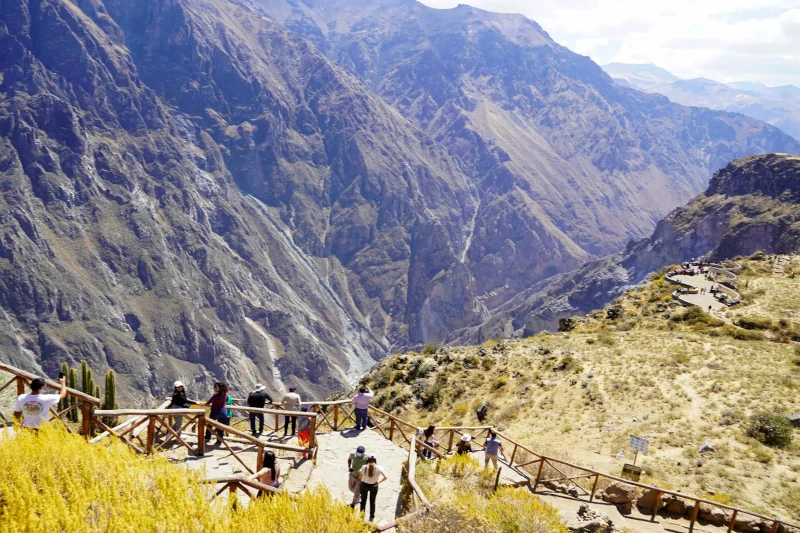
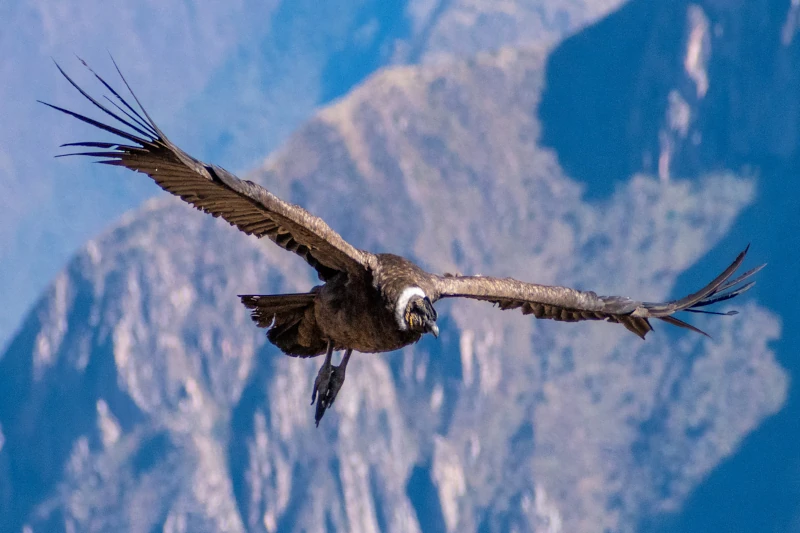
Colca Canyon is one of the deepest canyons in the world, with an elevation of over 10,000 feet above sea level. This majestic natural wonder is twice as deep as the Grand Canyon in the United States, making it a must-visit for outdoor enthusiasts. The canyon’s depth is not its only allure; it is also home to the majestic Andean condor. This is a symbol of the region and a marvel to behold as it soars gracefully against the canyon’s vast backdrop.

Geology and Microclimates

Colca Canyon is a result of millions of years of geological activity, with tectonic movements and volcanic eruptions shaping its current form. The canyon’s cliffs and ridges showcase layers of rock that tell a story of the Earth’s evolution. Each stratum represents a different epoch, offering geologists and nature lovers a window into the past. The canyon’s sheer depth creates a range of microclimates, supporting diverse ecosystems. From the arid high-altitude desert at the rim to the lush greenery at the base, Colca Canyon is a biodiversity hotspot.

The Andean Condor: A Majestic Symbol

The Andean condor, with its impressive wingspan, is a true spectacle against the backdrop of the canyon. These birds are considered sacred in Andean mythology, symbolizing the connection between the heavens and the earth. Conservation efforts in the region aim to protect these magnificent creatures. Allows the visitors to witness their majestic flights for generations to come.

Cultural Heritage and Indigenous Communities

colca canyon

The canyon is not only a natural wonder but also a place rich in cultural heritage. The indigenous peoples of the Andean region have lived in harmony with the land for centuries. Their traditions and customs are woven into the very fabric of the canyon’s history. The Quechua and Aymara languages, spoken by many locals, are a testament to the enduring legacy of these ancient civilizations.

History of Pre-Inca and Inca Civilizations

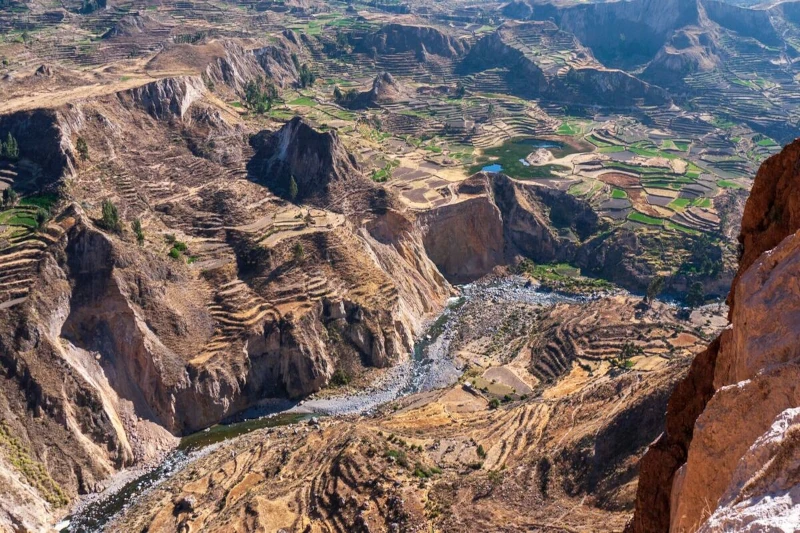
Long before the Inca empire, pre-Inca civilizations thrived in the Colca Valley. These ancient peoples were skilled architects and engineers, leaving behind archaeological sites that continue to intrigue historians and archaeologists.

The terraced fields that line the canyon walls are a marvel of engineering, reflecting the ingenuity and perseverance of the Inca and pre-Inca peoples. These terraces, still in use today, are a reminder of their deep connection.

Festivals and Local Traditions

Festivals and rituals are integral to the cultural identity of the Colca Valley. These vibrant celebrations, often held in honor of the earth and its bounty.  In effect provide visitors with an opportunity to participate in the local culture. The music, dance, and traditional attire offer a colorful tapestry of the region’s rich heritage.

Hiking Trails in Colca Canyon

Hiking in Colca Canyon is not just about enjoying the scenery; it is also an opportunity to walk in the footsteps of the ancients.

  • Cabanaconde to Llahuar: This trail offers a challenging yet rewarding hike with stunning views of the canyon and the chance to relax in natural hot springs at Llahuar.

  • Sangalle Oasis: Known as the “Oasis of the Andes,” this trail leads to a lush, green paradise at the bottom of the canyon, offering a refreshing respite for weary hikers.

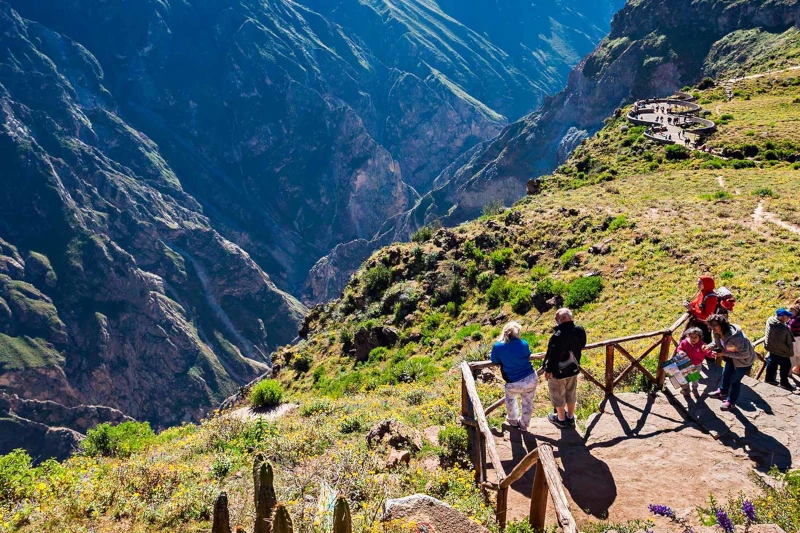
  • Condor Cross: For those interested in birdwatching, this trail provides an opportunity to see the Andean condor in its natural habitat, a truly unforgettable experience.

  • colca canyon

Preparing for Your Hike

Navigating the trails of Colca Canyon requires careful planning and preparation. Local guides play an integral role in enhancing the hiking experience. Safety should be a top priority for any hiking expedition, including acclimatization, gear, and understanding trail difficulty.

Tour Options in Colca Canyon

  • Condor Watching Tours: Departing from Puno or Arequipa, these tours take visitors to the best vantage points to observe the majestic condors.

  • Cultural Immersion Tours: Focus on traditional Andean life, local communities, and ceremonies.

  • Adventure Tours: Combine hiking with activities like zip-lining or rock climbing.

Many operators offer customizable itineraries to suit individual preferences, ensuring a memorable experience.
Sustainable tourism is a growing focus in Colca Canyon. Eco-friendly tours support local communities while preserving the natural and cultural heritage of the region.

Connecting Colca Canyon with Peru’s Wonders

Colca Canyon is part of the larger tapestry of Peru’s attractions. Travelers often combine visits to Machu Picchu, Lake Titicaca, la Ruta del Sol and Cusco for a richer experience.

Tips for Visiting Colca Canyon

  • Acclimatization: Spend a few days in Arequipa or Cusco to adjust to the altitude.

  • Packing Essentials: Layered clothing, sturdy boots, water, sunscreen, and sunglasses are crucial.

  • Respect Local Customs: Engage respectfully with local communities and learn about their traditions.
    colca canyon

Conclusion: A Hiker’s Paradise

Colca Canyon is more than just a hiking destination; it is a place where nature and culture intertwine. Standing at the canyon’s edge, watching condors soar and absorbing the Andean landscape. Therefore visitors understand why Colca Canyon is truly a hiker’s paradise.

Embark on Your Adventure

By visiting Colca Canyon, travelers contribute to the preservation of its natural and cultural heritage. This shared responsibility ensures future generations can experience the awe-inspiring beauty and history of this remarkable region.