
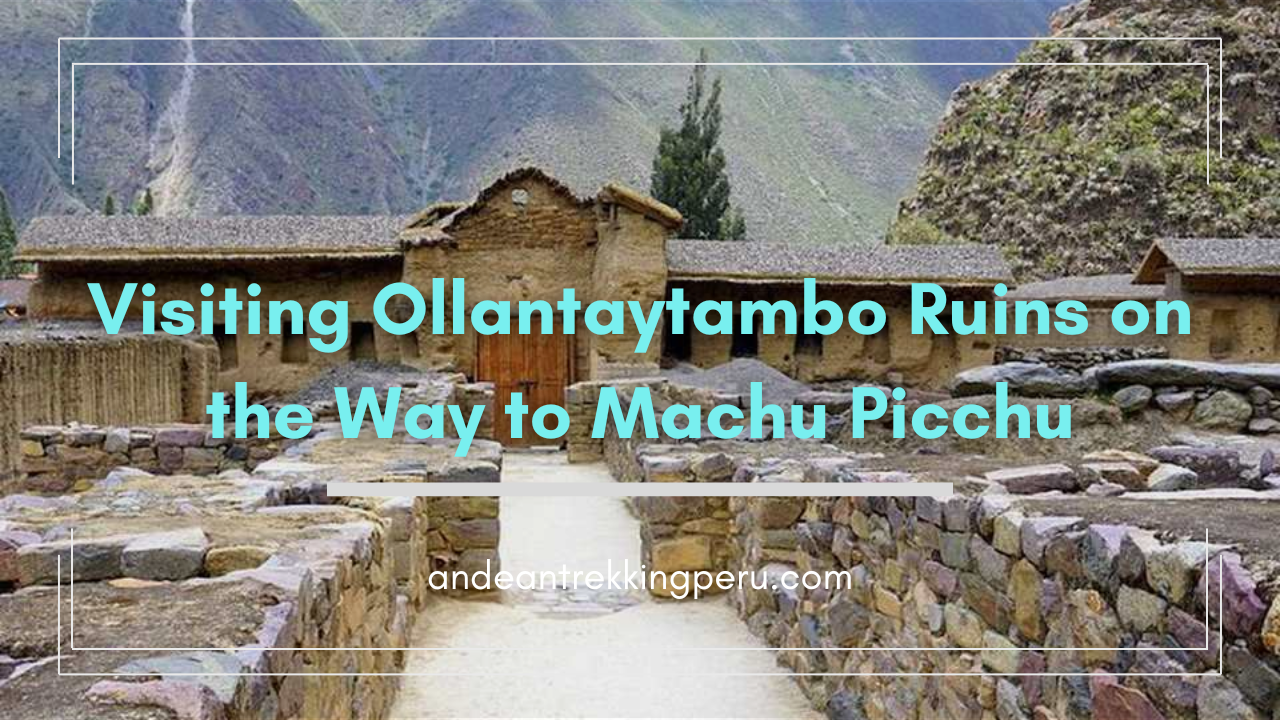
You’re on the Sacred Valley “commute.” Bags packed. Train time pinned. Someone in your group is checking the weather like it’s a stock chart. And then you see it—huge stone terraces stacked up the mountain, right above a real, lived-in town. That’s Ollantaytambo. And yes, it’s absolutely worth stopping.
This post is for the practical traveler and the curious one (often the same person). We’ll talk timing, tickets, what you’ll actually see, and how to fit the visit into a Machu Picchu plan without turning the day into a messy calendar invite.
So… why stop at Ollantaytambo ruins on the way to Machu Picchu?
Because it’s one of the few places where the “logistics stop” and the “wow stop” are the same place. The ruins sit right above town, and the train station to Machu Picchu is nearby. That means you can arrive, stash luggage, walk to the entrance, climb, come back down, eat something good, and still make your train.
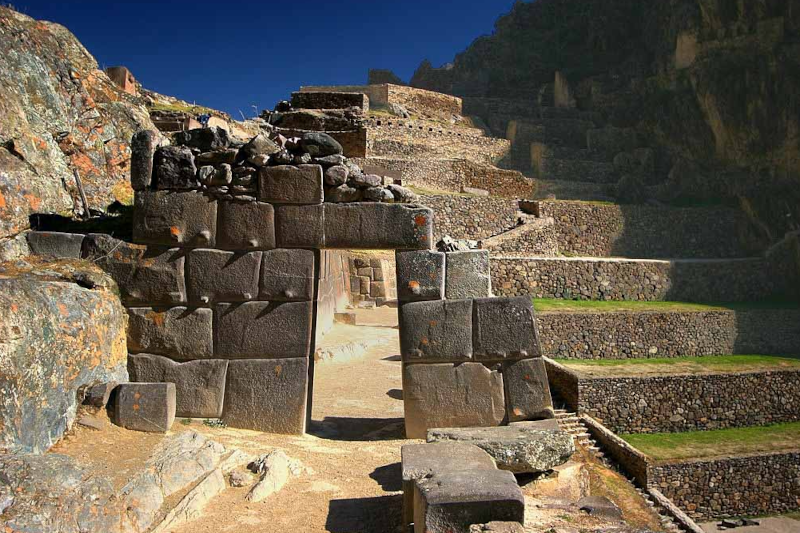
Also—context matters. Machu Picchu is the headline act. But Ollantaytambo is like reading the first chapter and realizing, “Oh, this story has depth.” You see Inca terraces, stonework, water channels, and the way a town and a site can share one landscape.
Official tourism info places the archaeological park at roughly 2,851 meters above sea level. That altitude is manageable for many people—but it still changes how your body feels on stairs. More on that in a minute.
The vibe check: it feels big, but not “far away”
The first impression is scale. The terraces rise fast. From the plaza, it can look like someone built a giant stone ladder into the mountain.
But here’s the twist: it doesn’t feel remote. You’ll hear street noise, footsteps, maybe a vendor calling out prices. It’s a living town, not a museum bubble. That mix is part of what makes Peru Ollantaytambo ruins visits feel so memorable. You’re not time-traveling to an empty set; you’re moving through a place that’s still in use.
And if you like little side quests, Ollantaytambo is full of them—cobblestone lanes, water channels running beside walls, small cafés with surprisingly serious espresso. (Yes, I’m saying this as someone who’s had coffee in places with “artisanal” in the name and regretted it.)
Mini history (promise it’s not a classroom)
Ollantaytambo ruins history ties to Inca planning and power—and, later, resistance. Peru’s official tourism inventory describes the park as a fortified city built by Inca Pachacútec and later used as a stronghold by Manco Inca Yupanqui during the conquest period. It’s also described as military, religious, administrative, and agricultural.
Here’s the simple takeaway: this was not a random pile of stones. It was a planned complex with multiple “departments.” Farming system, water system, ceremonial areas, defensive positioning. Think of it as a tight operation with a clear org chart—except the org chart was carved into a mountainside.
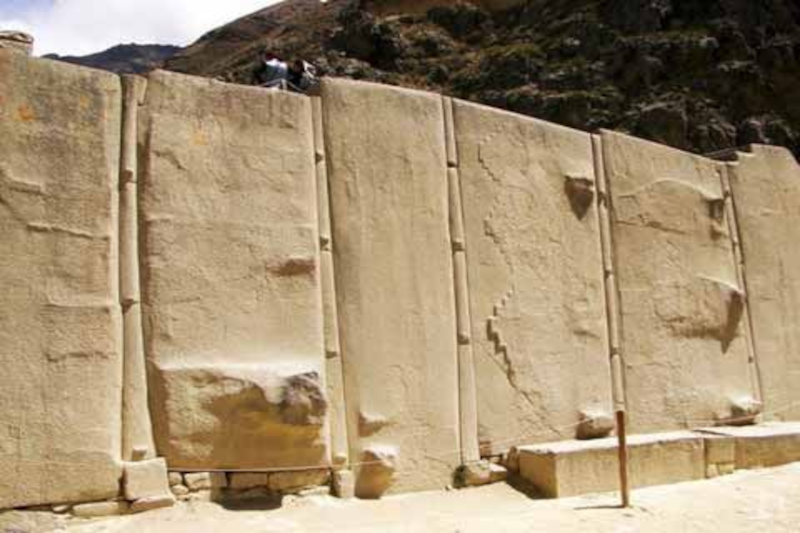
And those big stones up top? They make you do that quiet mental math: How did they move this? How did they fit it so closely? You don’t need every technical detail to feel the achievement.
What you’ll actually see inside the park (and what to pay attention to)
Most visits start at the main entrance near town and go up through wide terraces and stone stairs. It’s a steady climb. Not terrifying. Not nothing.
If you want a quick “spot the highlights” list, here it is:
- The agricultural terraces: These are the big visual statement. They also help you see how the Incas worked with steep terrain instead of fighting it.
- The upper sector: This is where the stonework gets more refined, and the views widen out over town and valley.
- The Temple of the Sun area: People talk about these large blocks for a reason. The scale is hard to ignore.
- Water channels and fountains: A quiet flex. The water features show planning and long-term thinking.
- The opposite hillside: Look across the valley. You’ll notice other structures and paths, which makes the place feel like part of a bigger network.
One small strategy: don’t sprint to the top. Take short pauses. Let your eyes adjust, then your lungs. It’s not a race; it’s a site visit.
How long to visit Ollantaytambo ruins? (A realistic schedule, not a fantasy one)
Most people need 1 to 2 hours for the main ruins. If you move fast and focus on the core route, you can do about an hour. If you like photos, breaks, and reading the landscape, 90 minutes to two hours feels better.
There’s also an official note about a shorter, relatively level tourist circuit of about 35 minutes that includes ramp access at the entrance for visitors with disabilities.
That route can be useful—but it won’t match the “classic terraces and upper sector” experience most travelers picture.
Here’s a timing model that works like a decent project plan (scope kept under control):
- Lean visit (60 minutes): Main terraces + top viewpoints, minimal stops.
- Comfort visit (90–120 minutes): Time to breathe, look, and linger a bit.
- Visit + town buffer (3–4 hours total): Ruins + lunch + train station logistics.
Now a mild contradiction: you can “do it quickly,” and you should not rush. Both are true. If your train is soon, move with purpose. If you have time, slow down—because this site rewards attention.
Also, build buffer time if you’re catching a train. You’ll want to pick up bags, get to the station, and handle lines. In July 2026, Cusco regional tourism authorities discussed access challenges affecting Circuit III of the Tourist Ticket, including vehicle congestion in Ollantaytambo. Congestion is basically the Sacred Valley’s version of “unexpected meeting ran over.” Padding helps.
Tickets: Ollantaytambo ruins entrance fee (and what people get confused about)
The Ollantaytambo ruins entrance fee is usually handled through the Cusco Tourist Ticket, not a standalone ticket for only this site. COSITUC lists the full foreign tourist ticket at S/130 (valid for 10 days) and the Partial Ticket III for the Sacred Valley at S/70 (valid for 2 days). Partial Ticket III includes Ollantaytambo, Pisac, Chinchero, and Moray.
This matters for planning. If you’re doing multiple valley stops, the partial ticket often makes sense. If you’re only doing Ollantaytambo, you still may need that partial ticket category—so it’s worth confirming what’s current when you’re there.
COSITUC also notes that the Tourist Ticket is purchased in person (not online), and that it provides temporary entry rights only; guiding and transportation are separate.
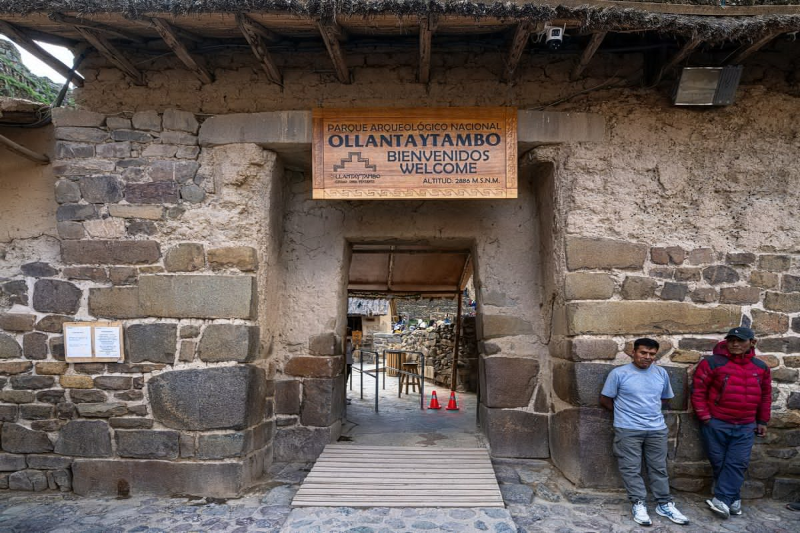
Pro tip, but not a dramatic one: keep your ID accessible. And if you’re traveling in peak season (June–August) or around holiday weeks, act like lines are part of the plan—not an exception.
Getting here from Cusco: choose your route like you’re managing risk
There are two common road routes from Cusco to Ollantaytambo:
- Cusco → Chinchero → Urubamba → Ollantaytambo (about 61 km, paved)
- Cusco → Pisac → Calca → Urubamba → Ollantaytambo (about 92 km, paved)
Those distances are described in official cultural information.
The Chinchero route is often the cleanest if you want to reach Ollantaytambo without turning the day into a marathon. The Pisac route can be great if you’re intentionally building a Sacred Valley day. The key is deciding early what your “deliverable” is: train on time or train on time plus extra sites. Scope creep is real, even on vacation.
Altitude, energy, and the “why do these stairs feel personal?” moment
Even if you’re fit, altitude changes the math. The stairs aren’t hard because they’re impossible; they’re hard because your lungs get less of a vote.
So treat it like this: short steps, steady pace, and small breaks. Drink water and coca tea. Use sunscreen. And don’t be surprised if the sun feels intense and the shade feels chilly—mountain weather can switch tones fast.
If you’re still acclimating, Ollantaytambo can actually be a nice middle ground before Machu Picchu. You’re moving, but you’re not doing a full-day trek. It’s a manageable test run.
About that extra side quest: the Ollantaytambo storehouse ruins and hike
The phrase “Ollantaytambo storehouse ruins and hike” usually points to structures on the mountainside opposite the main park—often linked with storage buildings. This is more of a local hike vibe than a formal circuit.
If you have extra time and decent legs left, it can be a great add-on. The views back toward the main terraces and town are excellent, and it’s a nice way to see the valley from a different angle.
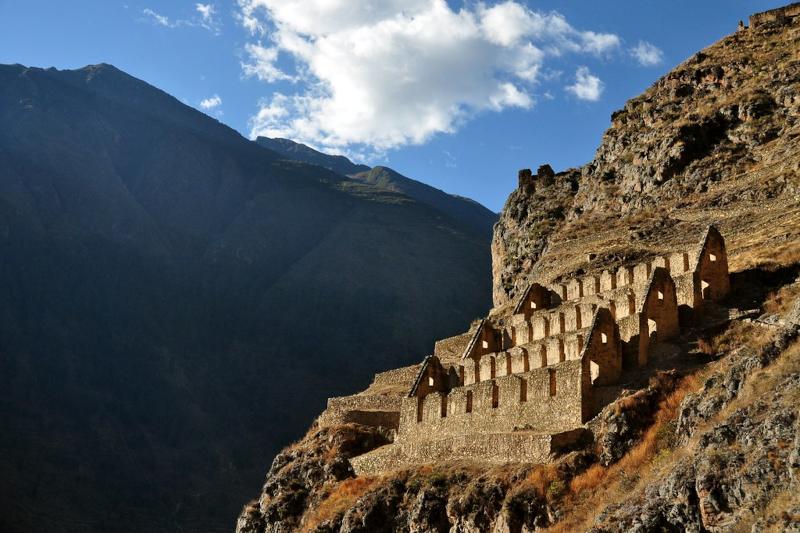
But if you’re on a tight train schedule, skip it. Not because it’s bad—because it’s a time risk. Ask locally about trail conditions and access before you go. Paths and rules can change, and old blog posts don’t get updated when a gate moves.
Small practical tips that save the day
This is the stuff that feels boring until it isn’t.
- Food rules are a thing: Official visitor rules prohibit entering with food. Snack before you go.
- Shoes matter: The stone steps can be uneven, and the down-climb needs focus.
- Sun protection: Hat, sunglasses, sunscreen—yes, even if it’s cool.
- Drone warning: Drones are prohibited without authorization from the cultural authority.
- Train buffer: Aim to be back in town well before departure. Think of it as your personal SLA.
And about guides: you don’t need one. Then again, a good guide can make the site click fast—like having a translator for stone and water. If you like stories and context, it’s worth considering.
How to fit Ollantaytambo into a Machu Picchu trip without stress-eating at the station
The calmest plan is simple: arrive midday, visit the ruins in the afternoon, sleep in Ollantaytambo, and take the train the next morning. That removes the “watching the clock” feeling. It also gives you time to enjoy the town—markets, small restaurants, early morning quiet on the stone streets.
If you’re doing it in one transfer day, keep the plan tight. Choose one or two Sacred Valley stops (not six). Prioritize the ruins. Leave breathing room for lunch, bags, and the station.
One last seasonal note: shoulder seasons (often spring and fall) can feel smoother—fewer crowds, softer light for photos, less line anxiety. Peak season can still be great, but you’ll want more buffer and more patience. Same site, different mood.
Final takeaway
Ollantaytambo is convenient, yes. But it’s also compelling. The terraces, the stonework, the water channels, the valley views—it’s a strong stop that adds meaning to the trip, not just another pin on the map.
Give yourself enough time, confirm ticket details with official sources when you arrive, and keep your plan realistic. You’ll step onto the Machu Picchu train feeling prepared—and a little more connected to what you’re about to see. And honestly, isn’t that the point?


