

Reviewed by Edwin Curahuasi, lead trekking guide at Andean Trekking Peru. Last updated: 26 October 2026.
Quick answer
Yes, you can trek around Cusco from November to March, but choose your route carefully. Machu Picchu, the Sacred Valley and lower treks such as the Inca Jungle trek usually run all season. The Inca Trail is open except in February, when it closes every year. High routes above 4,500 m, such as Ausangate, the Salkantay pass and Rainbow Mountain, can get snow, and landslides have closed Humantay Lake and Choquequirao in recent rainy seasons.
The upside: greener landscapes, fewer people on the trails and much easier Inca Trail permits.
When is the rainy season in Cusco?
The rainy season runs roughly from November to March, and January and February are usually the wettest months. In recent years the rains have often started late and lasted into the first half of April. Above 4,000 m, Peru’s weather service, SENAMHI, warns that rain can fall as hail or snow.
Rain rarely falls all day. Many days start clear, with storms building in the afternoon, which is why rainy-season treks start early.
Which treks work in the rainy season?
| Trek or tour | Rainy-season verdict | Watch out for |
|---|---|---|
| Machu Picchu, Sacred Valley and Cusco day tours | Run all year | Showers and slippery stone steps |
| Classic and Short Inca Trail | Open in January and from March to December; closed all of February | Wet stone steps; permits are much easier to get |
| Inca Jungle trek | Usually runs | Mud, and activities that depend on the weather |
| Lares trek | Usually runs | Cold, wet weather on the high passes |
| Salkantay trek and Humantay Lake | Check before you book | Landslides on the access road, snow at the pass |
| Rainbow Mountain and Palccoyo | Often run, but can close | Snow, and clouds that hide the colours |
| Choquequirao | Check before you book | Temporary closures, steep and muddy trail |
| Ausangate and Quelccaya | Best avoided from December to March | Snow on passes above 5,000 m, very cold nights |
Treks and tours that usually still work
- Machu Picchu and the Sacred Valley. Machu Picchu is open all year, and the train runs through the rainy season. Our Machu Picchu day trip and Sacred Valley tour run in all seasons.
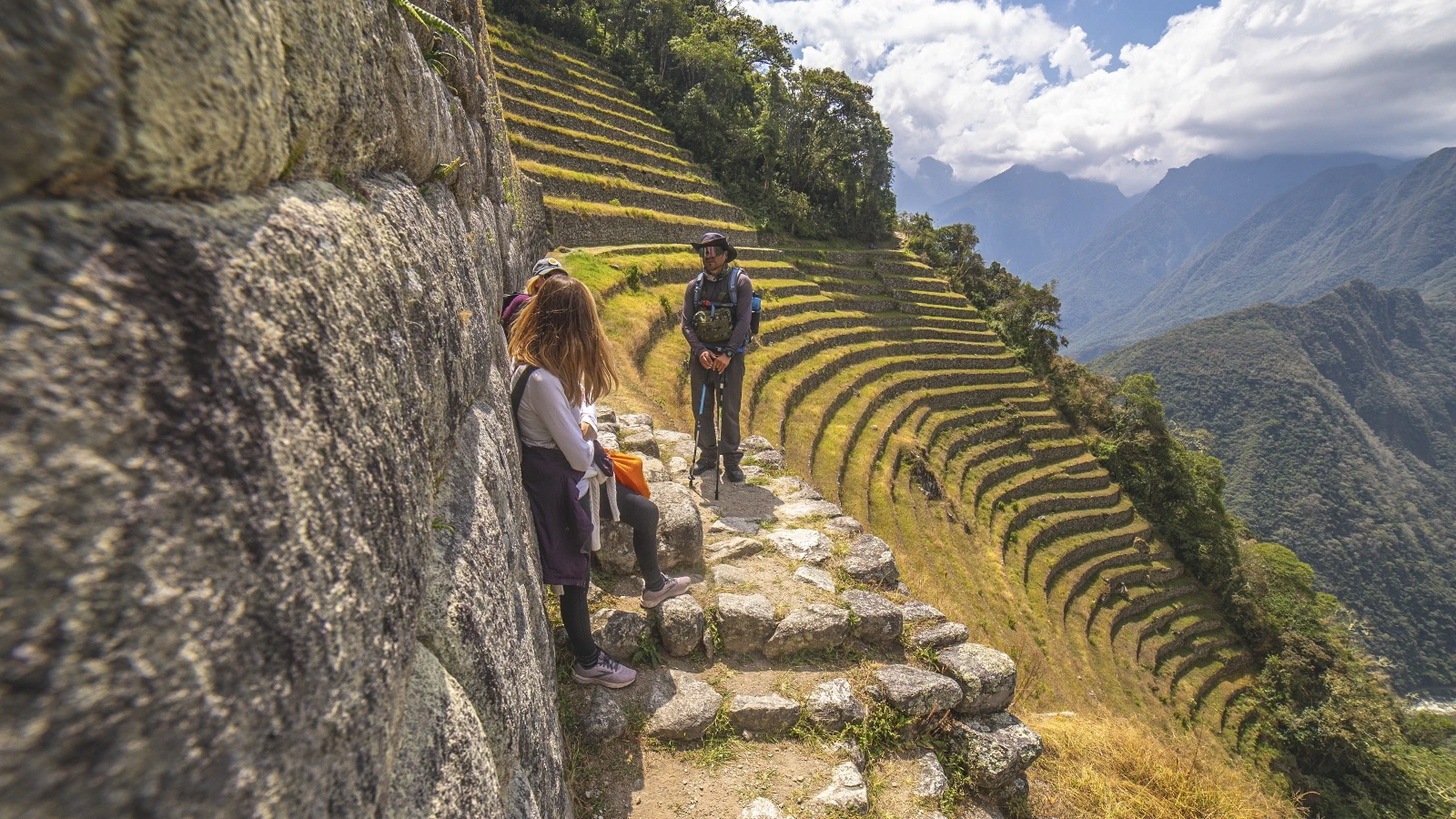
- The Inca Trail, except in February. The Classic Inca Trail and the Short Inca Trail are open in January and March, when permits are much easier to get. The whole trail network closes every February for maintenance. See Inca Trail Permits 2027.
- The Inca Jungle trek. Most of the Inca Jungle trek is at low altitude in warm cloud forest, so rain means mud rather than snow. Activities such as rafting depend on the weather on the day.
- The Lares trek. The Lares trek passes through Andean villages and stays lower than Ausangate, but its passes are still cold and wet.
Treks to check before you book
- Salkantay and Humantay Lake. Both are reached by the road from Mollepata to Soraypampa. A landslide in the Balconpata sector suspended visits to Humantay Lake in March 2025, and another closed it in early 2026. Snow is common at the Salkantay pass (about 4,600 m).
- Rainbow Mountain (Vinicunca) and Palccoyo. At about 5,000 m, Rainbow Mountain often gets snow and cloud. In February 2026, regional authorities considered closing it because of persistent rain and snowfall. Palccoyo has a shorter walk if the weather is uncertain.
- Choquequirao. Visits to the Choquequirao archaeological park were suspended for 30 days from 1 February 2026, and its access roads were closed.
- Ausangate and Quelccaya. Every camp on Ausangate is above 4,400 m and the passes reach about 5,200 m, so from December to March expect snow and very cold nights. The long road to the Quelccaya glacier is also harder in the rain. Compare high routes in Ausangate or Salkantay: Which Trek Should You Choose?
How to plan a rainy-season trek
- Leave a buffer day in your itinerary in case a route closes or a road is blocked.
- Book with an operator that changes plans for safety. A good company will move you to another route rather than take you to a closed site. Cusco’s regional tourism office has said that guides who take tourists to suspended sites will be reported to prosecutors. Here’s how to choose a trekking company in Cusco.
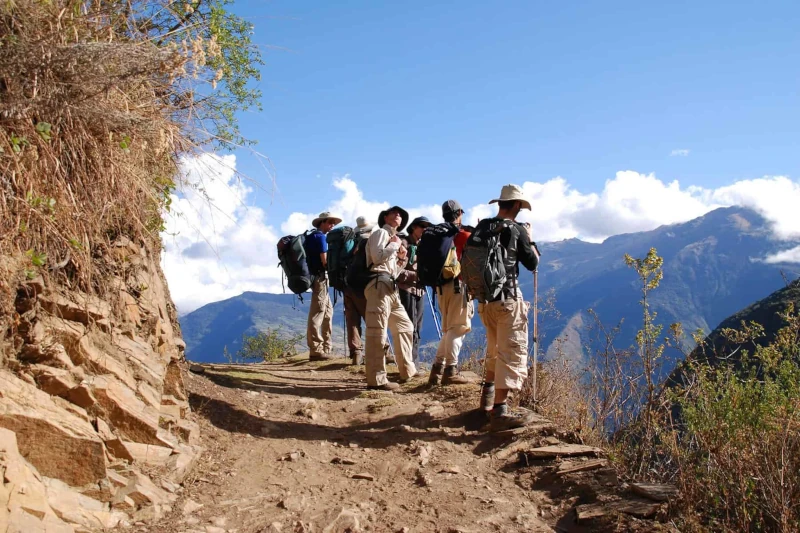
- Pack for rain and cold: a waterproof jacket and trousers, a rain cover for your backpack, dry bags, warm layers and boots with good grip. Trekking poles help on wet stone steps.
- Start early. Mornings are often clearer, and you avoid afternoon storms on exposed passes.
- Get travel insurance that covers trip changes and emergency evacuation.
The upside of trekking in the rainy season
The mountains are green, waterfalls are full, and trails and campsites are much quieter. Inca Trail permits for January, March, November and December usually last longer than those for the dry season, so you can often book with only a few months’ notice.
Plan your rainy-season trek with Andean Trekking Peru
Conditions change from week to week in the rainy season. Ask us which of our treks are running on your dates, or message us on WhatsApp, and we will suggest the best route for the weather.
Trekking in Cusco in the rainy season: frequently asked questions
Roughly from November to March, with January and February usually the wettest months. In recent years the rains have often lasted into the first half of April.
Yes, in January and from March onwards. The Inca Trail network closes every February for maintenance, and no February permits are sold.
Yes. Machu Picchu is open all year, and trains run through the rainy season. Bring a rain jacket, as showers are common.
Usually, but expect cold, snow and clouds that can hide the colours. Authorities can close the site after heavy snow or rain, as they considered in February 2026.
Lower routes such as the Inca Jungle trek, the Lares trek, the Short Inca Trail (except in February) and Machu Picchu day trips. High routes such as Ausangate are best left for the dry season.
A waterproof jacket and trousers, a backpack rain cover, dry bags, warm layers, a hat and gloves, and boots with good grip. Trekking poles help on wet stone steps.


