
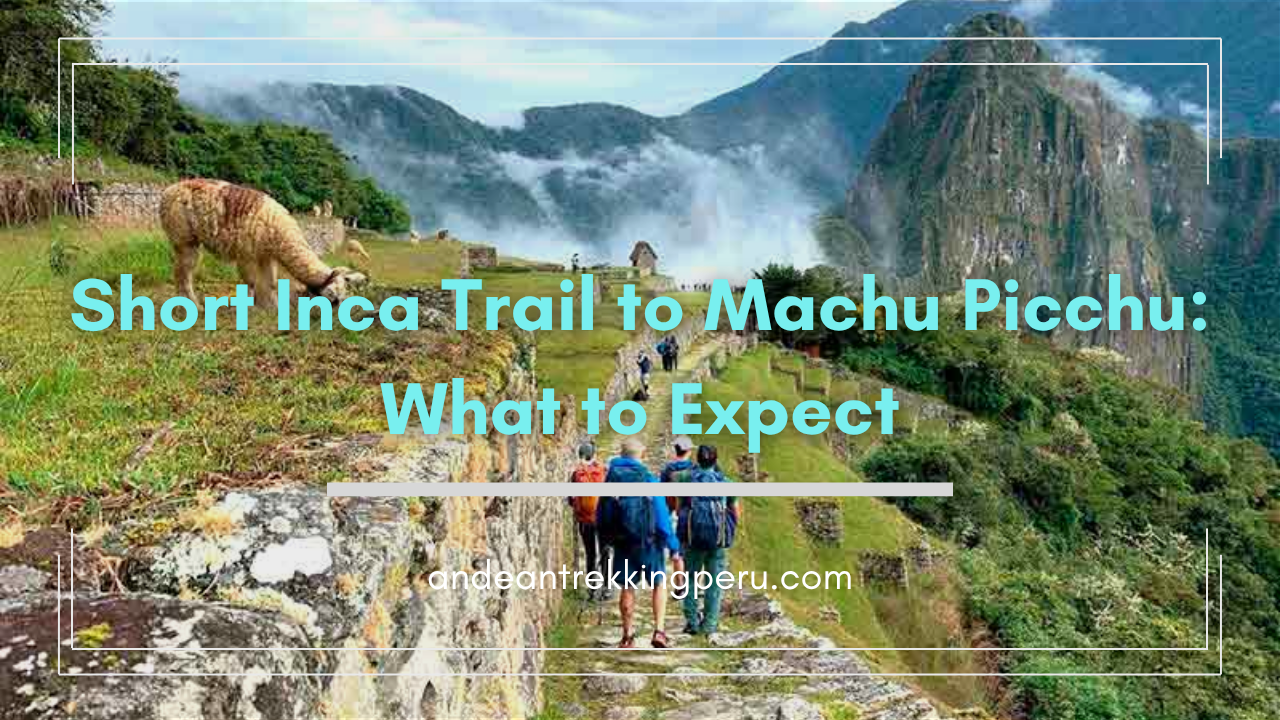
So you want a Machu Picchu hike, but you don’t want four days of camping, sore hips, and a backpack that feels like a small refrigerator. Fair. The Short Inca Trail to Machu Picchu is basically the “greatest hits” version of the famous route: a real chunk of ancient stone trail, a few jaw-drop ruins, cloud-forest vibes, and that classic walk in through the Sun Gate moment.
It’s also a pretty clean way to balance adventure with comfort. You get the sense of arriving on foot (which feels different, in a good way), but you still sleep in a hotel. Best of both worlds, right?
Quick reality check: is this trail your kind of fun?
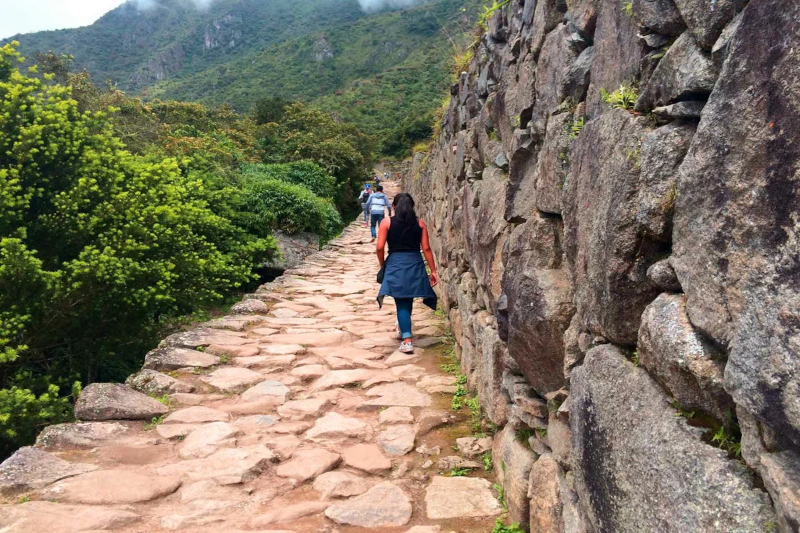
Let’s do a quick fit test. The short route is usually about 10–11 km (6–7 miles) of hiking on Day 1, plus lots of steps. Not “easy-breezy,” not “death march.” More like “steady work, big payoff.”
This is a good match if you:
- Want the Inca Trail feel, but not the full multi-day trek.
- Like history, scenery, and a little sweat equity.
- Prefer a bed and a shower to camping logistics.
It’s not a great match if you want total freedom to hike whenever you feel like it. This route needs permits and a licensed guide. Think of it like a regulated job site: you can’t just walk in with a hard hat and good intentions.
What you actually do on the 2 day Inca Trail to Machu Picchu
Most people book this as a 2 day Inca Trail to Machu Picchu package. That name can be a little confusing, so here’s the simple version: you hike in on Day 1, then you tour Machu Picchu on Day 2. The hiking part is mostly one day. The second day is for the citadel visit, photos, and the “wait, this is real” feeling.
Day 1: Train, trailhead (Km 104), ruins, Sun Gate, then town
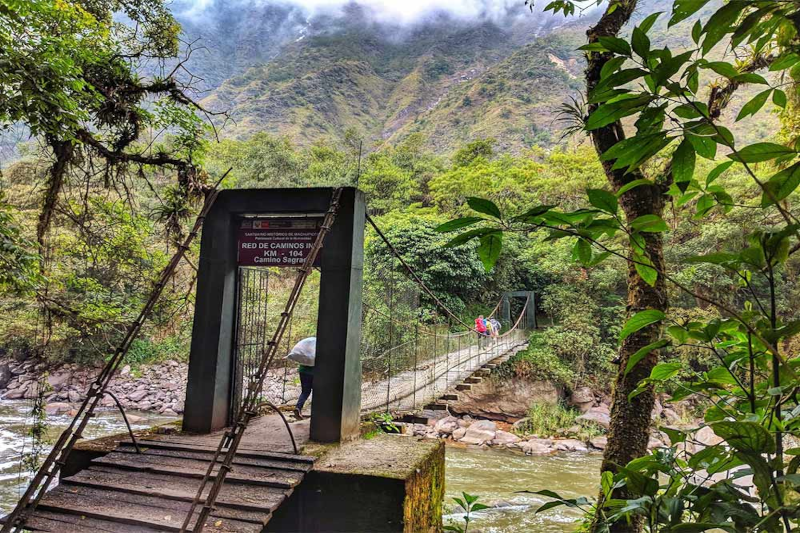
Your day starts early. Like, “why is the sun still asleep?” early. You’ll take a train toward the trailhead, often called Km 104 (also known as Chachabamba). After a checkpoint, you’re on the trail.
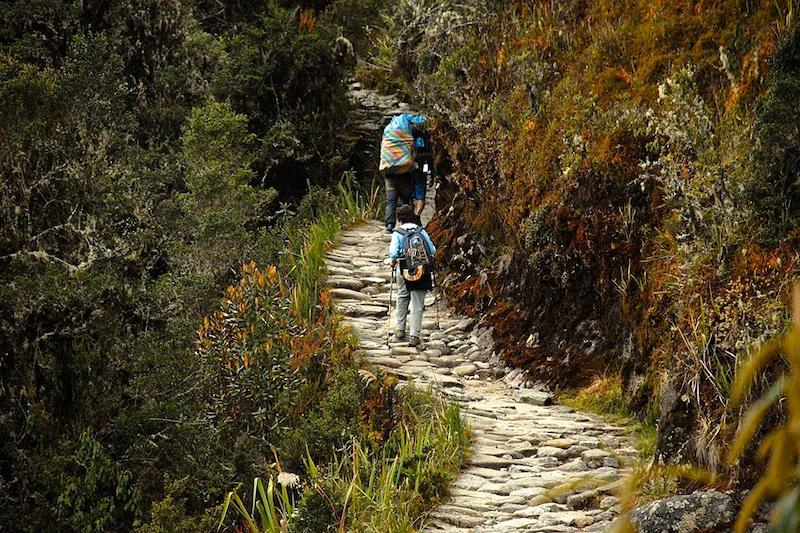
And the trail gets serious pretty fast. You’ll climb through green jungle-like hillsides, with stone steps that feel like a StairMaster designed by an empire. But then you pause, look down at the river, and it’s all worth it.
Along the way, you’ll hit a couple of big highlights:
- Chachabamba: a small site near the start that’s a nice warm-up for what’s coming.
- Wiñaywayna: terraces, stonework, and one of the most memorable spots on the route.
- Intipunku (Sun Gate): your first classic view of Machu Picchu from above.
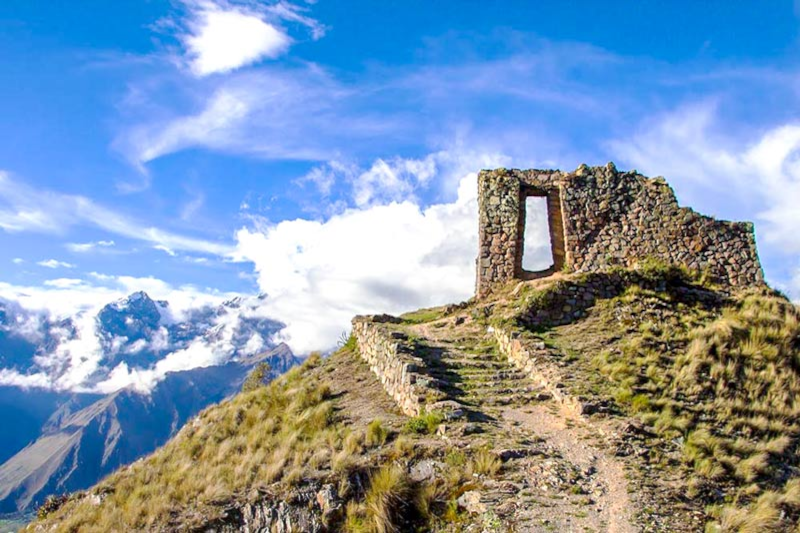
That Sun Gate moment? It lands. You’ve earned it. And you’ll probably go quiet for a minute, even if you’re not a “go quiet” person.
After that, you head down and finish the day by going to Machu Picchu Pueblo (Aguas Calientes) to sleep. Food, shower, bed. The comfort deliverable is delivered.
Day 2: Machu Picchu, guided circuit, and the “don’t drop your phone” stairs
Day 2 is your guided visit of Machu Picchu. Entry is timed, and routes (often called circuits) are set. Your guide will walk you through the big ideas: what you’re looking at, why it’s built that way, and how the place works as a system.
Here’s a helpful mindset: treat this like a site walkthrough at work. You’ll get more out of it if you ask questions. Why is that stone cut like that? What’s with the terraces? How did water move through the site? Little questions turn into big “aha” moments.
After the visit, you’ll head back to town, then take the train back toward Cusco or the Sacred Valley.
Okay, but how hard is the Inca Trail (short version)?
If you’re Googling how hard is the inca trail, you’re not alone. People want the truth, not the brochure.
For most travelers, the short route feels moderately hard. The distance is doable, but the combo matters:
- Steps (lots of them)
- Altitude (you’ll feel it, even if you’re fit)
- Heat and humidity in the forest sections
- Uneven stone that makes your ankles pay attention
Here’s the good news: you skip the highest mountain pass that makes the classic Inca Trail famous (and infamous). So yes, it’s a challenge, but it’s not the hardest version of the story.
If you want a low-drama prep plan, do this for a few weeks:
- Walk hills or stairs 2–3 times a week.
- Do one longer walk on weekends.
- Practice with a light daypack.
Nothing fancy. Just time on your feet. That’s the KPI that matters.
Altitude: the sneaky variable nobody can “tough out”
Let’s take a quick detour, because altitude is the quiet project risk. Cusco is high. Your body needs time to adjust. If you fly in and sprint into a hike, you might feel like your lungs filed a complaint.
A few practical tips:
- Arrive early if you can. Even 1–2 days helps.
- Hydrate like it’s your job. Small sips often.
- Go easy on alcohol the first couple nights. Your future self will thank you.
- Eat simple meals. Heavy food can feel heavier at altitude.
And yes, you’ll see coca tea around. People have opinions. The main point is: respect altitude. It’s not personal. It’s physics.
Permits and guides: the unglamorous part that makes the trip work
The Short Inca Trail is regulated. You can’t buy a permit at the gate like it’s a theme park. You book through an authorized operator, and a licensed guide leads the hike.
This can feel restrictive, but it also keeps the trail from turning into chaos. Think capacity planning. There’s a reason the experience still feels special.
When you’re choosing an operator, get crisp on the scope. Ask:
- Is the Inca Trail permit included?
- Which Machu Picchu entry ticket and circuit is included?
- Are train and bus tickets included?
- What meals are included on Day 1?
- Where do pickup and drop-off happen?
- How big is the group?
If answers are vague, press a little. You’re not being “difficult.” You’re doing good due diligence.
Packing for a short hike to Machu Picchu (without overpacking)
Pack light. Seriously. Extra weight feels fine at breakfast and terrible by lunch.
Bring a small daypack and keep it simple:
- ID/passport (you’ll need it for checkpoints)
- Water (bottle or hydration bladder)
- Rain layer (jacket or poncho)
- Sun protection (hat, sunscreen, sunglasses)
- Light snacks (ask your operator what’s allowed)
- Blister care (bandages or moleskin)
- Bug repellent (cloud forest has opinions)
- Phone/camera + a small waterproof bag
Footwear matters more than people admit. Use shoes you’ve already worn on long walks. New shoes are a gamble, and this trail is not the place to “see how it goes.”
Weather: one trail, four seasons, zero guarantees
The Machu Picchu zone sits where mountains meet jungle. Translation: weather changes fast. You can start cool, hike in warmth, hit mist, and finish in light rain. Sometimes all before lunch.
In general, April to October is drier and busier. November to March is wetter and greener. But don’t treat that as a rule. Treat it as a trend.
One small trick: keep your rain layer near the top of your pack. If it’s buried under snacks and sunscreen, you’ll get soaked before you find it. Ask me how I know.
Little trail habits that make a big difference
This section is less romantic, more practical. But these tiny choices can change your day.
- Start slow. The trail’s not a race, and you’ll want energy later.
- Short steps on steep parts. It’s easier on your lungs.
- Watch your footing on wet stone. It’s slick.
- Snack before you’re starving. Energy crashes are real.
- Take breaks on purpose, not only when you’re forced to.
And here’s a gentle reminder: stay on the trail. It protects the site, the plants, and the whole operation. Plus, nobody wants to be the person who turns a dream trip into an incident report.
How this compares to a classic Machu Picchu tour (and why that matters)
A standard Machu Picchu tour is often train + bus + guided visit. It’s efficient and comfortable. It’s also great if hiking isn’t your thing.
The short trail adds one powerful element: arrival. You don’t just “show up.” You approach, you move through landscape, ruins, and time. It’s hard to explain, but you feel it.
That said, it’s still a packaged experience with timed entries and logistics. If you like structure, you’ll love it. If you hate structure, you’ll need to make peace with it. Just a little.
Small digression: the train ride is part of the magic
People talk about the trail (fair), but the train ride deserves some credit. You roll along the river, through steep valley walls, and into a greener world. It’s like watching Peru shift gears in real time.
If you’re the kind of person who likes “context,” look out the window and notice the change in plants, the cliffs, the way towns thin out. It sets up the hike. It’s the opening scene.
So… is the Short Inca Trail to Machu Picchu worth it?
If you want a short inca trail to Machu Picchu experience that feels active, historic, and personal, this is one of the best options on the menu. You get a real trail, real ruins, and a real sense of momentum. Not just a photo stop.
And when you finally see Machu Picchu from above, after the climb, you’ll probably think: Okay. Now I get it.
Plan well, pack light, respect altitude, and keep your expectations grounded. Do that, and the short route can be the highlight of your whole trip—challenging enough to feel earned, comfortable enough to enjoy, and memorable in that quiet, lasting way.


