
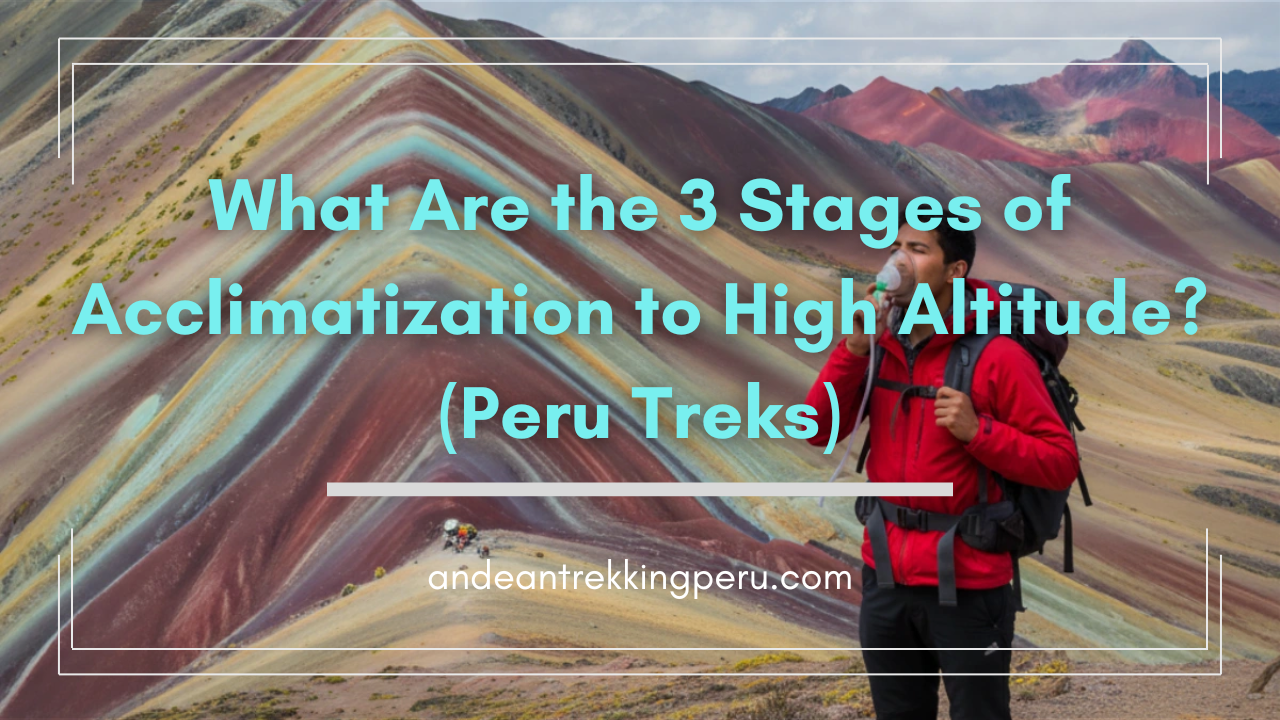
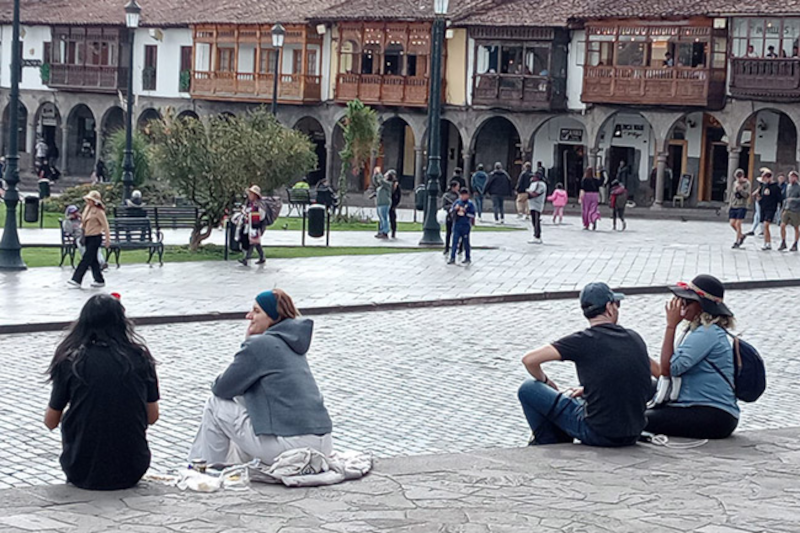
You step off the plane in Cusco. The sky looks closer. The stairs look steeper. And your lungs go, “Wait—where’d the oxygen go?” That’s high altitude acclimatization in real time: your body running a fast little change-management project because the air is thinner.
People often ask, what are the 3 stages of acclimatization to high altitude? A simple, useful way to frame it is:
- Stage 1: the first-hours response (your “startup mode”).
- Stage 2: the first-days adjustment (your “stabilize the system” phase).
- Stage 3: the longer adaptation (your “steady operations” phase).
It’s not a magic switch. It’s messier than that. But this three-part model helps you plan your pace for trips like the Salkantay route, Ausangate treks, or the Inca Trail—and it helps you spot trouble early.
First, the key idea (and it’s annoyingly simple)
At altitude, there’s less pressure pushing oxygen into your blood. The oxygen percentage in the air doesn’t change much, but the “push” does. So each breath gives you less usable oxygen. Your body responds with a bunch of small tweaks—some fast, some slow—so your brain, muscles, and organs keep getting what they need.
Think of it like showing up to a job where the Wi‑Fi is weak. Same tasks. Slower connection. You can still get things done, but you’ll need a new rhythm.
Stage 1: The “startup mode” (first hours)
This stage starts soon after you arrive. You haven’t hiked a pass yet. You may not have even found your hotel. But your body is already making changes.
What you might notice
You may feel fine sitting down, then oddly winded walking one block. You might get a mild headache. Your sleep can feel choppy. Your appetite might dip. None of that is “proof” you’re sick. It’s often your body saying, “Give me a minute.”
What’s happening under the hood (simple version)
- Your breathing rate rises to pull in more oxygen.
- Your heart rate can jump too. Your body is increasing delivery.
- Your oxygen saturation (SpO2) often drops compared with sea level.
If you wear a Garmin, an Apple Watch, or a fingertip pulse oximeter, this is when the numbers can surprise you. But here’s the tricky part: numbers are data, not a verdict. How you feel—and how that changes over time—matters more than one reading.
What to do (the boring stuff that works)
This is where altitude sickness prevention starts. Not with some heroic hack. With pacing.
- Keep day one light. Sightsee, stroll, sit in a plaza. Save the “let’s crush a hike” energy for later.
- Skip the early alcohol. It can mess with sleep and muddy the symptom picture.
- Hydrate normally. Drink to thirst. Pale yellow urine is a decent quick check.
- Eat simple carbs. Rice, potatoes, soup—easy fuel when your stomach feels picky.
And yes, you may hear conflicting advice. “Drink tons of water!” “No, drink less!” Mild contradiction time: you do need fluids, but you don’t need to flood yourself. Overdrinking can make you feel worse. Aim for steady, normal intake.
Stage 2: The “stabilize the system” phase (first days)
Stage 2 is the classic acclimatization window: the first 2–5 days at a given elevation, especially once you’re above roughly 2,500–3,000 meters. This is when you often feel a bit better each day—if you don’t rush the process.
What you might notice
Walking becomes easier. Your breathing still feels deeper than usual, but less dramatic. Headaches (if you had them) may fade with rest. Sleep can still be weird, though—lighter, more wake-ups, some vivid dreams.
And this is also when mild acute mountain sickness can show up. The common combo is: headache plus one or more of these—nausea, dizziness, fatigue, poor appetite, restless sleep.
Here’s the question to ask yourself: Are my symptoms improving, staying the same, or getting worse? That trend line is your risk dashboard.
What’s happening under the hood (still simple, but a bit nerdier)
- You keep ventilating more. Your body sets a new breathing “baseline.”
- Your kidneys start shifting fluid and acid-base balance so you can breathe more without feeling off.
- Your blood volume can change. You may pee more. That’s common.
This is why “I’m peeing a lot, so I must be dehydrated” can be misleading. Some extra urination is part of the adjustment. You can still get dehydrated, sure—but the solution isn’t panic-chugging. It’s steady intake and steady pacing.
A digression that matters: sleeping altitude is the real boss
People obsess over the highest point on the route. Fair. It’s dramatic. It’s a photo. But the altitude where you sleep can matter more for how you feel the next day.
That’s why itineraries that “climb high, sleep low” can feel friendlier. You might hike up to a viewpoint, then come back down for the night. Your body gets the stimulus, then it gets a chance to recover.
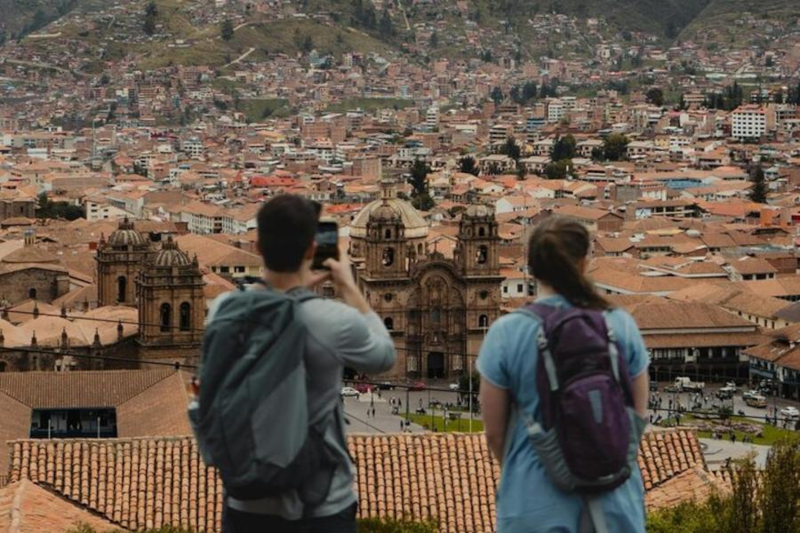
For Peru travel, this is where planning gets strategic. Cusco altitude is high enough to trigger symptoms in plenty of people, especially if they flew in from sea level. Some travelers feel better spending a night or two in the Sacred Valley first, since it’s lower, then moving up to Cusco. Not always possible. But it’s worth knowing.
Altitude sickness prevention: the “go/no-go” rules
This is basic risk management. If symptoms are mild and improving, you can often continue with caution. If symptoms worsen, you don’t go higher. Period.
Be extra cautious if you notice:
- Headache that won’t ease with rest and normal pain relief
- Repeated vomiting
- Confusion, clumsiness, or stumbling that feels “off”
- Shortness of breath at rest
Those are not “power through” signals. They’re “pause and get help” signals. On a guided trek, tell your guide early. They’ve seen this before, and timing matters.
Stage 3: The “steady operations” phase (weeks, sometimes longer)
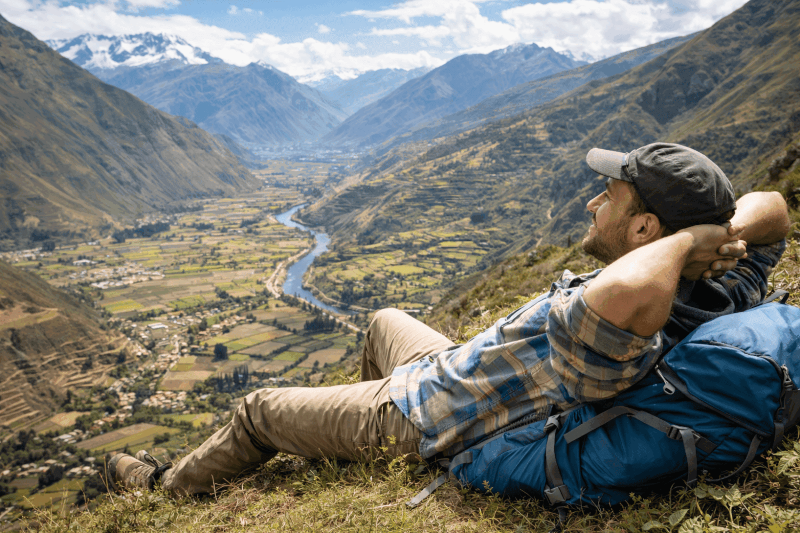
Stage 3 is the longer adaptation. This is when people who stay at altitude for weeks—guides, porters, athletes doing altitude training, long-term travelers—often notice that life feels more normal.
What you might notice
Your pace becomes steadier. Your appetite and sleep often settle. Long climbs still feel hard (because they are), but they stop feeling mysteriously hard.
And here’s another mild contradiction: you can feel much better at altitude and still not perform like you do at sea level. Both things can be true. You adapt, but the ceiling stays lower.
What’s happening under the hood (the headline changes)
- Your body produces more red blood cells over time (a process driven by erythropoietin).
- Your muscles get better at using oxygen efficiently.
- You learn pacing. That sounds soft, but it’s real physiology plus good judgment.
This is why altitude training is a thing—though it’s also why it can go sideways if you stack too much intensity too soon. Workload management matters. Recovery matters. Sleep matters. Your ego does not matter (sorry).
So… how does this play out on real treks like Salkantay, Ausangate, and the Inca Trail?
Let’s get practical. Routes like Salkantay and Ausangate can push you over high passes, often well above where many people have ever slept. The Inca Trail has high points too. If you start those routes right after landing, you’re basically asking your body to run Stage 1, Stage 2, and a hard workout at the same time.
Can it work? Sometimes. People do it. But it’s a higher-risk plan.
A calmer approach looks like this:
- Arrive. Give yourself a low-effort day.
- Adjust. Add an easy walk and a normal night’s sleep (or two).
- Test. Do a gentle hike before you commit to a remote, high pass day.
- Then trek. Keep the first hard day honest and measured.
If you’re thinking, “But I’m fit—I train,” cool. That helps your legs. It doesn’t grant immunity from altitude illness. Sometimes the fittest person is the one who pushes past early symptoms because they’re used to discomfort. That’s not toughness. That’s bad data handling.
Little things that make a big difference (without getting weird about it)
Food: carbs are your friend (for a bit)
At altitude, many people do well with carbs, especially early on. It’s easy energy. Also: your appetite may be moody. Plan for that. Bring snacks you’ll actually eat—trail mix, crackers, granola bars. Not “perfect macros.” Just food.
Sleep: expect it to be odd, then it often improves
Altitude sleep can be light and broken at first. You might wake up and feel like you forgot to breathe for a second. It can feel scary. It’s also common. If you’re otherwise okay and symptoms are mild, it often settles as you acclimatize.
If you have sleep apnea or lung issues, talk with a clinician before you go. This is one place where being precise is smarter than being chill.
Meds: useful for some people, not a DIY experiment
Some travelers use medications like acetazolamide to help prevent or reduce symptoms, especially when fast ascent can’t be avoided. That’s a decision for you and a healthcare professional. Don’t copy a stranger’s plan from a comment thread. Your body isn’t their body.
Tea, traditions, and comfort rituals
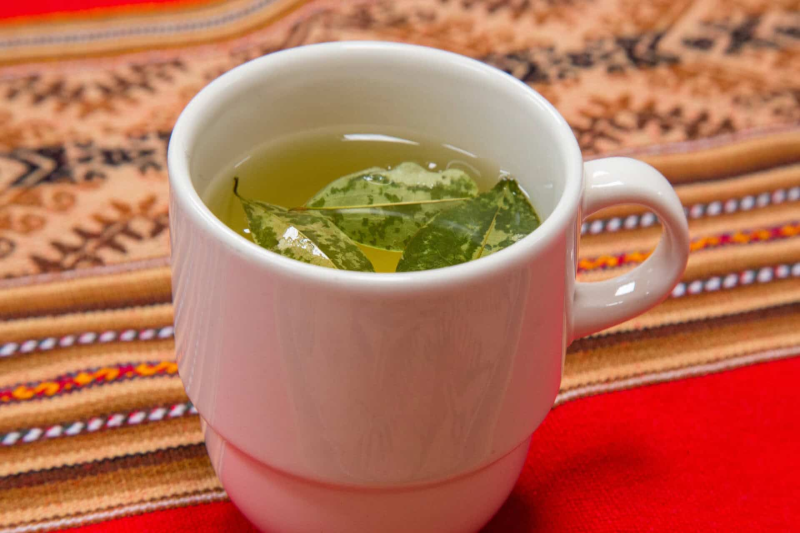
You’ll hear about coca tea in Peru. You may try it. It can feel soothing, and a warm drink can help you relax. But no tea replaces time at altitude. Time is still the main ingredient. Time, pace, rest—repeat that, because it’s true.
Putting it all together: a simple checklist you can actually use
If you want one short framework for altitude sickness prevention, use this:
- Go slower than you think you need to. Especially on day one.
- Don’t climb higher if symptoms are getting worse.
- Respect sleeping altitude. Your nights set up your days.
- Keep it boring early. Save your big push for when you’re stable.
- Speak up. Guides can’t help with what they don’t know.
And if you’re wondering, “Am I overthinking this?” Maybe a little. But overthinking is cheaper than a ruined trek. Plus, when acclimatization goes well, you get to enjoy the good stuff: the sharp light, the cold mornings, the quiet switchbacks, the moment you look up and think, “Okay… this is why I came.”
The takeaway (in plain language)
The 3 stages of acclimatization to high altitude are a timeline:
- Stage 1 (hours): your breathing and heart rate ramp up fast.
- Stage 2 (days): your system steadies; symptoms often improve if you don’t rush.
- Stage 3 (weeks): deeper adaptation kicks in; life feels more normal, though performance still has limits.
Plan your Cusco days and your trek days around that timeline. Give your body a fair shot. High mountains don’t reward panic. They reward patience—and a little humility.


