
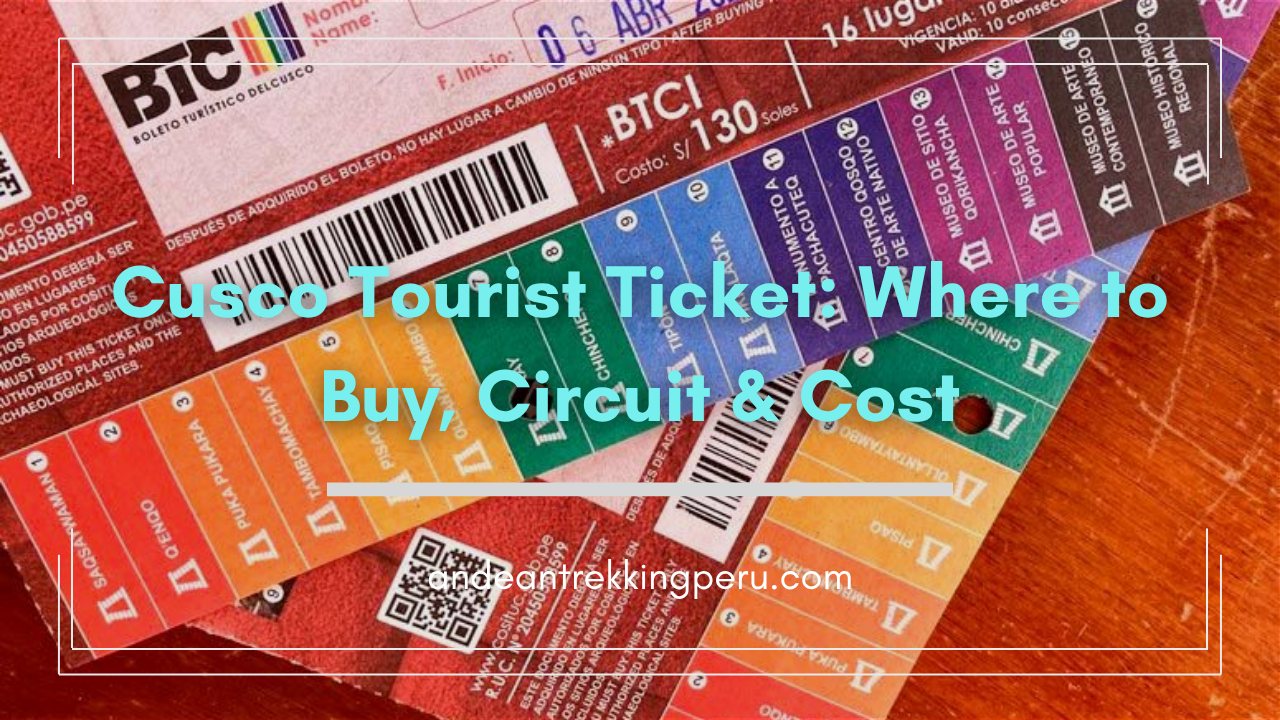
If you’re heading to Cusco, you’ll hear two phrases a lot: “Machu Picchu” (obviously) and “Cusco Tourist Ticket.” The second one sounds boring—like paperwork. But it’s actually a pretty handy pass that can save you time, confusion, and a few “Wait… I need another ticket?” moments.
Locals call it the Boleto Turístico del Cusco. It’s not a tour. It’s not transport. And nope, it’s not your Machu Picchu entry. It’s more like a bundled entry pass for a set of museums and archaeological sites around Cusco and the Sacred Valley.
So… what even is the Cusco Tourist Ticket (Boleto Turistico)?
Think of the Cusco Tourist Ticket as a bundle deal. One purchase, then you flash it at the gate for the places included in the circuit you bought. It’s run through the local cultural administration (you’ll see the name COSITUC around town), and it covers specific sites—mostly the “classic” ones people hit on city tours and Sacred Valley days.
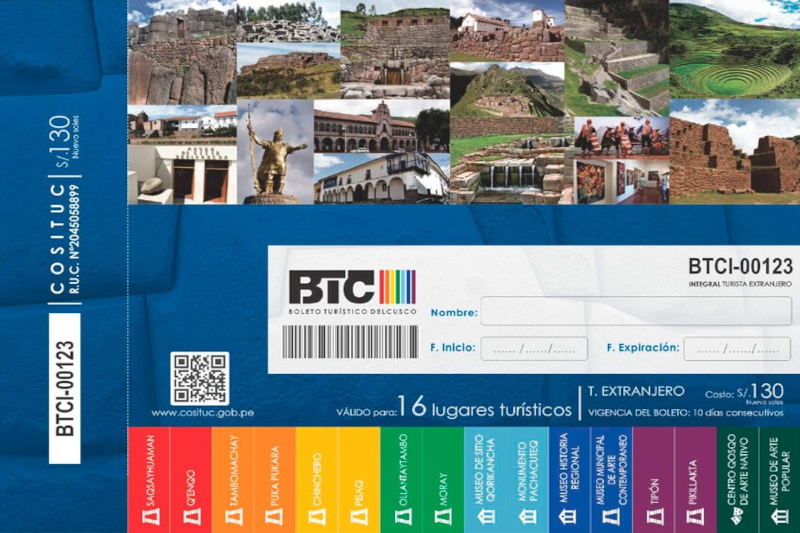
Here’s the clean boundary line:
- It includes: entry to certain museums and ruins around Cusco/Sacred Valley (depending on the ticket).
- It doesn’t include: guides, rides, buses, taxis, trains, snacks, ponchos, or emotional support when you realize altitude is real.
- It’s not: the Machu Picchu ticket.
That last point matters because people plan a Peru itinerary like a project timeline—Cusco, Sacred Valley, Machu Picchu—and assume one ticket covers the lot. It doesn’t. Different system, different entry.
Price and validity (aka: the numbers part)
Let’s talk cost, since cusco tourist ticket price is usually what you’re Googling at 11:47 p.m. while packing. Prices can change, so treat these as a working estimate and double-check when you’re on the ground.
Common tourist categories you’ll see:
- Full ticket (foreigner): often listed around S/130, usually valid for 10 days.
- Full ticket (student discount, when accepted): often around S/70, usually valid for 10 days.
- Partial tickets (one circuit): often around S/70, typically valid 1–2 days depending on the circuit.
And yes—there can be different rates for Peruvians, students, and kids. If you’re hoping for a student discount, bring the original student ID (or ISIC if that’s what’s recognized). A photo on your phone might work… until it doesn’t. And the day it doesn’t? It’s always the day you’re in a rush.
Small digression, but useful: carry cash in soles. Cusco is getting more card-friendly, sure, yet the ticket counters can still feel like they’re running on “cash is king” logic. If you use a travel card app (Revolut, Wise, your bank’s travel card), great—still keep a cash backup.
Full ticket vs partial ticket: plan it like a schedule (but don’t over-plan)
You can plan Cusco down to the minute. Or you can wing it. Both work. The trick is matching the ticket to your style.
The full ticket makes sense if you’ll bounce between Cusco ruins and the Sacred Valley, plus maybe a museum or two. Ten days of validity gives you breathing room—helpful if you’re acclimating, taking rest days, or adjusting plans because weather happens.
A partial ticket is cleaner if you only want one cluster of sites. This is the “don’t pay for what you won’t use” approach. Very CFO energy. Also very fair.
Here’s the part people don’t love hearing: the “right” choice depends less on how many days you’re in Cusco and more on what you’ll actually go see. Not what you might see in an ambitious mood.
The circuits, explained like you’re picking a playlist
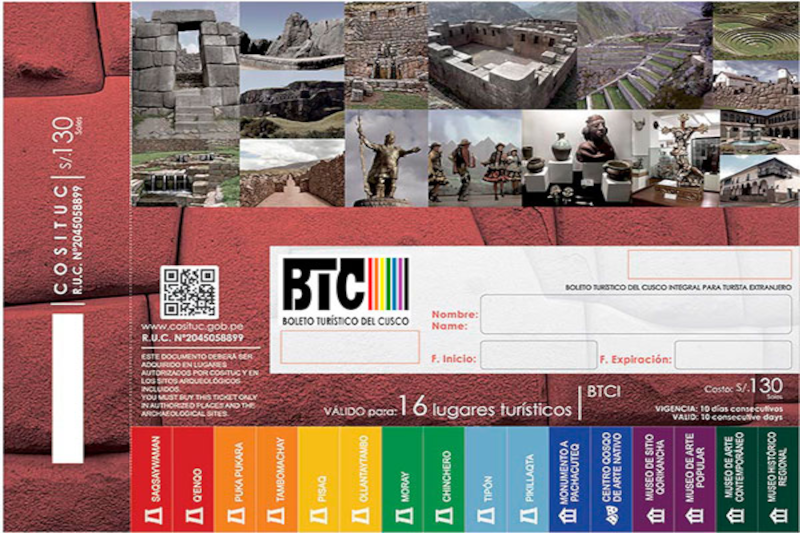
The ticket is organized into circuits—three bundles. They’re not mysterious; they’re just grouped by location and vibe. And once you get it, it’s easy.
Circuit I: the “Cusco city tour” classics
If your plan includes the big ruins right above Cusco, this is your circuit. It usually covers:
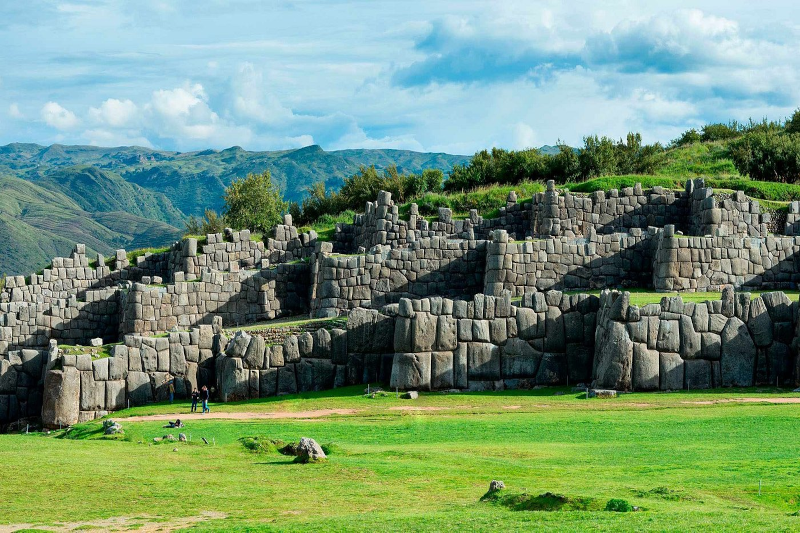
- Sacsayhuamán (the headline act—massive stones, big views)
- Q’enqo
- Puka Pukara
- Tambomachay
This circuit often has a 1-day validity on the partial ticket. Translation: you don’t get much slack. It’s great for a half-day tour or a do-it-yourself taxi loop. But if you wake up feeling like a deflated balloon because altitude hit overnight… you’ll wish you had flexibility.
Quick human note: Sacsayhuamán can be windy and bright. Toss sunscreen in your day bag. Sunglasses too. You’ll thank yourself.
Circuit II: museums + South Valley (a slower, brainier day)
Circuit II usually mixes city museums/cultural spots with the South Valley sites like Tipón and Pikillacta. It’s less “wow, look at that fortress” and more “ohhh, that’s how the region fits together.”
It typically has 2-day validity on the partial ticket, which helps, because these stops don’t all sit next to each other. A good way to handle it:
- Day A: museums in town (easy walking, low effort)
- Day B: South Valley run (more driving, more time)
Here’s a mild contradiction: this circuit can feel “less essential”… and it can also be the one that makes the trip feel richer. Why? Because it fills in the story. If you like context—history, art, how cultures layer over time—Circuit II is your friend.
Circuit III: the Sacred Valley “hits”
If your checklist includes the Sacred Valley icons, Circuit III is the workhorse. It often includes:
This partial ticket often has 2-day validity, which is honestly merciful. The Sacred Valley looks close on a map and then you meet the roads, the traffic, the “quick stop” that turns into a long photo break… you get it.
If you’re connecting to Machu Picchu by train from Ollantaytambo, keep your schedule realistic. It’s easy to turn the day into a sprint. And a sprint at altitude is, well, a choice.
Where to buy (and the “buy cusco tourist ticket online” trap)
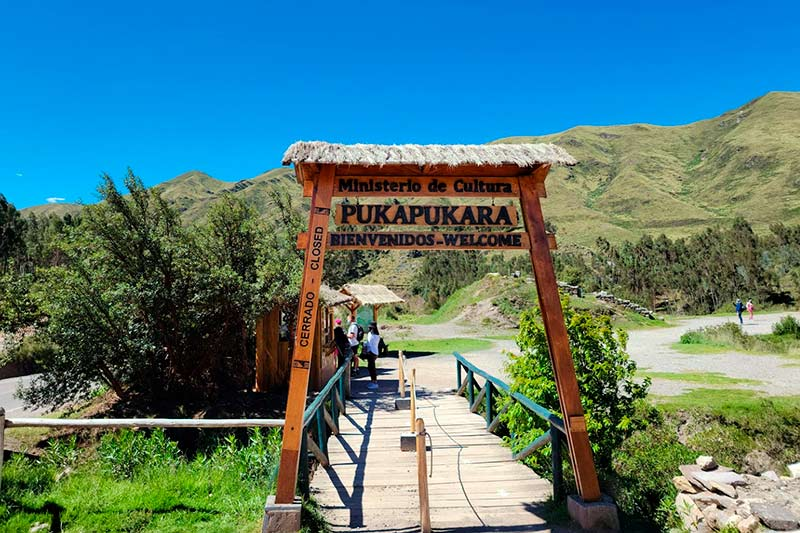
Let’s clear this up: if you’re searching buy cusco tourist ticket online, you’re not alone. Tons of travelers try. The catch is that the official tourist ticket is typically sold in person, through official counters in Cusco and at certain participating sites.
What you can buy online, all the time, is a tour that includes stops requiring the ticket. Some tour companies will tell you to buy it in advance; others will stop so you can buy it at the first site. Ask them. Seriously—just ask. It saves awkward gate conversations.
Bring the basics:
- Passport/ID
- Cash in soles
- Student ID if you’re claiming a discount
Another small logistics digression: screenshot your hotel address and keep WhatsApp handy. Cusco pickup logistics can be… spirited. It’s not chaos, exactly, but it’s not Swiss rail either.
What the ticket doesn’t cover (the budget reality check)
The Cusco Tourist Ticket covers entry. That’s it. So you’ll still want to budget for:
- Transport (tour van, taxi, colectivo, private driver)
- Guides (if you want one—many people do for ruins)
- Machu Picchu tickets and transport (separate system)
- Food, water, tips (the unglamorous but real stuff)
This is where a little “work brain” helps. Think of it like line items on a budget: entry fees are one bucket; logistics are another; guided interpretation is a third. When you separate them, your trip plan gets calmer. Calmer plan, calmer you.
Okay, so which ticket should you get?
If you want a simple rule, here it is: buy the ticket that matches the next two days of your life. Not your fantasy itinerary. Your real one.
- Get the full ticket if you’ll do both Cusco ruins (Circuit I) and Sacred Valley sites (Circuit III), plus anything from Circuit II.
- Get Partial I if you only want the four sites above Cusco.
- Get Partial II if you’re museum-forward or you’re doing Tipón/Pikillacta.
- Get Partial III if the Sacred Valley is your main event.
And if you’re not sure yet? Wait. It’s fine. People feel pressure to “buy everything” on day one. You don’t have to. Cusco isn’t going anywhere.
A sample plan (because blank calendars are stressful)
Here’s a common rhythm that feels good for a lot of travelers—especially if you’re flying in from the United States and altitude might slow you down a bit.
- Day 1: arrive, walk, eat something warm, go easy. Maybe a museum if you feel great. Maybe a nap if you don’t.
- Day 2: Circuit I (Sacsayhuamán and friends). Short travel, big payoff.
- Day 3: Sacred Valley day (Circuit III). Start early, keep snacks handy.
- Day 4: buffer day—add Circuit II elements, shop a bit, do laundry, regroup.
That buffer day sounds unexciting—until you’re grateful for it. Cusco has a way of making you want more time. More time for a long coffee, more time for a slow walk, more time to sit in a plaza and people-watch. It’s not a productivity contest.
Final thoughts (keep it simple, keep it moving)
The Cusco Tourist Ticket is basically a practical pass: choose a circuit (or the full bundle), buy it in person, then use it at the gates for included sites. No magic. No secret handshake.
Still, it can make your trip smoother—especially if you’re hitting the big-name ruins like Sacsayhuamán, Pisac, Moray, or Ollantaytambo. Plan the next couple days, pick the ticket that fits, and leave space for the good stuff: the views, the history, and those random moments that weren’t on your itinerary at all.


