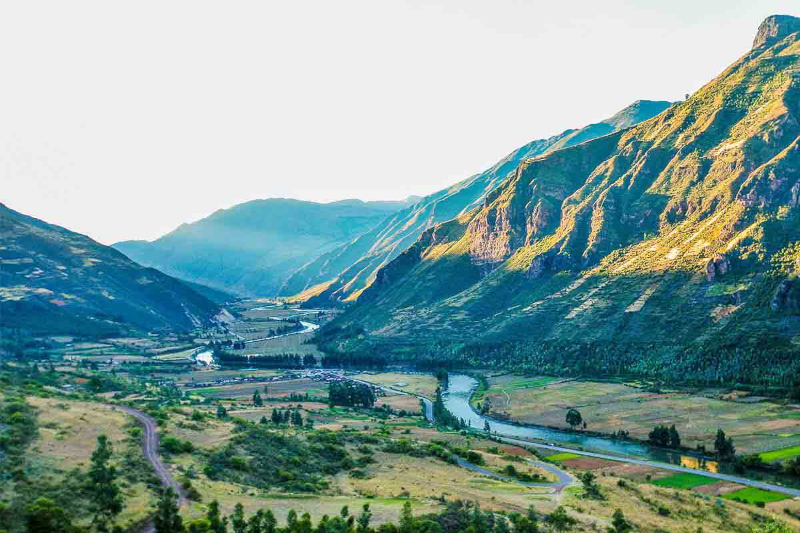
Urubamba Valley has a funny way of changing your plans. You may arrive thinking it’s a quick stop between Cusco and Machu Picchu. Then you take one look at the green slopes and the wide sky. And you start to wonder: why would i rush this?
People call it the Sacred Valley, and sure, that name can sound like a brochure line. But once you’re here, it lands. It’s calm. It’s busy in small ways. And it feels lived-in, not staged.
Urubamba Peru is situated in the Andes region, but not far away from Cusco Peru. The big thing you’ll notice is altitude. Cusco is high—around 3,400 meters (11,152 feet). Urubamba town sits lower, around 2,870 meters (9,416 feet). Know what a small miracle a headache-is-crowded -with- regard-to Cusco can be.
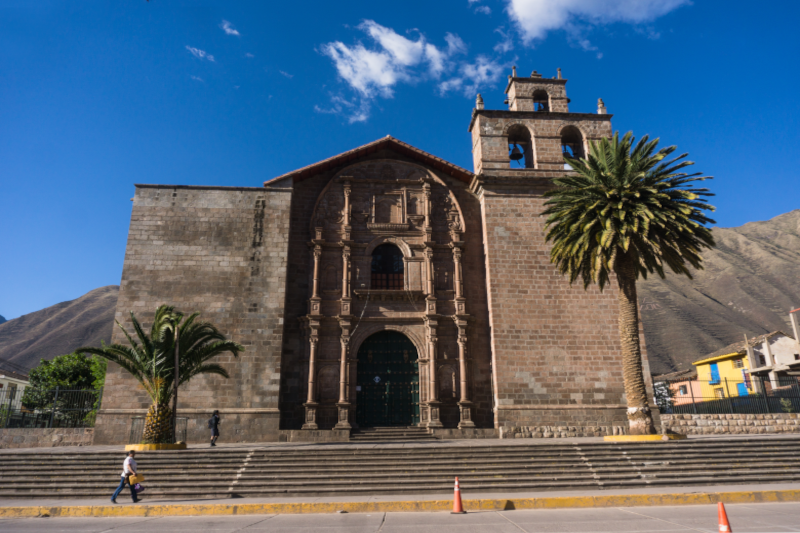
Urubamba town is also practical. It’s a real town with a market, schools, and buses that run on their own schedule. It’s not perfect. But it works. And as a base, it puts you close to a lot of the valley.
Here’s the thing. Most people start in Cusco. And the top questions are simple: how do i get there? and how long will it take?
You’ve got a few common routes:
If you’re searching how to get to Urubamba from Cusco, that’s the short answer. Most rides land around 1.5 to 2 hours. But don’t treat that like a KPI. Roads in the Andes don’t follow your calendar invite. Weather shifts. Traffic bunches up. And sometimes a vehicle stops because… well, because it does.

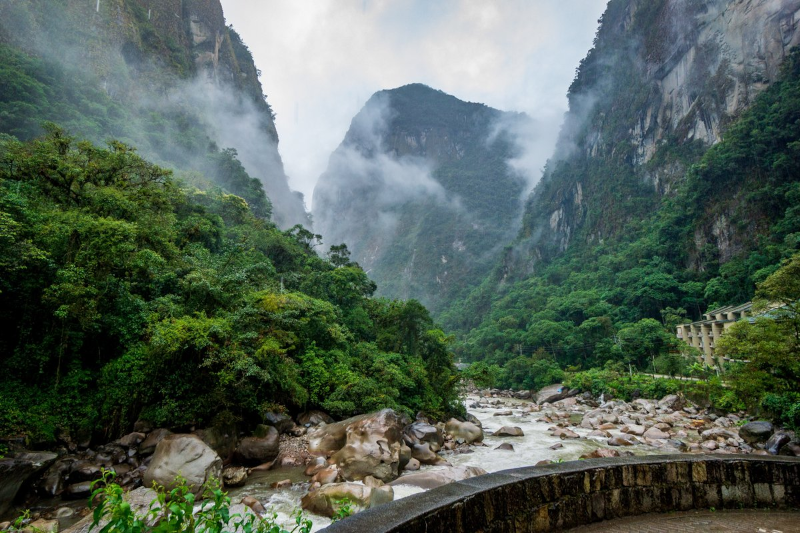
There is a long river, which flows at all times: Urubamba. It will be heard first and then it’ll find someone to look at. One of those noises which slows you down without you realising:
Some travelers go rafting on sections of the river (you may also hear “Vilcanota” for parts of it). If you’re booking a trip, ask what class of rapids the route has. That single detail is the difference between “fun day out” and “why are my hands shaking?”
The Incas valued Urubamba Valley for a basic reason: food. The land here grows things well. That mattered. A lot. If you think in work terms, the valley worked like a supply hub for an empire. Not flashy, but essential.
So that’s why there are a lot of ruins around us. Pisac and Ollantaytambo are two renowned places. Making comparisons with sports teams etc. Both are a good idea, but there’s a distinction between them.
Ollantaytambo is steep and bold. Big stones. Tight angles. Fortress energy. Pisac spreads out more, with terraces and wide views. Want heavy stonework? Go Ollantaytambo. Want a longer walk with a big sky? Go Pisac.
Then there’s Moray and the Maras salt pans. Moray is a set of circular terraces. Many people think it was used to test crops in different conditions. Maras is a grid of salt pools that families still harvest. It’s not a museum piece. It’s work.
Urubamba town has a market that feels like daily life, not a show. You’ll see fruit you can’t name. Bread that’s still warm. And piles of potatoes in colors that look made up.
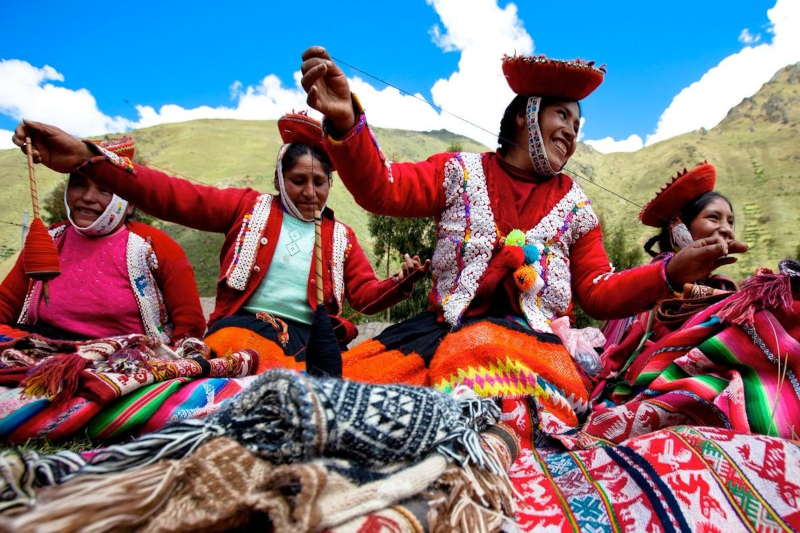
Textiles are a big deal here, too. You’ll see alpaca wool, woven patterns, and natural dyes. If you buy something, ask who made it. It’s a small question. It changes the mood. It turns a purchase into a story.

Small digression, because it matters now: lots of people travel while working. The valley can be good for that, in a strange way. Quiet mornings. A café with decent coffee. A view that makes you rethink your to-do list. But connectivity can be uneven. If you’ve got a video call, have a backup plan.
There are hikes near Urubamba, including routes near Mount Chicón. The views can be great. But altitude changes the effort level. A short climb can feel like a long one.
So pace it. Start small. Then build up. It’s not about being tough. It’s about giving your body time.
The year splits into two main seasons:
April and October can feel like a middle ground. Fewer crowds than peak months, often decent weather, and that fresh green look after rain.
Altitude can hit you even if you’re fit. It’s not a mindset issue. It’s biology.
Drink water. Eat light at first. Sleep when you can. And yes, rest—but don’t stay still all day. A gentle walk can help you adjust. A hard workout on day one often doesn’t.
Coca tea is an indigenous drink in the area, and is very commonly enjoyed by travelers. Guarantee that medical attention is sought out before hiking with the proper altitude therapy.
Bring layers. The sun can feel strong. Nights can get cold fast.

Collectivos, taxis or private car (tour) These are operating very frequently and cheaply as compared to the bus. Private drivers will be more costly but will give you the control. Rides are approximately 1.5 – 2 hours long.
Regarding the question of how far the distance of urubamba to cusco is, it is approximately 50-60km (30-37 miles) via road. This distance depends on the route and the launch point in Cusco, and starts at the Lauriños Tourist information office.
Yes. It’s central in the valley and lower than Cusco. It can make day trips feel simpler. Think of it like a home base for a short plan: one main spot, then clean day trips.
The Urubamba valley isn’t the only route to Machu Picchu. But this is great and one you don’t want to miss! Be patient, take some time in it. Be close to the river Urubamba. Walk through Urubamba town. And let the valley set the pace for once.