The Andes Mountains, the backbone of Peru, stretch over 7,000 kilometers along the western coast of South America. They are not just a geographical feature but a cultural and spiritual symbol that has shaped the history and identity of the region. The Peruvian Andes are home to some of the world’s most spectacular treks and sacred sites, offering a perfect blend of nature and mysticism.
The sheer size and length of the Andes make them one of the most significant mountain ranges in the world. Stretching across several countries, they form an unbroken chain that influences weather patterns. In Peru, the Andes divide the coastal areas from the Amazon basin, creating diverse ecosystems that are rich in flora and fauna.

The Andes are not just a natural barrier; they are a life source. Rivers originating from these mountains provide water to millions of people. The range also contains mineral deposits that have been integral to the economy of Peru. This geographical importance has shaped the cultural and historical development of the Andean civilizations.
The Andes have a profound cultural influence on the people of Peru. Many indigenous communities still live in the highlands, preserving ancient traditions and languages. The mountains are central to their cosmology and spirituality. This deep connection to the land is reflected in festivals, rituals, and everyday life.
The Andes have witnessed the rise and fall of great civilizations, including the Inca Empire. The legacy of these cultures is evident in the archaeological sites scattered throughout the region. For travelers, this cultural richness offers a unique opportunity to engage with living history.
The Andes are a hotspot for biodiversity, home to countless species of plants and animals. The varied climates and altitudes create distinct ecological zones. This diversity is not only an ecological treasure but also a resource for scientific research and conservation efforts.
Conservation is critical in the Andes, as these ecosystems face threats from climate change, deforestation, and mining. Efforts to protect this natural heritage include national parks, community-led conservation projects, and sustainable tourism initiatives. Visitors to the Andes can play a role in these efforts by choosing eco-friendly travel options and supporting local conservation programs.
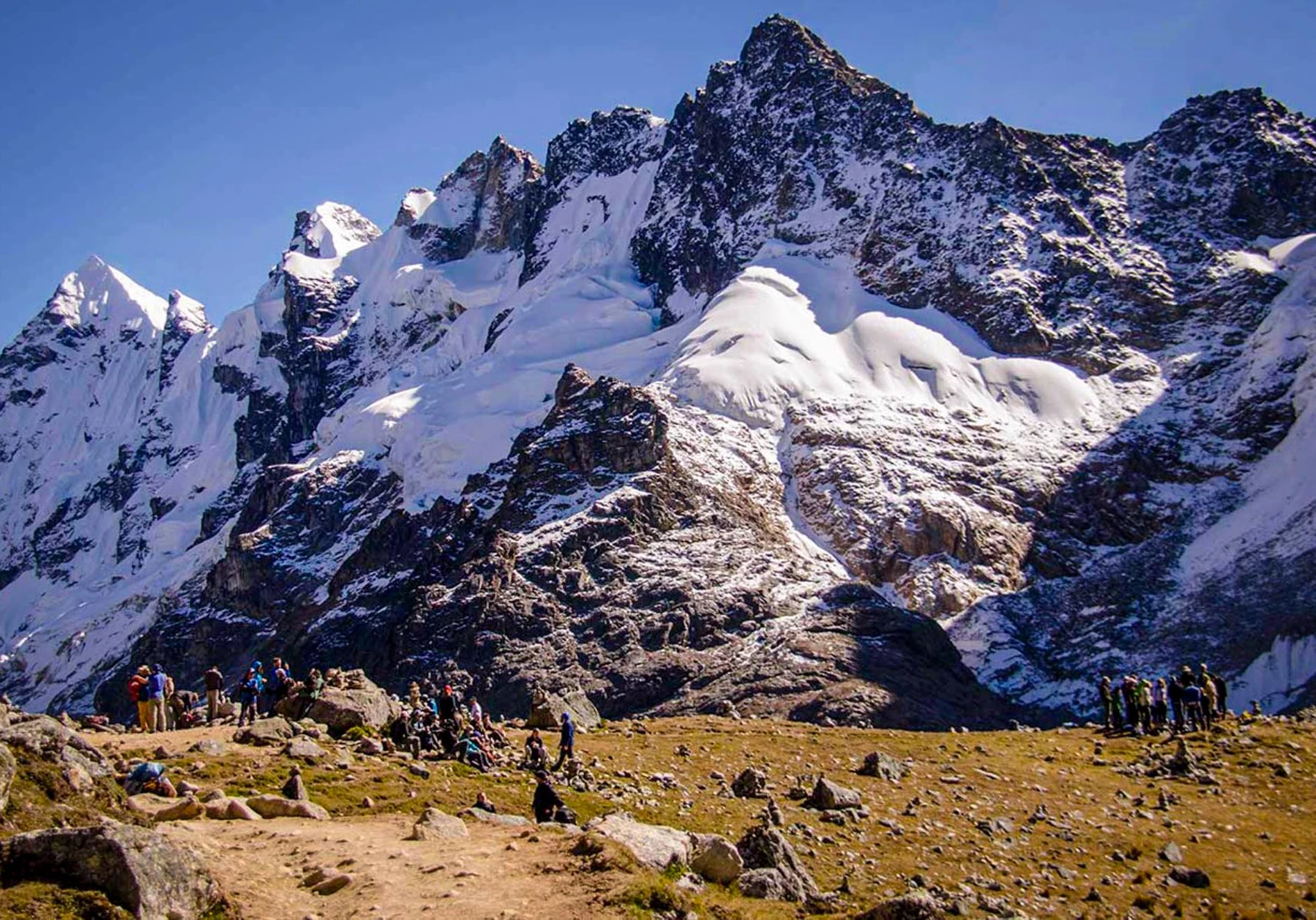
The Salkantay Trek is an incredible alternative to the more famous Inca Trail. A offer less crowded and equally breathtaking route to Machu Picchu. Rising to 6,271 meters, Mount Salkantay is the highest peak in the Vilcabamba Range and holds significant cultural importance to local communities.
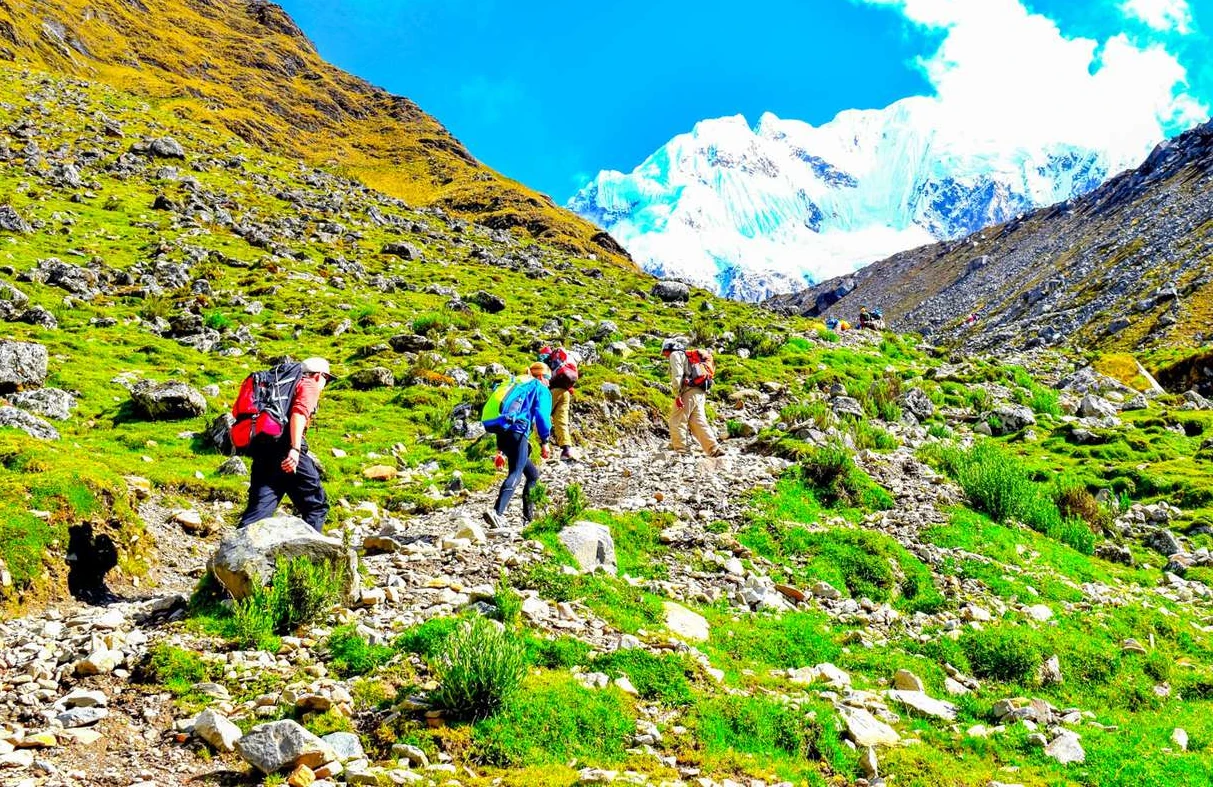
The trek to Salkantay is a journey through diverse landscapes. In fact offering trekkers an intimate encounter with the natural beauty of the Andes. Starting from the town of Mollepata, the trail winds through valleys, across mountain passes, and past remote villages. Trekkers experience a variety of ecosystems, from tropical cloud forests to stark high-altitude plains.
The physical challenge of the trek is part of its allure. Each day presents new landscapes and varying degrees of difficulty. The high point of the trek, both literally and figuratively, is the Salkantay Pass.
For the local Quechua communities, Salkantay is more than a mountain; it is a sacred entity. The mountain is often associated with weather deities. This is believed to influence the surrounding climate and agriculture. Trekkers may encounter traditional offerings or “apachetas,” stone cairns built as a tribute to the mountain spirit.
The cultural encounters along the trek add depth to the experience. Local guides often share stories and insights into the significance of the landscape, providing a richer understanding of the Andean worldview. Participating in these cultural exchanges can be a profoundly moving aspect of the trek.
The Salkantay Trekking offers flexibility, with various routes and durations. For those with limited time, shorter versions of the trek provide a condensed yet fulfilling experience. Many tour operators offer customized itineraries, allowing trekkers to focus on specific interests.
Consideration, with options for different levels of fitness and experience. While the trek is challenging, it is achievable for most with proper preparation and acclimatization. The availability of mule services for carrying gear further enhances the trek’s accessibility.

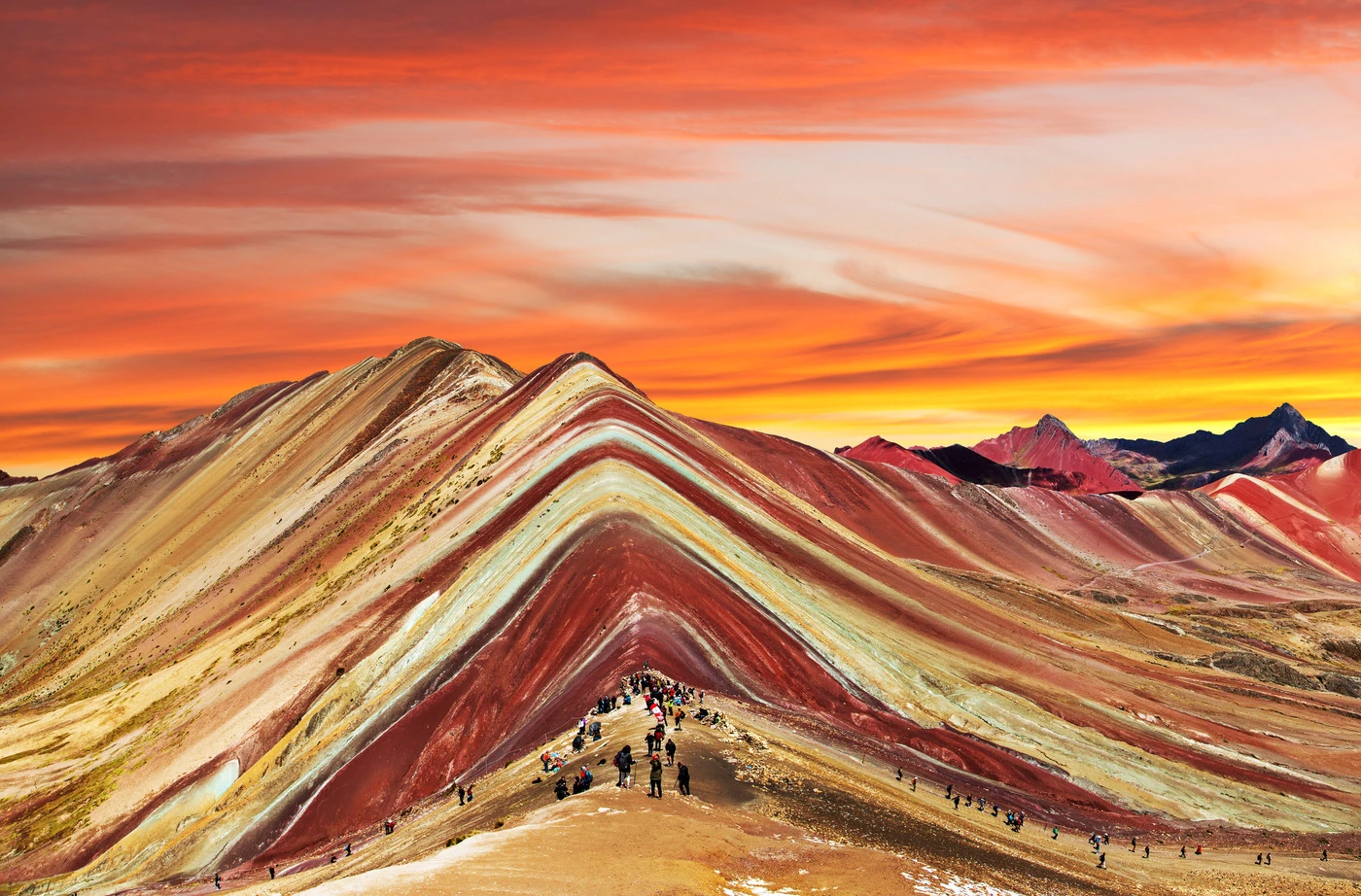
Known as the Rainbow Mountain, Vinicunca has rapidly become one of Peru’s most popular tourist destinations. This natural wonder,famed for its vibrant, multicolored stripes, is a photographer’s dream. The colors are a result of mineral deposits and weathering, creating a stunning visual spectacle.
The striking colors of Vinicunca are a result of complex geological processes. Over millions of years, sedimentary layers rich in minerals like iron oxide, copper sulfate, and sulfur have been exposed by erosion. These minerals give the mountain its distinctive hues, ranging from deep reds to bright yellows and greens, creating a natural masterpiece.
The geological significance of Vinicunca extends beyond its beauty. The formation offers insights into the Earth’s history, revealing clues about past climatic conditions and tectonic movements. For geologists and earth science enthusiasts, Vinicunca is a fascinating subject of study.
The trek to Vinicunca is relatively short but requires careful acclimatization due to its high altitude, reaching over 5,000 meters. Trekkers are advised to spend a few days in Cusco or other high-altitude areas to adjust before attempting the hike. The trek itself is a rewarding experience, with breathtaking views and a sense of achievement upon reaching the summit.
The route to Vinicunca is well-marked and accessible, making it suitable for a wide range of fitness levels. However, the altitude can pose challenges, and trekkers should be prepared for possible symptoms of altitude sickness. Hiring a local guide can enhance the experience, providing support and ensuring a safe and enjoyable trek.
Photography Opportunities
Vinicunca is a photographer’s paradise, offering endless opportunities to capture the mountain’s vibrant colors. The best time for photography is early morning or late afternoon when the light is soft and enhances the mountain’s hues. Photographers should be prepared for changing weather conditions, as clouds and rain can quickly alter the scene.
Capturing the beauty of Vinicunca requires more than just technical skill; it demands patience and an eye for detail. The interplay of light and shadow, the contrast of colors, and the surrounding landscape. For those passionate about photography, Vinicunca is a destination that promises both challenge and reward.
While Vinicunca steals the spotlight, Palccoyo is the under-the-radar gem that offers an equally mesmerizing experience. It’s less strenuous and allows for more leisurely exploration. The area boasts three distinct rainbow mountains, along with a stone forest that adds a mystical touch to the landscape.
Palccoyo offers a quieter and more relaxed alternative to the bustling trails of Vinicunca. The trek is less demanding, with a shorter and more gradual ascent, making it accessible to a wider range of visitors. This makes Palccoyo an attractive option for families.
The tranquility of Palccoyo allows for a more immersive experience, where visitors can take their time to explore and appreciate the landscape. The presence of multiple rainbow mountains means that there is always something new to discover, whether it’s a different angle or a hidden nook in the stone forest.
One of the unique features of Palccoyo is its stone forest, a natural formation of towering rock spires that adds an otherworldly dimension to the landscape. These formations are the result of millennia of erosion and geological activity, creating a striking contrast to the colorful hills.
The stone forest is not only a geological wonder but also a place of cultural significance. Local legends often attribute spiritual meanings to the stones, and they are sometimes used in traditional rituals. Exploring this area offers a chance to connect with both the natural and cultural heritage of the Andes.
Visiting Palccoyo provides an opportunity to engage with local communities and learn about their way of life. Many of the guides and service providers are from nearby villages, offering authentic insights into the Cusco Andean hike. This personal connection enriches the experience, turning a scenic trek into a cultural journey.
Travelers to Palccoyo can also partake in community-based tourism initiatives, supporting local economies and promoting sustainable travel. By choosing to visit this lesser-known destination, visitors contribute to preserving the cultural and natural heritage of the region, ensuring that it remains unspoiled for future generations.

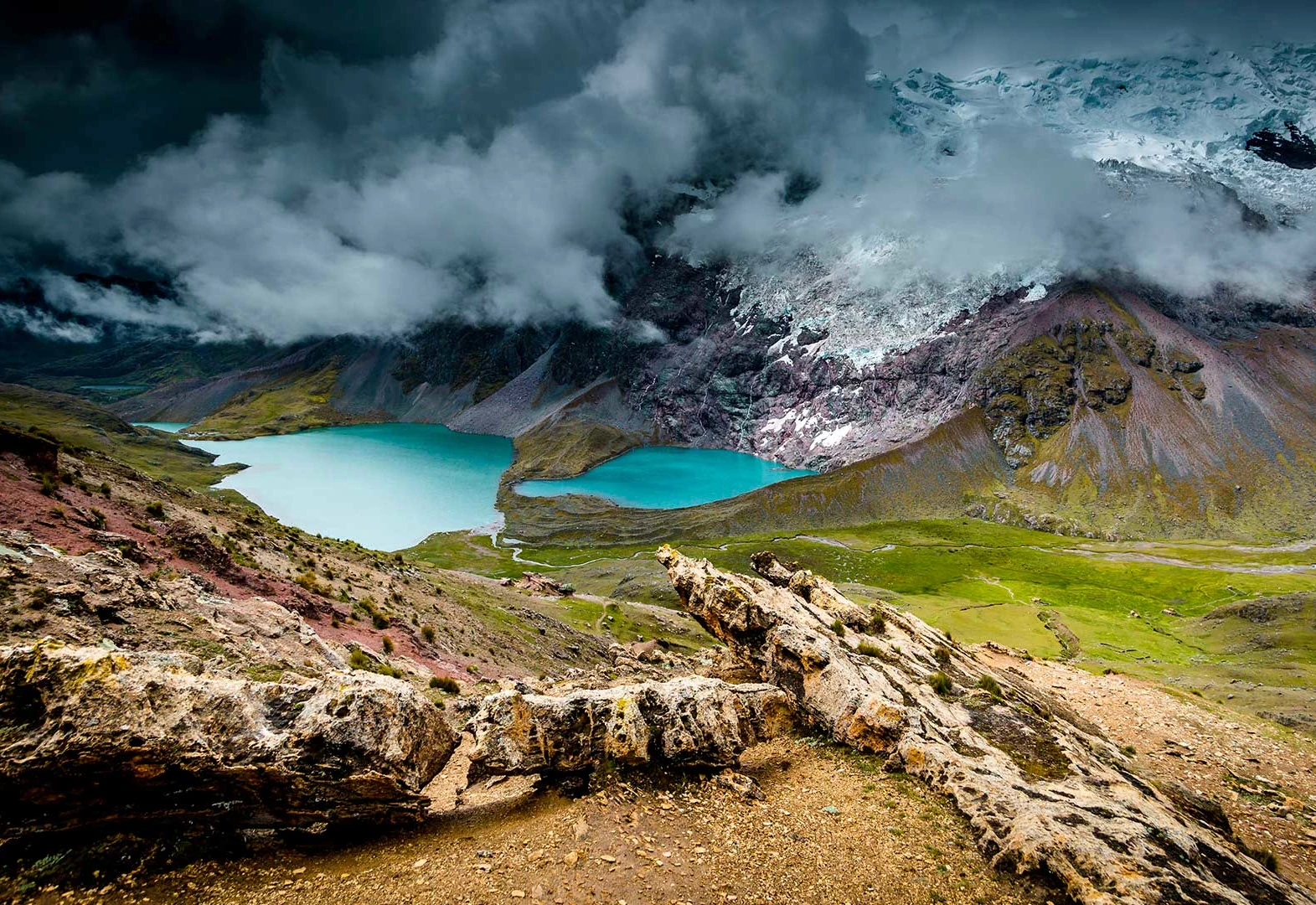
Nestled high in the Andes, Humantay Lake is a pristine glacial lake that reflects the surrounding peaks in its turquoise waters. It’s typically included as a stop on the Salkantay Trek, but it can also be visited as a standalone day trip from Cusco.
Humantay Lake is renowned for its stunning beauty, with crystal-clear waters that change color with the light. Surrounded by towering peaks and lush vegetation. In fact the lake offers a serene and picturesque setting that is perfect for relaxation and reflection. The tranquility of the area makes it an ideal spot for meditation or simply soaking in the natural beauty.
The trip to Humantay Lake is relatively short but steep, requiring a moderate level of fitness. The effort is well worth it, as the view upon reaching the lake is nothing short of breathtaking. The sight of the turquoise waters set against a backdrop of snow-capped mountains is a reward that stays with visitors long after they leave.
For the Quechua people, Humantay Lake holds spiritual importance. It is often associated with Pachamama, the earth mother, and is considered a sacred site where offerings are made to ensure harmony and balance in nature. Visitors may observe or participate in traditional rituals, gaining a deeper understanding of the cultural beliefs that have shaped the region for centuries.
The spiritual aspect of Humantay Lake adds a layer of meaning to the visit, transforming it from a scenic stop into a journey of cultural discovery. Engaging with the local customs and beliefs enhances the overall experience, offering a unique perspective on the interconnectedness of nature and spirituality.
Humantay Lake is accessible as both a part of the Salkantay Trek and as a standalone excursion from Cusco. Guided tours provide transportation, meals, and local insights, making the experience hassle-free and enjoyable. For independent travelers, the lake can be reached by public transport or private vehicle, with clear trails and signage leading to the destination.
Whether visiting as part of a trek or on a day trip, Humantay Lake promises a memorable experience that combines natural beauty with cultural richness. The accessibility of the lake makes it a must-visit for anyone exploring the Cusco region.
Ausangate mountain is not just a mountain; it’s a revered spiritual site. Rising to 6,384 meters, it is the highest peak in the Cusco region and is considered sacred by the local communities. The Ausangate Trek is known for its remote beauty.
The Ausangate Trek is a challenging and rewarding adventure that takes trekkers through some of the most remote and beautiful landscapes in the Andes. The trail passes through high-altitude terrain, with breathtaking views of the sacred peaks of the Andes, turquoise lakes, and vast valleys. The trek is an opportunity to disconnect from the modern world and immerse oneself in the pristine wilderness of the Andes.
The trek requires a high level of fitness and acclimatization, as it involves multiple days of hiking at altitudes over 4,000 meters. Despite the physical demands, the experience is deeply rewarding, offering a sense of achievement and a connection to the raw beauty of the natural world. For those seeking solitude and adventure, the Ausangate Trek is an unparalleled experience.
Ausangate is considered one of the most sacred mountains, or “Apus,” in Andean spirituality. The mountain is believed to be a powerful protector and provider, and it plays a central role in local myths and rituals. The annual Qoyllur Rit’i festival, held at the base of Ausangate, is a significant cultural event that attracts thousands of pilgrims who come to honor the mountain and participate in traditional ceremonies.
The spiritual significance of Ausangate adds a profound dimension to the trek, allowing travelers to witness and engage with living traditions. The presence of local communities along the route provides opportunities for cultural exchange, enriching the trek with insights into the beliefs and practices of the Andean people.
The Ausangate Trek offers unique features that set it apart from other treks in the region. The presence of natural hot springs along the route provides a welcome respite for weary trekkers, offering relaxation and rejuvenation amidst stunning scenery. The glacial lakes, with their vivid colors and serene settings, are highlights that captivate and inspire.
The trek also offers opportunities for wildlife observation, as the area is home to various species of birds, mammals, and plants. Trekkers may encounter vicuñas, condors, and other native animals, adding to the richness of the experience. The combination of natural beauty, cultural depth, and adventure makes the Ausangate Trek a must for those seeking an unforgettable journey.

Planning a trip to the mountains of Peru requires careful consideration, especially for those with limited time or specific goals like photography or research. Here are some practical tips to ensure a smooth journey:
The high Cusco’s altitude of the Andes can be challenging, so give yourself time to acclimate, especially if you’re planning strenuous treks. Spend a few days in Cusco or other high-altitude areas before embarking on your trek. Stay hydrated, eat light meals, and consider using altitude sickness medication if needed. Listen to your body and take rest days as necessary to ensure a safe and enjoyable experience.
Consider hiring a reputable local guide to enrich your experience with insider knowledge. Guides can provide valuable insights into the cultural and natural history of the region. Additionally, local guides contribute to the economy and promote sustainable tourism practices.
Early mornings and late afternoons offer the best lighting for photography. Be prepared for changing weather conditions that can affect your shots. Pack protective gear for your camera equipment, such as waterproof covers and extra batteries. Keep an eye on the weather forecast and plan your photography sessions accordingly to capture the best possible images.
Engage with local communities respectfully and consider learning a few phrases in Quechua, the native language, to enhance your interactions. Show interest in local customs and traditions, and participate in community-based tourism initiatives when possible. Respect sacred sites and follow any guidelines provided by local authorities to ensure a positive and respectful experience.
Embrace eco-friendly practices and support local businesses to contribute positively to the regions you visit. Minimize your environmental impact by reducing waste, conserving water, and choosing sustainable accommodation options. Support local artisans and businesses by purchasing handmade crafts and goods. Your conscious efforts can help preserve the natural and cultural heritage of the Andes for future generations.
The mountains of Peru are more than just stunning natural formations; they are the heart of a rich cultural tapestry that invites exploration and discovery. Whether you’re climbing the heights of Salkantay, capturing the colors of Vinicunca, or soaking in the serenity of Humantay Lake, each experience offers a unique glimpse into the natural and spiritual essence of the Andes.
With careful planning and a spirit of adventure, your journey through the mountains of Peru. This journey can be a transformative experience that leaves you with lasting memories. As you explore the diverse landscapes and engage with the vibrant cultures of the Andes, you’ll find that the true beauty of Peru lies in its ability to inspire, challenge, and connect us to something greater than ourselves.