
Reviewed by Edwin Curahuasi, lead trekking guide at Andean Trekking Peru. Last updated: 22 October 2026.
Quick answer
Choose a trekking company that is registered in Peru’s national directory of tourism providers, has a real office in Cusco, uses official guides and follows the porter law. Every travel agency in Peru must be registered with the regional tourism authority, and you can check it online in two minutes. Then compare what the price includes, ask how they handle emergencies, and get a written itinerary and a receipt.
Cusco has hundreds of agencies, and some operate without a licence. Regional authorities run inspections around the Plaza de Armas, the airport and the bus terminals, but the simplest protection is to check before you pay.
The 7 checks at a glance
| Check | How to verify it | Red flag |
|---|---|---|
| 1. Official registration | Search the company’s name or RUC in MINCETUR’s online directory | Not listed, or the name doesn’t match the RUC on the receipt |
| 2. A real office | Visit or look up the street address; MINCETUR’s official badge should be outside | Only a WhatsApp number or a street seller |
| 3. Official guides | Ask for the lead guide’s name and registration | “The guide will be confirmed on the day” |
| 4. Fair treatment of porters | Ask about load limits, insurance and pay | Porters carrying far more than 20 kg |
| 5. Safety | Ask about first-aid training, oxygen and the evacuation plan | No clear answer on what happens in an emergency |
| 6. Clear price and paperwork | Written itinerary, inclusions and an official receipt | Cash only, to a personal account, no receipt |
| 7. Reviews | Read recent reviews on two or more platforms | Only a few reviews, all on one site, none naming guides |
1. Check the official registration
Under Peru’s travel agency regulation (Supreme Decree 005-2020-MINCETUR), every travel agency must be listed in the National Directory of Qualified Tourism Service Providers. In Cusco, registration goes through the regional tourism office, GERCETUR (still widely called DIRCETUR), which issues the agency a registration certificate.
The certificate also shows the agency’s class. A tour operator (operador de turismo) designs and runs its own programmes. A retail agency only sells trips, often run by someone else. For a multi-day trek, you want the company that will actually run it.
How to check a company in two minutes:
- Find its legal name and RUC, the 11-digit tax number. It should be in the website footer and on any receipt.
- Open MINCETUR’s National Directory of Tourism Service Providers and search by name or RUC.
- Confirm that the name, address and class match what the company tells you.
Registered agencies must display MINCETUR’s official badge outside the office and on their website. Agencies that sell online must also show their RUC, address, cancellation and refund policy, and registration certificate on the site. For the Inca Trail there is one more requirement: only agencies registered with the Ministry of Culture’s Cusco office can buy permits. See Inca Trail Permits 2027: Release Date and New Rules.
2. Visit a real office
A registered agency has a fixed address you can walk into. It must display MINCETUR’s official badge outside the office and offer a complaints book (Libro de Reclamaciones). If a company only exists as a WhatsApp number or a person handing out flyers, you have no one to go back to if the trek goes wrong.
3. Ask who your guide will be
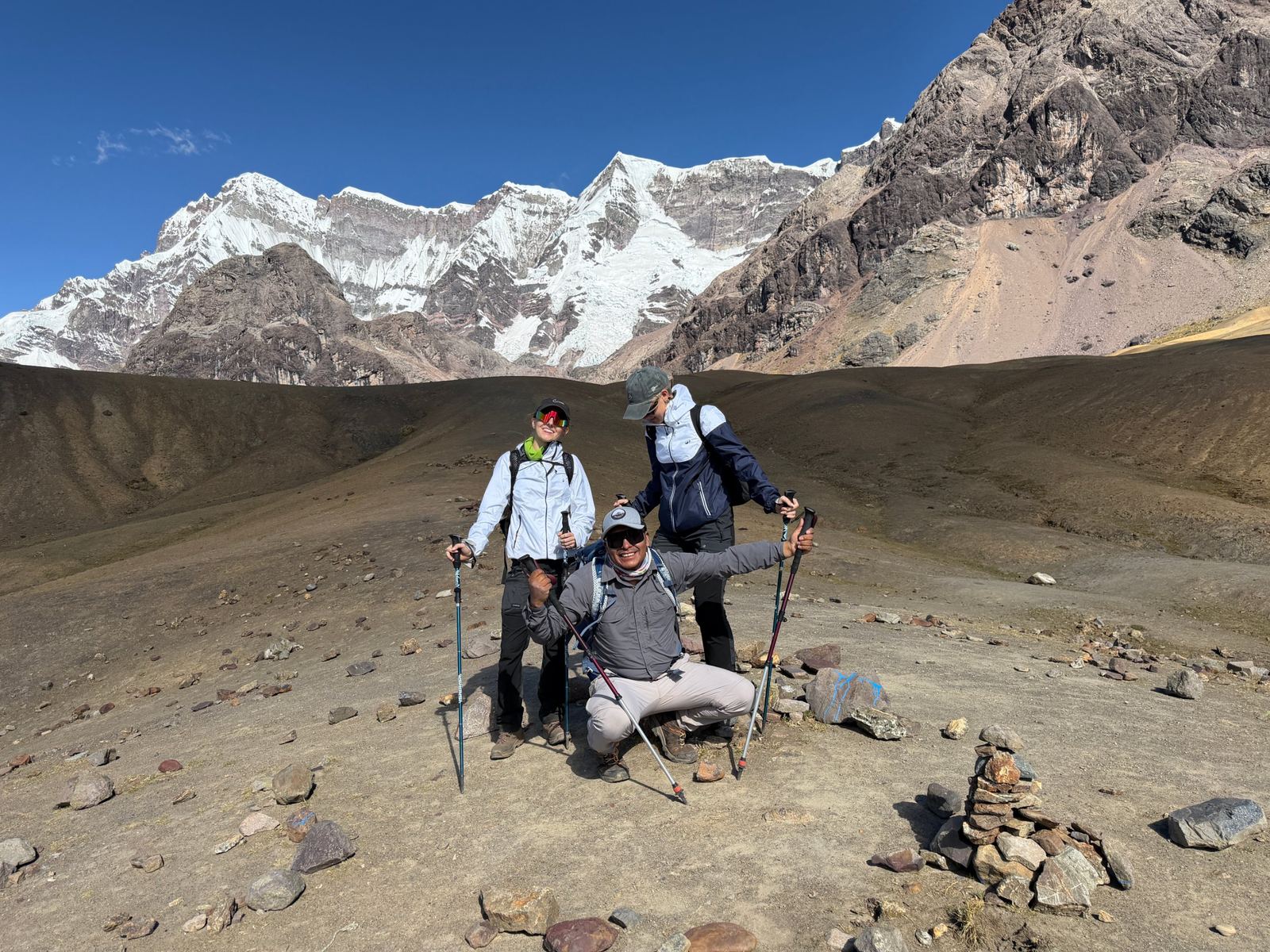
Official tour guides in Peru are registered under the Tour Guide Law (Law 28529), and MINCETUR’s directory lists them alongside agencies. On the Inca Trail, every group must walk with an official guide. Before you pay, ask for:
- the lead guide’s name and the languages they guide in
- how many trekkers each guide leads, and the maximum group size
- for high treks such as Ausangate, how many times the guide has led that route
4. Ask how porters and horsemen are treated
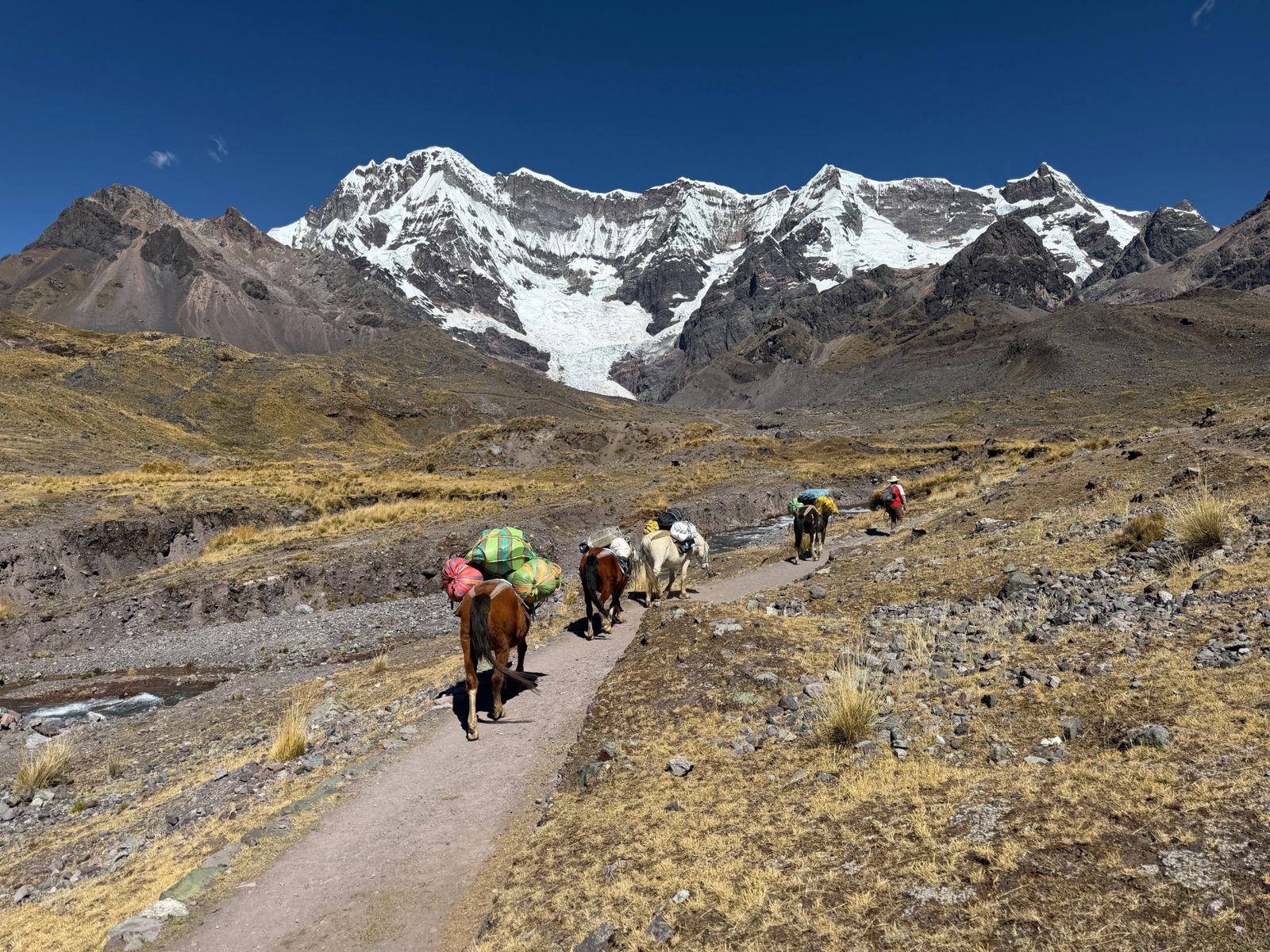
Peru’s porter law (Law 31614 of 2022) limits loads to 20 kg for men and 15 kg for women. Employers must also provide occupational risk insurance, life insurance, sheltered sleeping space, nutritious food and protective gear. Ask the company what its porters carry, where they sleep and eat on the trail, and how they are paid. A company that answers easily usually has nothing to hide.
5. Ask what happens in an emergency
Altitude sickness, a sprained ankle or a sudden storm can turn a trek into an evacuation. A good company answers these questions without hesitating:
- Is the guide trained in first aid, and do you carry a first-aid kit and oxygen?
- How do you call for help where there is no phone signal?
- What is the evacuation plan from the highest camp?
- Will you change the route if weather makes it unsafe?
The last question matters most from November to March. In January 2025, Cusco’s regional tourism manager warned that informal agencies were taking travellers onto rain-damaged routes, such as the road to Humantay Lake and Salkantay.
6. Compare what the price includes, and get it in writing
Two treks with the same name can be very different trips. Before comparing prices, ask for a written itinerary that lists:
- entrance fees and permits (Machu Picchu, Inca Trail, community fees)
- transport, meals, tents and sleeping mats
- porters or mules, and how much of your own gear they carry
- the train back from Machu Picchu, if the trek ends there
Pay by a traceable method and ask for an official receipt (boleta or factura) in the company’s registered name. A much cheaper price usually means something is missing: fewer staff, worn equipment, or porters carrying more than the law allows.
7. Read recent reviews on more than one site
Look at reviews from the last 6–12 months on at least two platforms, such as Google and Tripadvisor. Reviews that name guides, describe the food and mention how problems were handled are the most useful. Be wary of a company with only a handful of reviews on one site, or reviews that all read alike.
Red flags of an informal agency
Walk away if you see any of these:
- Offers from street sellers or taxi drivers around the Plaza de Armas, the airport or the bus terminal. Peru’s agency regulation bans selling tours on the street, in squares or at terminals, and Cusco police advise travellers not to accept tours from informal sellers or drivers.
- A price far below everyone else’s for the same route and number of days.
- Cash only, or a transfer to a personal account in a name that doesn’t match the company.
- No RUC or registration number, or a company that can’t tell you where its office is.
- No written itinerary or receipt.
- Inca Trail “permits only”, or a promise of a sold-out date. Permits are sold only to licensed agencies, in the trekker’s name.
- Train or Machu Picchu tickets bought from a third person. Cusco police have investigated fake train tickets sold by informal sellers.
- Pressure to pay right now because it is “the last spot”.
If something goes wrong
Start with the company itself and ask for its complaints book (Libro de Reclamaciones). If that doesn’t solve it, Peru has free services for travellers:
| Who | What they help with | Contact |
|---|---|---|
| iPerú (PromPerú) | Official tourist information and assistance, 24 hours a day, including checking whether a company is formal | WhatsApp +51 944 492 314 · phone +51 1 574 8000 · iperu@promperu.gob.pe |
| Tourist Police (POLTUR) | Theft, scams and other crimes | Emergencies 105 · POLTUR central +51 1 460 1060 |
| Indecopi | Consumer complaints against a company | Online complaint form |
Keep your receipt, the written itinerary and any messages with the company. You will need them for any complaint.
How Andean Trekking Peru measures up
We wrote this guide because we want travellers to check us too. Here are our answers to each check:
| Check | Andean Trekking Peru |
|---|---|
| Registration | AT Peru Tours E.I.R.L., RUC 20605120998, registered with GERCETUR Cusco under certificate no. 482-2024-GR/GERCETUR-SGFC (see our licences). |
| Office | Calle Marques 231, Int. 115, Centro Comercial Sotomayor, Cusco. Open 9:00–18:00, Monday to Friday |
| Guides | Led by Edwin Curahuasi, a native Quechua speaker who studied tourism in Cusco and has guided more than 300 treks in seven years (about us) |
| Porters | Maximum load of 15 kg per porter, below the legal limit of 20 kg. Porters have their own campsites. |
| Safety | Guides are trained in first aid. Every trek carries a first-aid kit, oxygen and a satellite phone or radio. |
| Inca Trail | Authorized by the Ministry of Culture to buy Inca Trail permits. See our Inca Trail treks |
| Reviews | 4.9 on Google, 5.0 on Tripadvisor |
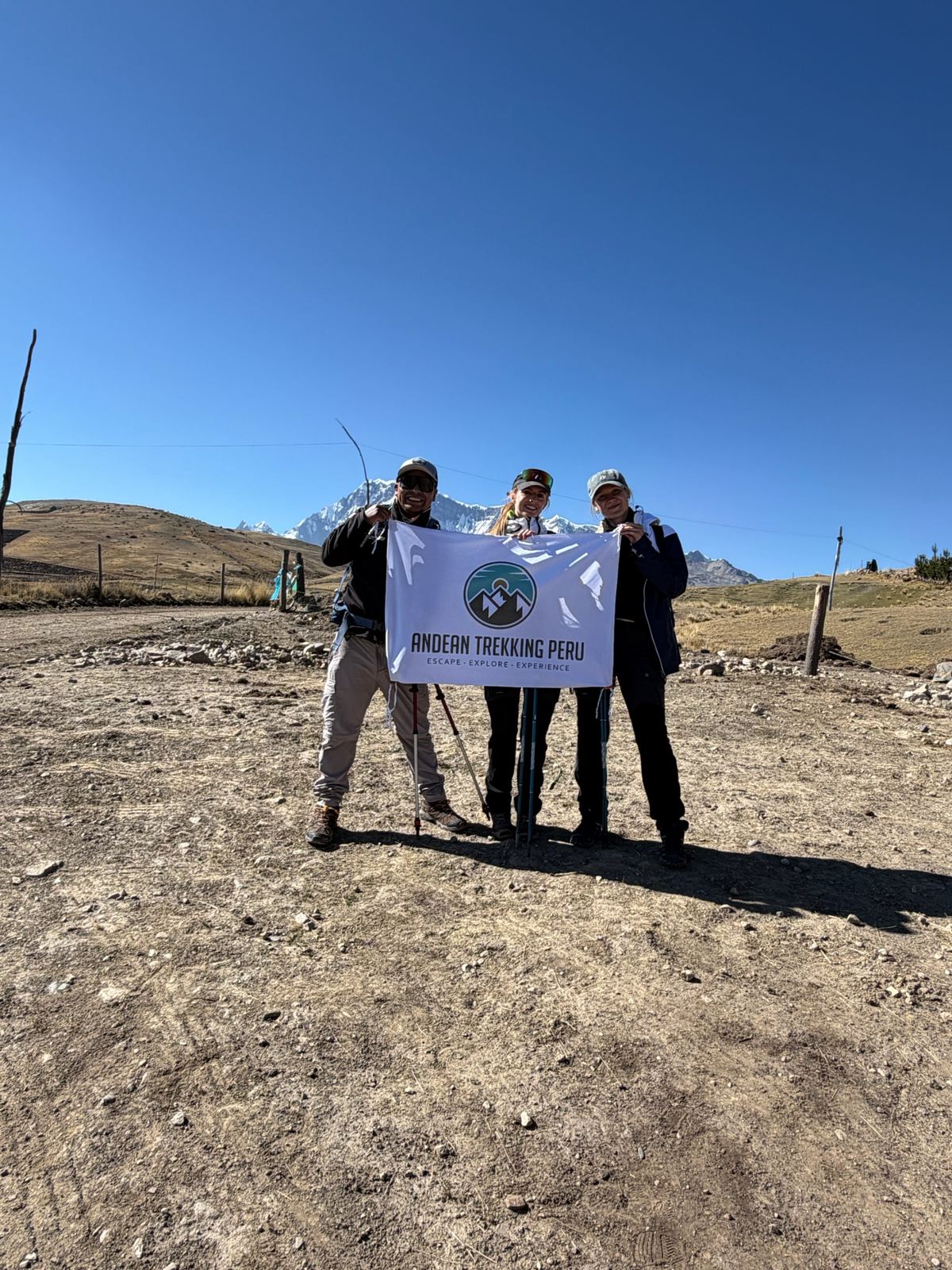
Want to check us out? Visit our office or contact us, or message us on WhatsApp.
Frequently asked questions
Ask for its legal name and RUC, then search for it in MINCETUR’s online National Directory of Tourism Service Providers. Every travel agency in Peru must be registered there. Check that the name, address and class match what the company tells you.
It is the regional government office that registers and supervises travel agencies in Cusco. Its current name is GERCETUR (Regional Management of Foreign Trade, Tourism and Handicrafts), though many people still call it DIRCETUR.
It is risky. Street sellers often resell treks run by other companies, and you have no office to return to if something goes wrong. Cusco police advise travellers not to accept tours from informal sellers or taxi drivers.
Sometimes, but a much lower price usually means something is missing, such as permits, staff, equipment or fair pay for porters. Compare written itineraries, not just prices.
Peru’s porter law limits loads to 20 kg for men and 15 kg for women. Employers must also provide occupational risk insurance and life insurance.
No. Inca Trail permits are sold only to licensed agencies, and every group must walk with an official guide. See Inca Trail Permits 2027.
At minimum: entrance fees and permits, transport, meals, tents, a guide, and porters or mules. Get the list in writing, and check whether the train back from Machu Picchu is a part of the package.


