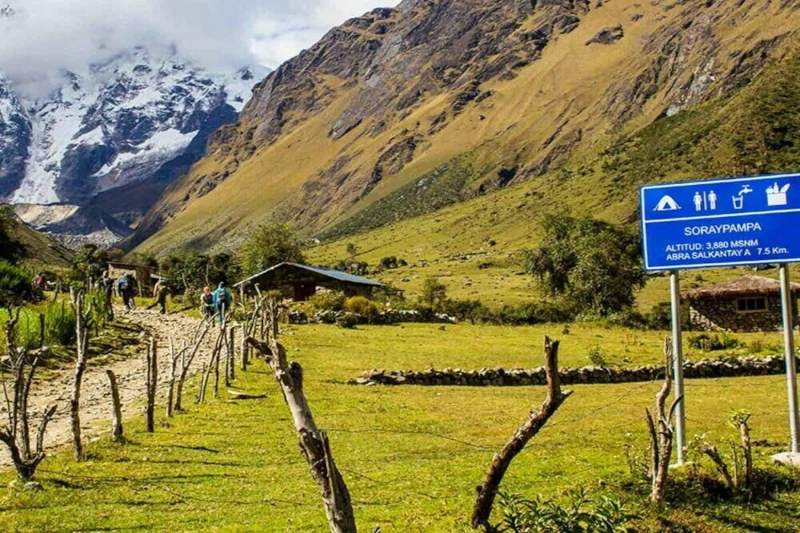
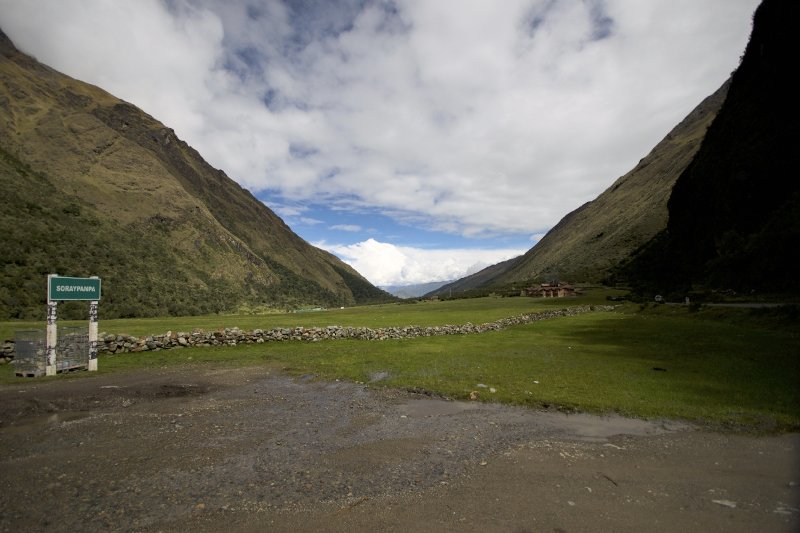
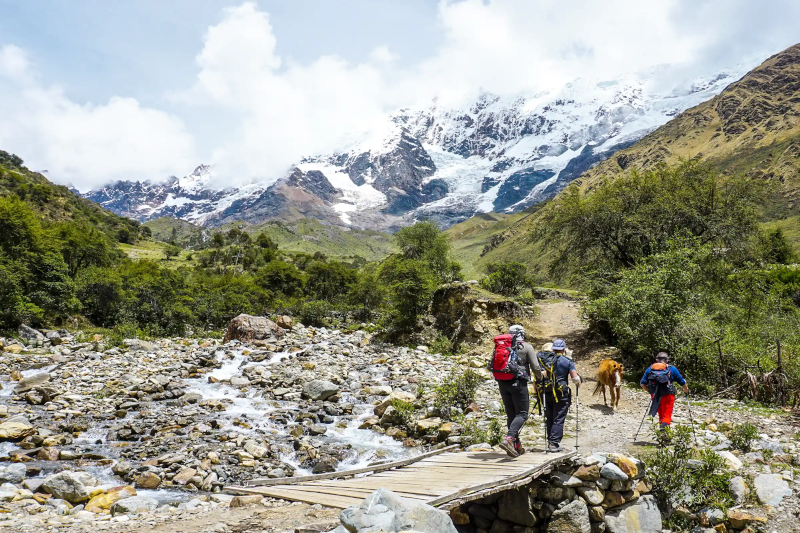
Let’s set expectations right away: Soraypampa, Peru isn’t a cute mountain town with cafés and Wi‑Fi passwords written on chalkboards. It’s more like a high-altitude “logistics hub” in a wide valley—where trekking groups regroup, mule teams shuffle past, and everyone quietly checks the same things: water, layers, headlamp, snacks… and how their lungs feel.

And yet, Soraypampa is memorable. Not because it tries to entertain you, but because it sits right at the front door to two big Andean hits: Humantay Lake and the Salkantay Trek. If you’ve been looking at routes from Cusco and thinking, “Okay, where does the real hiking actually start?”—this is usually it.
Here’s the simple flow most travelers follow:
That’s the project plan. Now let’s make it feel doable.
If you’re doing a multi-day Salkantay route, Soraypampa is often Night 1. It’s the first place where the trek feels official. You’ll notice the vibe shift from “travel day” to “we’re in it now.” Packs get re-sorted. People ask strangers what temperature their sleeping bag is rated for. Someone always realizes their water bottle lid is missing.
If you’re doing Humantay as a shorter trip, Soraypampa can still be your best launch point—mainly because an early start changes everything. Fewer people on the trail. Better light. Less pressure to rush.

The Soraypampa altitude is the quiet boss fight. You can be strong, sporty, and annoyingly well-hydrated—and still feel a bit off. Headaches happen. Appetite can wobble. Your pace slows down in a way that feels personal, even though it isn’t.
Here’s the mild contradiction: you should “take it easy,” but you also need to keep moving. The fix is simple. Go slow and steady, like you’re on a long conference call and don’t want your voice to crack.
If you can spend a couple days in Cusco before heading up, do it. Not as a strict rule—more as risk management. A short “buffer” in your itinerary is like having extra battery on your phone. You might not need it, but when you do, you really do.
A practical rhythm looks like this:
If you’ve had altitude trouble before, it’s worth talking with a clinician about medication. Not exciting, but useful. Also: eat carbs, sip water often, and don’t “prove a point” with your hiking speed. The mountain doesn’t care.
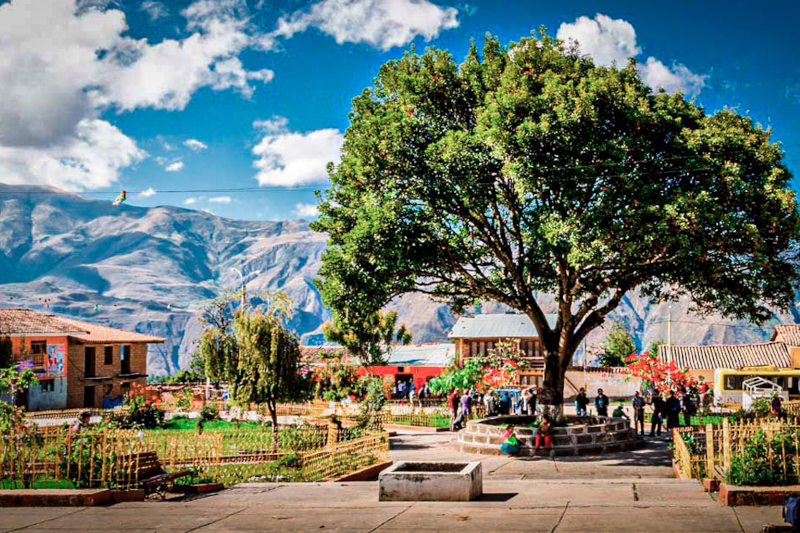
You’ll see people search for bus Cusco Soraypampa like it’s one clean ticket and one clean ride. Sometimes travel is like that. This route usually isn’t.
Most independent travelers do something like:

Can you piece it together? Yes. Should you build a time cushion? Also yes. The Andes aren’t big on punctuality, and neither are shared vans.
If you’re traveling with two or three people, a private driver can be the smoothest workflow. You set the departure time, you stop when you want, and you arrive less frazzled. Tour transfers are the simplest if you’d rather outsource the whole thing—think of it as paying for fewer decisions.
I’ll answer the question people whisper and then ask out loud: is Humantay Lake worth it?
If you like alpine scenery, yes. The color can look edited. The glacier backdrop has that “are we sure this is real?” effect. But the trail is steep, and at altitude it can feel like your legs are negotiating a new contract. Take breaks. Look around. Let other people pass. No big deal.
And here’s a small digression that matters: if you’re into photography, bring a simple lens cloth. Dust, drizzle, sunscreen fingerprints—it all shows up at the worst time. Also, if you use your phone for photos, keep it warm. Cold drains batteries fast.
The drier season usually brings clearer views and firmer trails. Wet months can still be beautiful, but you may trade postcard skies for moody clouds and mud. Check a forecast, sure—apps like Windy can help—but plan for weather swings anyway.
The Humantay Lake tour price often covers transport, a guide, and meals, plus a safety net if someone needs help on the climb. DIY can be cheaper, but it can also be a lot more admin. Think of it as time vs. money vs. stress. Pick your mix.
Let’s talk about the overnight part, because it shapes your whole next day.
A Soraypampa camp night can be quiet, cold, and oddly satisfying. You eat, you layer up, you sleep early. Then you wake up and realize you can see your breath. It’s not luxury, but it’s the cleanest kind of simple.
If you’re bringing your own kit, the sleeping pad matters more than people expect. A good bag with a bad pad still feels rough. That’s not poetry—just physics.
A Soraypampa hostel usually means basic lodging: a roof, a bed, shared bathrooms, limited power, and early quiet hours. It’s not a party hostel. It’s a recovery station. And honestly, that’s the point.

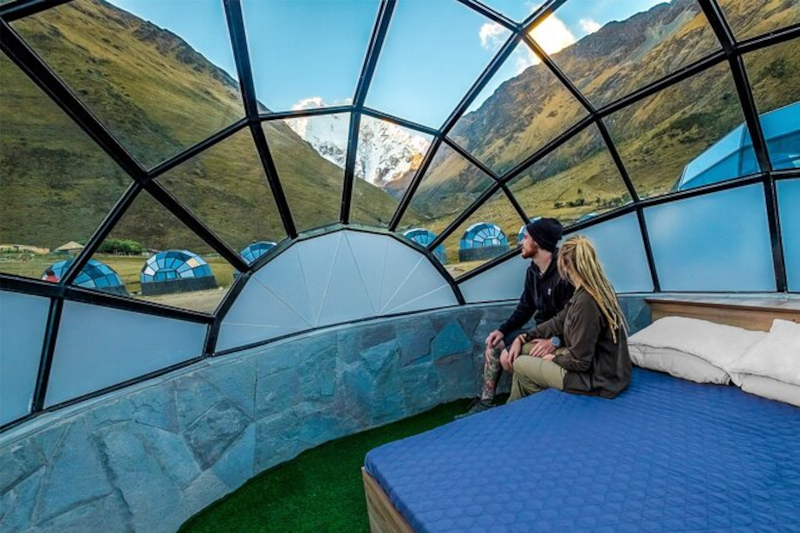
Sky camp Soraypampa is often shorthand for insulated domes or cabin-style stays designed for warmth and stargazing. If you sleep poorly in tents, or you’re trying to improve your odds for a strong pass day, these can feel like a smart upgrade. Not necessary. Just… nice.
For many hikers, the toughest part isn’t technical; it’s the combo of altitude, cold wind, and time on your feet. This is where “professional” trekking language sneaks in: pacing strategy, energy management, contingency plan. It sounds corporate, but it’s useful.
A few things that help more than you’d think:
And yes, you’ll see people powering ahead. Let them. Your goal is to finish strong, not win a race nobody’s scoring.
This is less about “which is better” and more about what you want to manage.
Group trips usually lower costs and handle the moving parts—transport, meals, camps. They can also be fun. You’ll share snacks, swap trail stories, and learn who snores (quickly).
Private setups cost more, but you control the pace. At altitude, that’s huge. It’s like setting your own meeting agenda instead of being dragged through someone else’s slide deck.
Salkantay isn’t regulated the same way as the Inca Trail, but fees and access rules can still apply depending on where you go and which areas you pass through. If you’re booking a tour, ask what’s included. If you’re going independently, budget extra time and cash for entrances and local checkpoints.
One more small tangent: travel insurance. Nobody likes buying it. But evacuation at altitude is expensive, and plans change fast in the mountains. It’s one of those boring purchases that can save a trip.
The Andes can serve you sun, wind, cloud, and cold in a single afternoon. So yes, check a forecast. Then pack as if the forecast might be wrong—because sometimes it is.
What usually matters most:
Here’s the tight version—practical, not dramatic:
Trekking poles are optional… except on steep descents, when they suddenly feel essential. Funny how that works.

If you want the easiest logistics, book a transfer or a trek. If you want maximum control, hire a driver and move on your own schedule. If you want the purest version of the experience, camp and keep it simple. None of these choices is morally superior. They’re just different tools for different people.
Either way, Soraypampa does one job very well: it gets you close—really close—to big mountains and big days. And when you wake up in the cold, pull on your layers, and step outside for that first breath of thin morning air… you’ll get it. You’ll feel why this place is the gateway.