+51 980 852 691 +51 930 842 108 [ES] info@andeantrekkingperu.com Calle Marques 231 Int. 115. CC Sotomayor.
Contact Us

Hot springs, glaciers, and Alpaca Farms: A day at the Ausangate 7 lakes

Picture standing at 4,600 meters, snow capped peaks all around, crystal clear turquoise water, alpacas grazing nearby just a few steps away. Most travelers stick to the classic Sacred Valley trails, following the same routes everyone else does. The ausangate 7 lakes offer something different though, and it stays wonderfully off the beaten path even with growing interest. Fewer crowds, same high Andes majesty, just a quieter version of it.

Glacial pools, traditional Andean culture, high altitude life in general, this circuit covers a lot of ground in a single day. A moderate hike, good nature photography, or just some quiet time in the mountains, whatever the goal happens to be, the circuit tends to deliver on most of it. Few destinations manage to combine scenery, culture, and physical challenge this well in such a short window of time.

ausangate 7 lakes

Why the 7 Lakes Stand Out Among Peru Lakes

Peru has countless lakes worth seeing, scattered across nearly every region of the country. This circuit stands apart though, mostly because of how many distinct colors and textures show up along a single trail. Comparing the 7 lakes of ausangate vs humantay lake, Humantay wins on drama, one striking emerald pool visible from a single viewpoint, but it gets packed fast during peak hours. The 7 lakes of ausangate spread out instead, azure, green, turquoise, across a quieter valley that rarely feels crowded.

Same logic applies comparing 7 lagoons versus Rainbow Mountain, since both get compared constantly by travelers deciding where to spend a limited number of days. Rainbow Mountain is famous, sure, but it means walking single file with hundreds of other people for most of the ascent. This circuit stays quieter instead, offering something closer to solitude.

Real space to actually take in the landscape shows up here, without rushing past other groups on a narrow trail. One of the better high altitude options in the region, honestly, and the variety among these peru lakes is part of why so many repeat visitors come back specifically for this circuit.

The Journey: A Day Trip from Cusco to Pacchanta

The trip starts before dawn, always, since the drive alone eats up a good chunk of the morning. A typical day trip from Cusco to Pacchanta, the gateway village, begins with about three hours of driving through winding mountain roads. Dramatic valleys, traditional Quechua communities along the way, all visible from the vehicle windows as the sun starts coming up. These settlements have kept their way of life for centuries, herding alpacas and weaving textiles mostly untouched by modern tourism.

Package or solo, that’s usually the first real decision to make. Private tours give more flexibility on pacing, useful at altitude where rushing tends to backfire. Group tours cost less and handle the logistics, which suits travelers who’d rather not manage transportation themselves. Getting there independently works too, taking a public bus from Cusco to Tinki, then a shared taxi to Pacchanta, though road conditions and timing get tricky, so most people book a guided 7 lakes of ausangate tour instead.

A standard itinerary looks something like this: 4:00 AM departure, breakfast in Pacchanta by 7:30, four to five hours on the circuit, lunch, then a soak in the local hot springs before heading back to Cusco in the evening. The whole day runs long, but the pacing usually feels manageable if the group starts on time.

Hitting the Trail: Vilcanota Mountain Range Glacial Lagoons

From Pacchanta, the trail climbs gradually into a wide valley, with wildlife showing up almost immediately along the path. Llamas at the ausangate lagoons? Yes, without question. Hundreds of them, alpacas too, grazing across marshy highland plains, colorful ear tassels bouncing as they move between patches of grass.

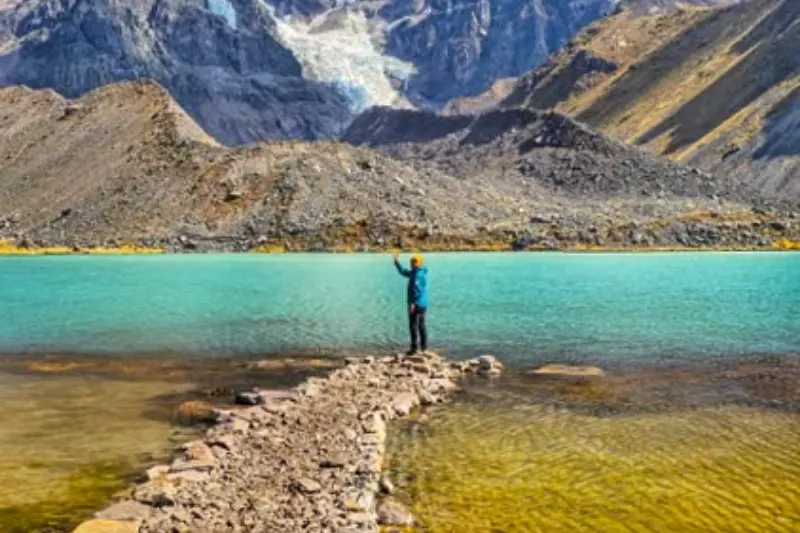
The main draw sits in the Vilcanota mountain range glacial lagoons, seven lakes total spread across the circuit. Pucacocha, Patacocha, Alqacocha, Qomercocha, Orco Otorongo, China Otorongo, Azulcocha, each one distinct from the last. Different minerals, different depths, different colors show up depending on which lake gets visited. Qomercocha runs green, while Azulcocha runs deep sapphire blue, both easily distinguishable even from a distance.

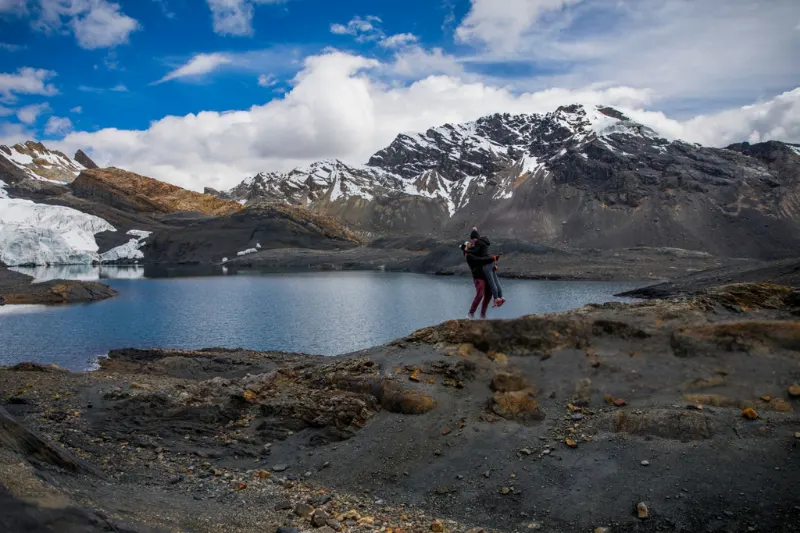
Views of Apu Ausangate glacier stay constant throughout most of the hike, rarely disappearing from sight for long. At 6,384 meters, the highest peak in the Cusco region, considered an Apu, a sacred mountain, by local communities who’ve held that belief for generations. White glacier against blue water makes for strong nature photography conditions, and a polarizing filter helps cut the glare off the water at this altitude.

Trek Difficulty and Altitude Preparation

How hard is the ausangate trek, really, tends to be one of the first questions anyone asks before booking. The multi day version is brutal, no way around that. This day hike to the 7 lakes runs moderately challenging instead, mostly flat with gradual inclines, about 10 kilometers, 6.2 miles, round trip. Altitude is the real challenge here, not distance, which surprises a lot of first time visitors.

The trail sits between 4,300 and 4,600 meters, 14,100 to 15,090 feet, well above where most people typically hike. Physical prep matters more than people expect going in. Running, swimming, cycling in the weeks before the trip builds real stamina for this kind of elevation. Skipping that prep tends to make the hike feel far harder than it needs to.

Avoiding altitude sickness matters just as much as physical fitness, arguably more. Getting to Cusco, 3,400 meters, two to three days early lets the body adjust before attempting anything strenuous. Hydration, no heavy drinking, light meals, all of it helps significantly during that adjustment period. Coca tea or coca leaves work too, a remedy Andean communities have used for altitude for centuries with real results.

ausangate 7 lakes

Essential Planning: Weather and Packing

Timing and gear matter a lot here, probably more than on most other treks in the region. Dry season, May to October, is best, since clear skies bring out better colors in the lagoons and reduce the risk of getting caught in rain. Mornings and evenings still freeze though, even during the driest months, so layering isn’t optional at any point in the day.

A solid packing list makes the difference between comfort and misery on a hike like this one. Mountain weather shifts fast, sometimes within the same hour, and being caught without the right gear turns an easy day into a genuinely rough one.

Key items:

  • Base layer: moisture wicking thermal tops and bottoms.
  • Insulation: warm fleece or a good down jacket.
  • Outer shell: waterproof, windproof jacket.
  • Footwear: broken in, waterproof hiking boots, solid ankle support.
  • Sun protection: SPF 50+, polarized sunglasses, wide brimmed hat. UV runs intense at this elevation.
  • Hydration and snacks: reusable water bottle, at least 2 liters on the trail, plus nuts, chocolate, energy bars.
  • First aid: blister pads, ibuprofen, personal medications.
  • Cash: small soles for souvenirs and bathroom access.
  • Swimwear: bathing suit and a quick dry towel, for the hot springs after.

The Ultimate Reward: Medicinal Hot Springs of Pacchanta

After hours on rocky trails and thin air, the loop ends back in Pacchanta, right when most hikers start feeling the day in their legs. The medicinal hot springs wait there, timed almost perfectly with when exhaustion sets in. Good timing, honestly, since few things feel better after a long climb than warm water.

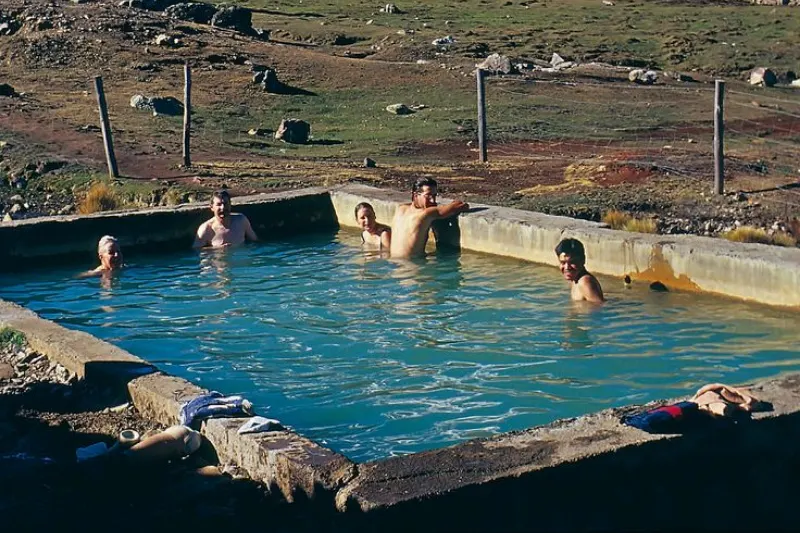
Natural thermal pools, framed by views of Ausangate itself, sit just a short walk from where the trail ends. Different temperatures across the pools, good for sore muscles after the hike, let visitors choose based on preference. Stripping off the layers and sinking into warm water while looking up at the peak just climbed under is hard to beat as a way to close out the day. Changing rooms and basic facilities are available on site for a small entry fee.

Making a Positive Impact in the Andes

Leave No Trace applies here too, even in a place this remote and seemingly untouched. Packing out all trash matters, since there’s no infrastructure out here to handle it otherwise. Sticking to marked trails protects the alpine vegetation, which recovers slowly if damaged at all.

Respecting the local herds matters as well, since these animals aren’t part of a display, they’re someone’s livelihood built over generations. Treating them with the same respect given to any working animal goes a long way in a community this small.

Buying alpaca textiles directly from artisans in Pacchanta supports the community that keeps these trails running and maintained. Simple ways to keep the place intact for the next visitor add up more than they might seem to.

ausangate 7 lakes

Conclusion

The ausangate 7 lakes combine natural beauty, physical challenge, and cultural contact into a single, well paced day trip. Away from the crowded tourist routes, this region offers glaciers, colorful lakes, and communities that have held onto their way of life at high altitude for generations. Few places manage to pack this much variety into one circuit without feeling rushed or overdone.

Proper acclimatization, smart packing, and respect for the local environment make for a safe, solid trip from start to finish. None of it requires expert level fitness, just reasonable preparation and a willingness to move at a steady pace.

Camera ready, boots laced, this is one of the more overlooked landscapes Peru has to offer, still waiting for more travelers to discover it properly.