+51 980 852 691 +51 930 842 108 [ES] info@andeantrekkingperu.com Calle Marques 231 Int. 115. CC Sotomayor.
Contact Us

The Mystical Significance of Stones

The Intihuatana is one of Machu Picchu’s most popular stones! People cease to go there since it asks a straightforward query: what was it for? The answer is succinct: it is where the worlds of astronomy, religion and everyday life of the Incas meet.

intihuatana

There are other viewpoints on it that we will hear today. There are some that specialise in science. Others are ritual oriented. Both matter. The sky and the sacred were regarded as different realms by the Inca. They spent a lot of this watching the sun in order to eat, get in touch and get in balance with the world.

What is the Intihuatana? Unpacking the “Hitching Post of the Sun”

Quechua language translates Inti as “sun. The term huata can translate to “to tie” or “to hitch”. For this reason, many versions of the text know it as the “hitching post of the sun.” It may sound bizarre but at first glance. However, the concept is obviously understandable. The sun was the main part of life and the Inca were very sensitive to the sun.

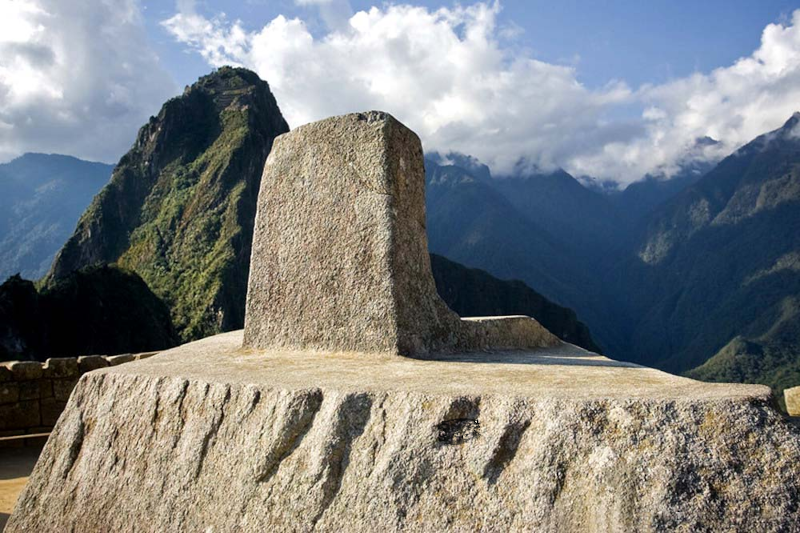
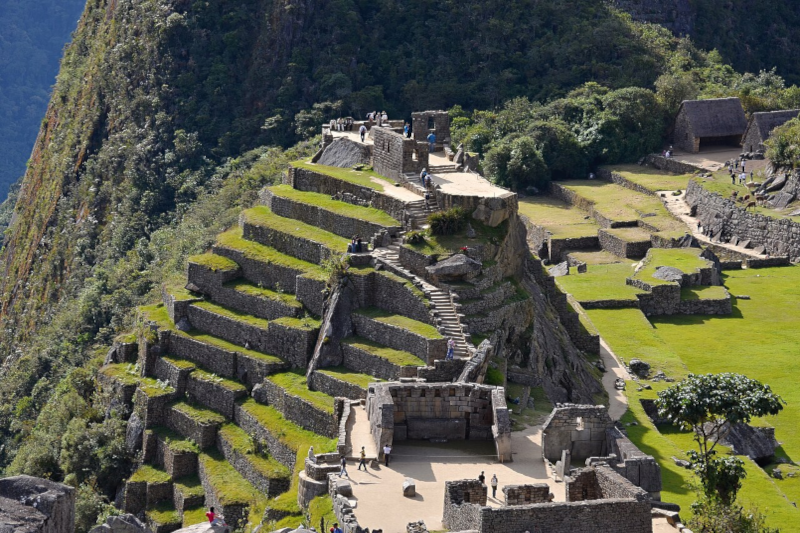
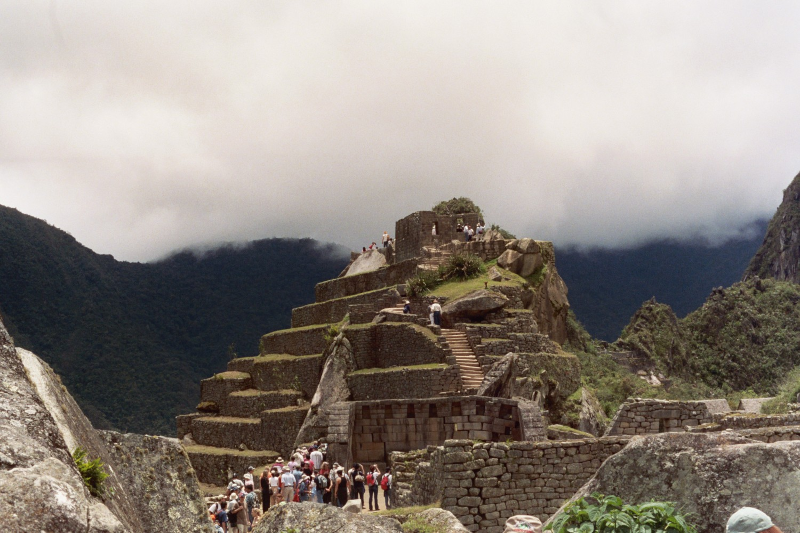
An Intihuatana stone is a carved stone structure, typically in a raised, open space. The most famous one is Intihuatana Machu Picchu made out of local granite and set on a terraced platform. That base with the steps on it, some visitors refer to it as just the Intihuatana, or “intervenor”, pyramid. It is not in the nature of a pyramid. It is a levelled and prepared area which provides the stone a clear sight of the sky and the surrounding peaks.

There were other stones of the type Intihuatana all over the pre-Hispanic empire of the Incas. Numerous survived but were damaged or destroyed at the time of the Spanish Conquest. Its stone survived as the secret of the ruins of Machu Picchu lay hidden for centuries. Partly for this reason, survival is one of the reasons why this is one of the most talked about historical landmarks in Peru.

What the stone does (and what it probably doesn’t)

Occasionally, the name Intihuatana can be translated as sundial. That may be close, but can cause problems. The purpose of a sundial is to indicate the time of the day. The emphasis is more on seasons with the Intihuatana. Reacts to the changing light and shadow of its edges and angles throughout the year.

That mattered. The Incas farmed on a difficult terrain. The understanding of the change of seasons was useful for the planting, harvesting and planning of large events. The stone was also used for ceremonies. A process of Huacaization was performed on many of the stones of the Incan sites. That is a place of holiness or a holy object. Thus, the stone was more than a tool. It was also prior to a relating with the world.

Why Machu Picchu is a special case

intihuatana

The sight lines of Machu Picchu are good. The high ridges, peaks, and lights-and-shades will be visible from the same vantage without moving from one position. That configuration seems like the designer’s choice. The Inca would frequently design with some sort of alignment in mind. Not only did they want to worship the sun but powerful mountains as well. The name of those mountains was Apus.

Here, at the site of the Three Worlds, the Intihuatana is the element that lofts itself above the ground to serve as a sign of the entire place. It’s one reason that visitors say they have a “spiritual connection” with them. Not because the air is magic but because the place is created to be aware of the sky and the land – at the same time.

The winter solstice at Machu Picchu

A winter solstice in the Southern Hemisphere occurs around June 21 (22nd in the Northern Hemisphere) at the perfect spot at Machu Picchu. This date is when the sun is at one of its extremes for the year, on or near this date. Shadows appear to shift in a sensible manner. Shadows are said to become small around midday time.

The solstice was not simply a date for the Inca. It marked a turning point in the seasonal cycle, when the days would gradually grow longer again. This mattered deeply for agriculture, travel, and religious ceremonies across the Sacred Valley. Sites such as Moray, with its circular agricultural terraces, also reflect how closely the Inca observed the sun, climate, and seasonal changes throughout the year.

Ritual meaning and daily meaning

Remember that it is simpler to think in the simplest terms. For the Inca, it was necessary to watch the sun. Heavens, that’s the sun’s day, they praised that day for the sun; The two can go hand in hand.

Offers might be made at ceremonies by the use of holy stones. Gifts of cocoa leaves and chicha (corn beer) are mentioned. Pachamama (Mother Earth) was honored too. So the story is more than just about the sun! It is, too, concerning land, water and when to work.

Visiting the Intihuatana stone at Machu Picchu

Visitors will probably have a certain route to take on a visit. There are no rules that will stay the same always, but aim remains the same to protect the site and run the crowds. Usually the Intihuatana area is set-up higher, which has steep steps.

  • Take your time. The elevation can be more than you bargained for and the stairs can do the same!
  • If possible, go early. It’s quieter; you can see all around.
  • Pass by the stone. Take note of what is lining up behind it. Point also includes the mountains!
  • Read the extended weather information. You’ll see patterns in Inca building at other places in the Sacred Valley. It tells of the stone itself, rather than isolated photo stop.

Yes, there still exist people who are doing the thing with this stone and call it the “Intihuatana Machu Picchu”. This is helpful because the term “Intihuatana” can also be applied to the entirety of the monument.

Preservation (and why you can’t touch it)

intihuatana

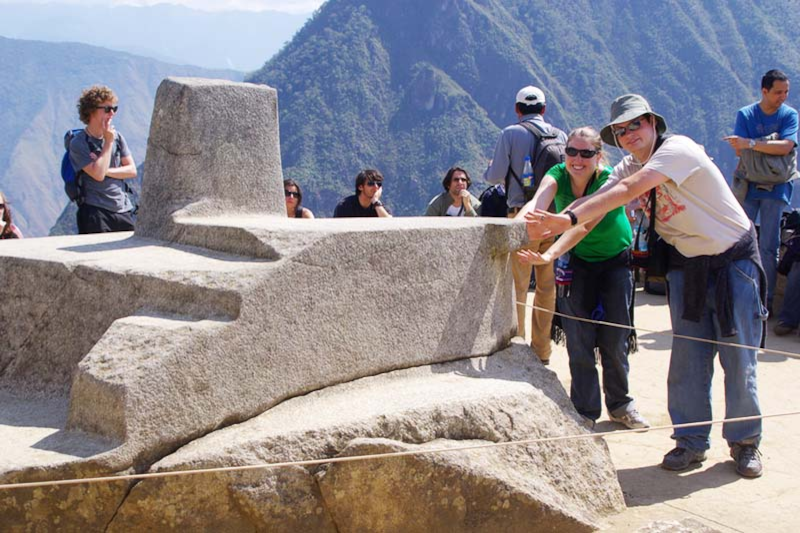
There is a high tour pressure in the site. The stone was chipped when the film was being shot in 2000. It was not a large item but it was damage committed on what was a priceless item. However, protective measures were increasingly tightened, following this event.

Today, visitors are not allowed to touch the stone. That rule isn’t merely a matter of respect. It’s also practical. Over time, repeated contact will cause wear. The objective is not just one, but a fairly straightforward one; it is to bring it up, and make it readable for further investigation.

Conclusion

The Intihuatana is important due to its demonstration of the Inca’s use of time, light and landscape. This is a stone that has been formed using carving. Yet when you’re already thinking about a fully fledged system of observation and belief.

If you have an interest in looking into the Inca world, you’ll need to pay attention to the Intihuatana. It’s one of the most obvious examples where engineering and ritual go hand in hand.

FAQs

What is the Intihuatana?

The Intihuatana is a carved Incan stone associated with the sun. The most famous example is located at Machu Picchu, though similar Intihuatana stones also existed in places such as Pisac and Ollantaytambo. These stones were likely used to mark seasonal changes through the alignment of light and shadow, while also serving as sacred huacas in Inca spiritual life. The term is often translated as “Hitching Post of the Sun.”

Where is the most famous Intihuatana stone located?

The most popular one is in the sacred district which is located at Machu Picchu and is a terraced platform. There are many other stones that have been damaged as a result of the Spanish conquest. But, Machu Picchu remained hidden and this one didn’t.

intihuatana

Is the Intihuatana a sundial?

Not in the usual sense. It seems more like a solar marker for the year. It shows seasonal shifts rather than giving a clear “time of day.”