+51 980 852 691 +51 930 842 108 [ES] info@andeantrekkingperu.com Calle Marques 231 Int. 115. CC Sotomayor.
Contact Us

Exploring the Lares Trek to Machu Picchu

Empty trails, cloud-covered peaks, villages that stopped moving somewhere in the last few centuries. The Lares Trek to Machu Picchu doesn’t chase Inca Trail fame and never has. Fewer permits, fewer strangers in every photo, something that feels like it was found rather than booked.

“The Weaver’s Way” locals call it. The Lares trail Peru moves through Quechua communities, past women on backstrap looms, through valleys where alpacas and wind do most of the talking. No museum version of that exists.

Everything needed for a real Machu Picchu trek through Lares is here. No fluff, just what matters.

lares trek to machu picchu

Why Choose the Lares Trek?

Inca Trail permits run out fast, the government caps them hard. Thousands land in Cusco every year and find themselves looking at alternatives quickly. Most of them end up grateful for it.

The Lares trail Peru isn’t a backup plan. Quechua communities line the whole route, farming and herding in ways that centuries haven’t shifted much. A Lares trek to Machu Picchu puts that history under actual boots rather than behind a display case.

Solitude matters too. Hours through the valley, wind and boot crunch and nothing else. Anyone who’s done serious trekking in the Andes knows that quiet is harder to find now, and it changes everything about a trip when it shows up.

Salkantay vs. Lares: Choosing Your Path

Classic trail off the table, two routes take over the conversation. Salkantay vs Lares isn’t about which is better, it’s about what someone actually needs from a few days in the mountains.

Salkantay is landscape, purely. Glacier close up, barren high-altitude terrain, humid cloud forest on the way down. Longer, harder, built for people who want dramatic and don’t mind suffering for it. Those drawn that direction will find the tour Salkantay trek worth a separate look. Lares is cultural first, glacial lakes and snow-capped peaks yes, but the communities are why people come back talking about it.

Dramatic ice-capped suffering, Salkantay. Inca descendants, traditional weaving, hard but human, Lares.

lares trek to machu picchu

Understanding the Route and Geography

Lares Valley sits east of the Urubamba range, high Andes just north of the Sacred Valley. Geography defined by contrast throughout. Lush terraces down low, windswept passes above the treeline, constant shifting between the two as elevation changes.

Trekking with Livestock

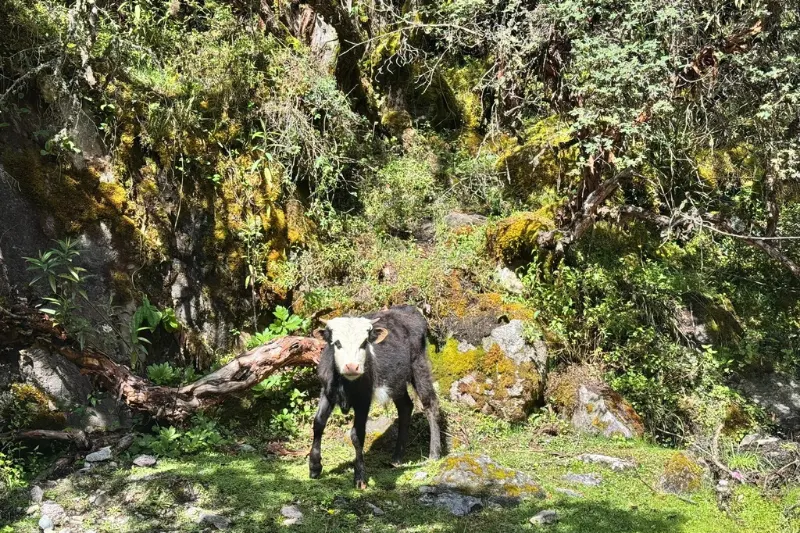
No roads connecting the high villages, pack animals fill that gap same as always. Trekking with llamas and horses managed by arrieros is standard on the Lares trek to Machu Picchu. Animals carry the gear, hikers carry a daypack. Old logistics, still working fine.

The Difficulty Level of Peru Mountain Hikes

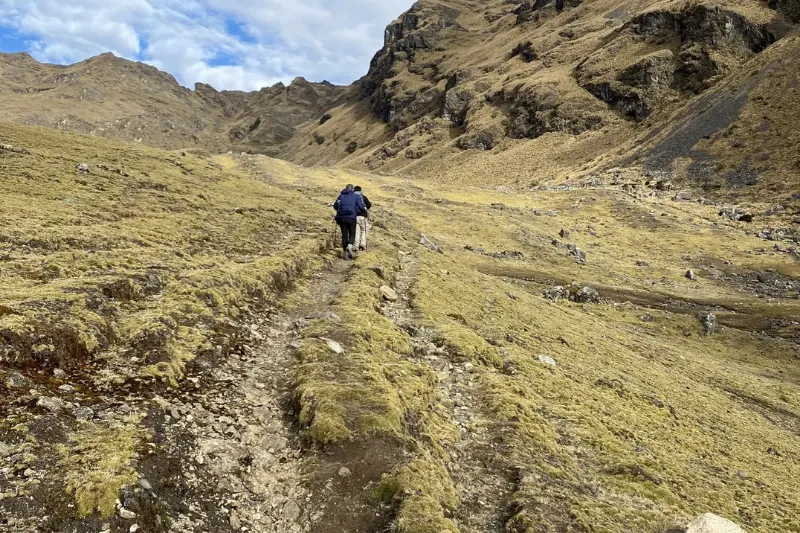
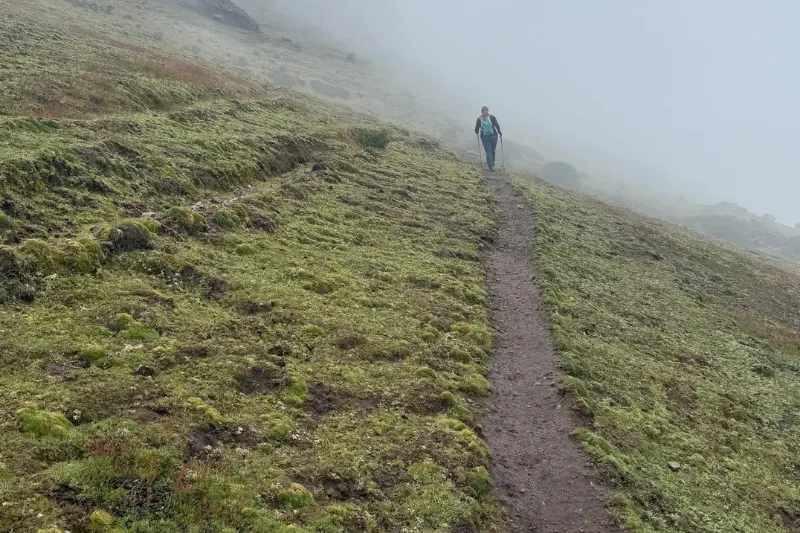
Moderate to challenging, that’s the honest number. Trails aren’t technical, no scrambling, well-worn dirt and stone the whole way. The Lares trek elevation is the actual problem. Thin air at altitude turns routine inclines into something else, catches people off guard more than anything else on this route.

Day-by-Day Lares Trek Itinerary

Four days, three nights, standard Lares trek to Machu Picchu format. Operators vary slightly but the arc through the Andes stays consistent. Each day different, each one demanding in its own specific way.

Day 1: Cusco to the Lares Valley and the First Camp

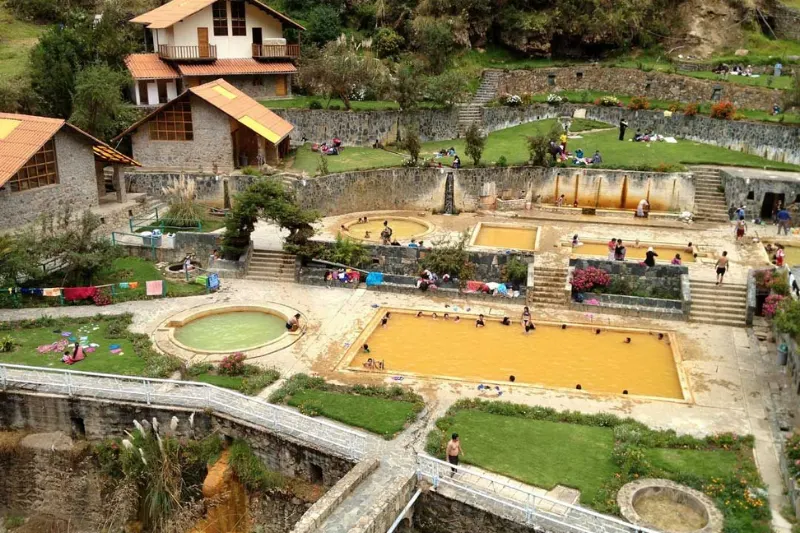
Three-hour drive from Cusco through the Sacred Valley up into the mountains. Most agencies gather trekkers near the Cusco Historic Center before heading out toward the valley. Hot springs before hiking starts, thermal baths between 36°C and 44°C, mineral-rich water locals have used for generations to treat everything from joint pain to general exhaustion.

Three to four hours of gentle uphill after that, proper introduction to Lares trekking rather than an immediate test. Streams, alpacas, campsite near Wacahuasi around 3,800 meters. Stars at that altitude are something different. Can’t really describe it, just looks different.

Day 2: The High Pass and Glacial Lakes

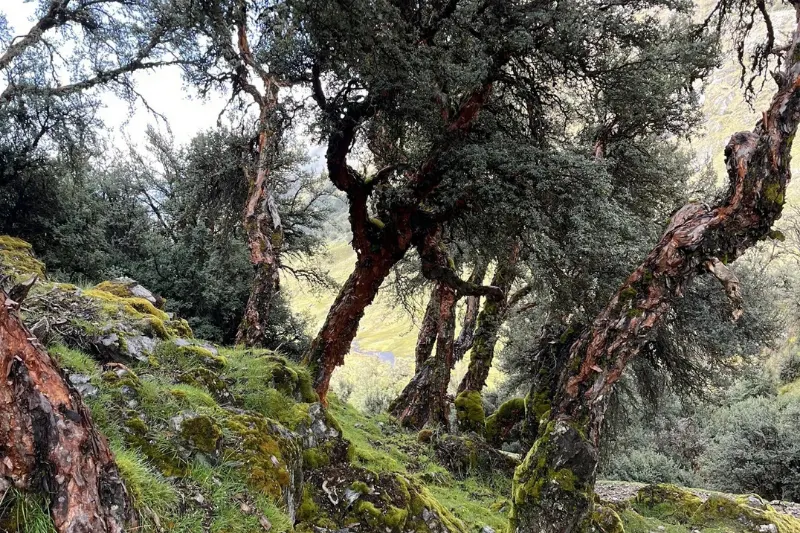
Hardest day and the most visually rewarding, both at once. Coca tea to the tent before sunrise, then steep relentless climbing through shifting microclimates. Vegetation drops away as the height builds, ichu grass and rocky terrain taking over.

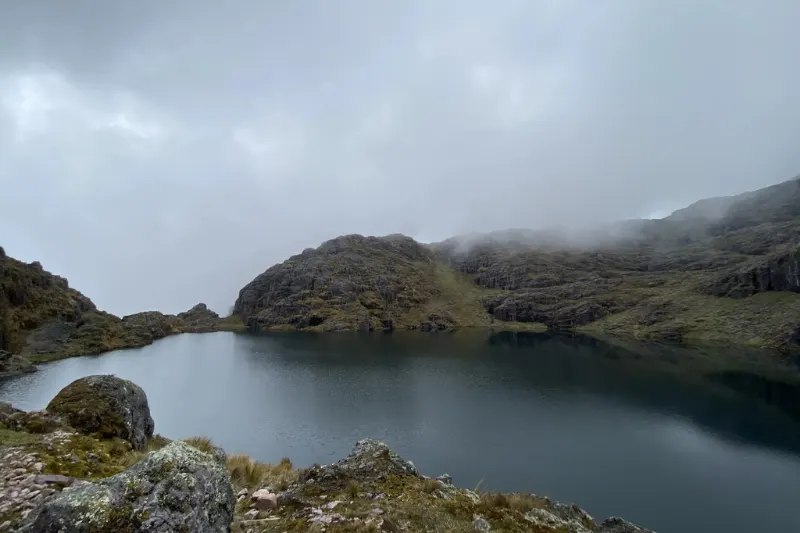
Ipsaycocha Pass at 4,450 meters at the top. Mount Veronica glacier and snow-dusted peaks all opening up after hours of looking at nothing but trail directly ahead. Lake Ipsaycocha on the descent, crystal clear and very cold. Down to Patacancha around 3,750 meters by afternoon, community built around weaving, textiles available straight from the people who made them that morning.

Day 3: Down to the Sacred Valley and the Iron Horse

Day three shifts everything. High harsh Andes give way to warmer, greener, breathable terrain descending toward Ollantaytambo. Inca-era terraces lining the path, village of Willoq another active Quechua community on the way down, then a vehicle for the final stretch.

Ollantaytambo is a well-preserved Inca town, massive fortress, ancient cobbled streets. Dinner there, train to Aguas Calientes after, tracks following the Urubamba through narrow gorges and cloud forest. Hotel that night. Real bed. Hot shower.

Day 4: The Machu Picchu Hike and Exploration

4am start, no negotiating that. Shuttle up the Hiram Bingham highway or the steep hour-long Machu Picchu hike on ancient stone steps for those who want it. Morning mist burning off as the sun clears Huayna Picchu, two to three hour guided tour through the ruins. Free time after to sit somewhere quiet and actually absorb that the Lares trek to Machu picchu just finished. Train back in the afternoon, bus to Cusco, done.

lares trek to machu picchu

Mastering the Altitude: Prevention and Acclimatization

The Lares trek elevation peaks at 4,450 meters, Cusco already sitting at 3,400. Understanding how Cusco’s altitude affects your travel experience before the trek starts matters more than most people realize. Altitude sickness hits experienced hikers and first-timers equally, skipping acclimatization is how people find out the hard way.

  • Hydrate hard: Three to four liters daily, altitude pulls moisture out faster than expected.
  • Coca tea: Worth knowing what are the effects of coca leaf tea before arriving, it genuinely takes the edge off and locals have used it at these elevations for a very long time.
  • Diamox: One doctor conversation before leaving, have it before the flight.
  • Slow down: “Poco a poco” on the Lares trail Peru isn’t a suggestion from guides, it’s a rule.
  • Eat light: Digestion slows at altitude, heavy meals make everything worse.

An Acclimatization Guide for Sacred Valley

Land in Cusco, don’t start the Lares trek to Machu Picchu the next morning. First day is slow walking, rest, coca tea, no alcohol. Second day drop into the Sacred Valley, 2,800 to 2,900 meters, easier on the body. Third day gentle walks, easy ruins, climb high sleep low. Fourth day, go.

Weather and the Best Time to Go

Dry season May through September is the window for the Lares trek to Machu Picchu. The best time to visit Peru broadly follows the same Andean cycle, wet season November through April means rain, mud, and limited visibility on the passes:

  • May: Green from recent rains, skies mostly clear, best single month by most accounts.
  • June to August: Driest and clearest, peak season. Nights below -5°C, pack for that specifically.
  • September to October: Shoulder season, warming, fewer people, sporadic rain begins.
  • November to April: Wet season, February worst month, many operators stop entirely.

lares trek to machu picchu

High Altitude Packing List Essentials

Multiple microclimates, high passes, subtropical finish. The Lares trek to Machu Picchu requires layering done right. Two bags, daypack carried personally, duffel on the animals, usually capped at seven kilograms.

Clothing and Footwear

  • Trekking boots: Waterproof, broken in before Peru, solid ankle support.
  • Base layers: Moisture-wicking merino or synthetic, cotton causes real problems here.
  • Mid layers: Warm fleece and packable down or synthetic jacket.
  • Outer layer: Windproof and waterproof shell, mountain weather changes without warning.
  • Trekking pants: Lightweight, quick-drying, convertible useful for the warmer day three descent.
  • Socks: Four to five merino wool pairs, feet take serious punishment on this route.
  • Camp shoes: Sandals or light shoes, feet need actual downtime each evening.

Trekking Gear

  • Sleeping bag: Rated to at least -10°C, most agencies rent these.
  • Sleeping liner: Extra warmth, keeps the rented bag clean.
  • Headlamp: Early Machu Picchu morning and campsite navigation, spare batteries always.
  • Hydration: Two-liter bladder or bottles minimum for long climbing sections.

Health, Hygiene, and Extras

  • Sun protection: High-SPF sunscreen, lip balm, polarized sunglasses, wide-brimmed hat.
  • First aid: Blister pads, ibuprofen, personal meds, altitude pills, hand sanitizer.
  • Cash in soles: Small bills for tips, restrooms, drinks, textiles straight from weavers.
  • Power banks: Cold kills batteries fast up here, more than one is the smart call.

Preparing Physically and Mentally

Two to three months of consistent work before booking a tour Lares trek changes the experience significantly once the trail starts. Not elite fitness, just steady and specific preparation:

  • Cardio: Running, cycling, or swimming forty-five minutes minimum, three times weekly.
  • Leg strength: Squats, lunges, step-ups for the relentless ascents and descents.
  • Practice hikes: Local trails with elevation, full pack weight, exact boots and socks planned for Peru.

The mental side hits just as hard on Lares trekking. Lungs burning, legs gone, cold at camp, those moments come without exception. They’re also what makes the pass views and Machu Picchu arrival land the way they do. Real curiosity about the Quechua communities and flexibility when things get uncomfortable, that’s what separates people who endure this from people who remember it properly.

lares trek to machu picchu

Etiquette and Responsible Trekking

The Lares trail Peru passes through living communities and ancestral land. Behavior there matters to people who live it year round, not just walk through once:

  • Ask before photographing: Permission first, small tip in return is fair.
  • Buy directly: Textiles from the weavers go 100% to local families, no middlemen.
  • Leave no trace: All trash out, waste buried, toilet paper packed sealed.
  • Respect trail staff: Guides, cooks, horsemen work hard. Tip well, learn a few Quechua words.

The Culinary Experience on the Trail

Packet meals are not what happens on a properly run Lares trek to Machu Picchu. Trekking chefs on portable gas stoves, three hot nutritious meals daily regardless of altitude or conditions. Consistently better than people expect.

Breakfast is porridge, quinoa pancakes, omelets, fresh fruit, coca tea and coffee. Lunch opens with rich soup, then rice, potatoes, vegetables, chicken or local trout. Dinner similar, local specialties like Lomo Saltado or Aji de Gallina appearing regularly. All built specifically around complex carbohydrates to fuel the hiking days and help with acclimatization.

lares trek to machu picchu

Concluding Your Journey

Standing at Machu Picchu after finishing the Lares Trek to Machu Picchu hits differently than stepping off a train. Nobody disputes the ruins are spectacular. Most people who finish this route find them to be punctuation at the end of a longer, richer sentence though.

Hot springs on a cold morning. Ipsaycocha Pass opening up after hours of staring at trail. Weaving colors against gray rock. Quechua kids. Llamas beside glacial lakes. Stacks into something the ruins alone couldn’t deliver, not even close.

The Lares trail Peru reaches something older and quieter than most travel gets to. Physical preparation, proper acclimatization, genuine openness to what the route actually is. That combination turns a solid Machu Picchu trek into something a person carries around for a long time after.