+51 980 852 691 +51 930 842 108 [ES] info@andeantrekkingperu.com Calle Marques 231 Int. 115. CC Sotomayor.
Contact Us

Machu Picchu 3-Day Trek: Essential Tips & Gear

Preparation is crucial when setting out on a 3-day Machu Picchu trek. Proper planning will ensure that youre physically and mentally ready to tackle the challenges of the trail.

Preparing Your Body for the Trek

Trekking to Machu Picchu is a physically demanding activity. Youll be hiking for several hours a day, often at high altitudes, which can be taxing on the body. To prepare, start a fitness routine several months before your trip. Focus on building endurance through activities like walking, running, or cycling. Incorporate strength training exercises to build muscle, particularly in your legs and core.

In addition to endurance and strength, flexibility is crucial. Incorporate stretching or yoga into your routine to prevent injuries and enhance your mobility. Also, consider simulating your trek conditions by hiking with a loaded backpack. This practice helps your body adjust to the weight you will carry and improve your overall stamina on the trail.

Finally, dont underestimate the importance of mental preparation. Long hikes can be mentally challenging, so practice mindfulness or meditation to enhance your focus and resilience. Building mental stamina will help you overcome tough sections of the trail and keep a positive attitude throughout your trek.

Acclimatizing to High Altitude

Machu Picchu 3-Day Trek

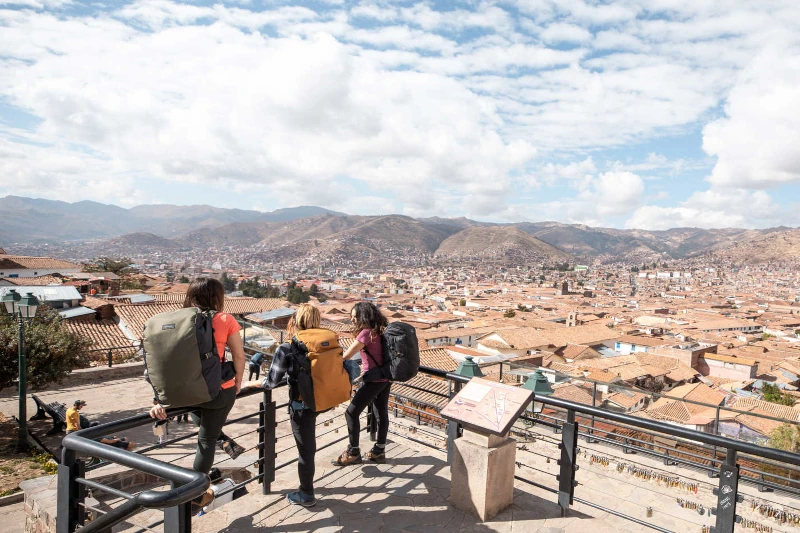
Altitude sickness is a common concern for trekkers in the Andes. Spend a few days in Cusco or another  Cusco’s altitude location before starting your trek to acclimate your body. Drink plenty of water, eat light meals, and avoid alcohol to help your body adjust to the thinner air.

Engage in light activities while you acclimate, such as walking tours in Cusco. This gentle approach allows your body to get used to the lower oxygen levels without overexertion. You might also consider natural remedies like coca tea, a traditional Andean drink believed to help with altitude of Machu Picchu adjustment.

Pay attention to your bodys signals and rest when necessary. If symptoms of altitude sickness persist, consult with a local healthcare provider. They can offer further advice or medication if needed, ensuring that youre ready to embark on your trek safely.

 Planning Your Trek Itinerary

A well-thought-out itinerary can make a significant difference. Research different routes and decide whether you want to embark on the classic Inca Trail or alternative treks like the Salkantay or Lares routes. Each offers unique landscapes and experiences.

Consider the time of year for your trek. The dry season, from May to September, is ideal due to more stable weather conditions. However, its also the busiest time, so expect more crowds. Weigh these factors to create a trek that suits your preferences and fitness level.

Finally, incorporate rest days into your itinerary. These allow you to recover, acclimate, and explore cultural sites en route, enriching your overall experience.

 Essential Gear for a Machu Picchu Trek

Having the right gear is essential for a comfortable and successful trek. Heres a list of must-have items for your Machu Picchu hiking adventure.

Choosing the Right Footwear

Invest in a good pair of hiking boots that offer support and have a sturdy sole. Make sure to break them in before your trip to avoid blisters and discomfort on the trail. Bring a pair of lightweight, comfortable shoes for relaxing at campsites.

Consider the terrain when selecting your boots. The trails can be rocky and uneven, so choose boots with good ankle support and grip. Waterproof boots are also beneficial, especially during the wet season, to keep your feet dry and comfortable.

In addition to boots, pack high-quality hiking socks that wick moisture away from your skin. This helps prevent blisters and keeps your feet dry and comfortable throughout your trek. Bring a few extra pairs to switch out if they get wet.

Clothing and Layering for Andean Weather

Machu Picchu 3-Day Trek

Layering is key when trekking in varying weather conditions. Pack moisture-wicking base layers, insulating mid-layers, and a waterproof outer layer. Dont forget a hat, gloves, and sunglasses for sun protection.

Consider the temperature fluctuations when selecting your clothing. Early mornings and evenings can be chilly, while daytime temperatures can rise significantly. Versatile clothing that can be easily adjusted will ensure your comfort throughout the day.

Invest in quality materials for your clothing. Merino wool or synthetic fabrics are excellent choices for base layers as they offer warmth, breathability, and moisture control. Also, lightweight and quick-dry materials are advantageous for the unpredictable Andean weather.

 Backpacks and Packing Strategy

Choose a durable backpack with a capacity of 30-40 liters to carry your essentials. Look for one with a comfortable fit and adjustable straps. Use a waterproof cover to protect your gear from rain.

Ensure your backpack has multiple compartments for organization. This makes it easier to access essential items quickly without unpacking everything. Features like a padded hip belt and back support enhance comfort during long hikes.

Practice packing your backpack before your trip to ensure youre comfortable with the weight distribution. This helps prevent unnecessary strain on your back and allows you to identify any non-essential items you can leave behind.

Trekking Essentials and Safety Gear

Trekking poles for added stability can significantly reduce the impact on your joints, especially during descents. They also aid in balance, making them a valuable addition to your gear.

Reusable water bottles or a hydration system are crucial for staying hydrated. Consider bottles with built-in filters if you plan to refill from natural water sources. Snacks for energy, like nuts, dried fruits, and energy bars, are essential to sustain your energy levels.

A headlamp with extra batteries is vital for navigation during early morning starts or late finishes. A first aid kit with altitude sickness medication ensures youre prepared for minor injuries or health issues during your trek.

 Extra Considerations for the Inca Trail

If youre planning to hike the Inca Trail, there are a few additional considerations to keep in mind.

The Inca Trail to Machu Picchu is a popular route, and permits are limited. Book your trek well in advance, ideally six months prior, to secure your spot. Choose a reputable tour operator that provides experienced guides and quality equipment.

Research different tour operators to find one that matches your expectations and budget. Look for reviews and testimonials from previous trekkers to gauge their reliability and service quality. A good operator will enhance your experience and ensure your safety.

Consider group size when booking your trek. Smaller groups often provide a more personalized experience, while larger groups can offer social opportunities. Choose what suits you best, keeping in mind the level of attention and guidance you prefer.

Understanding the Classic Inca Trail Route

Machu Picchu 3-Day Trek

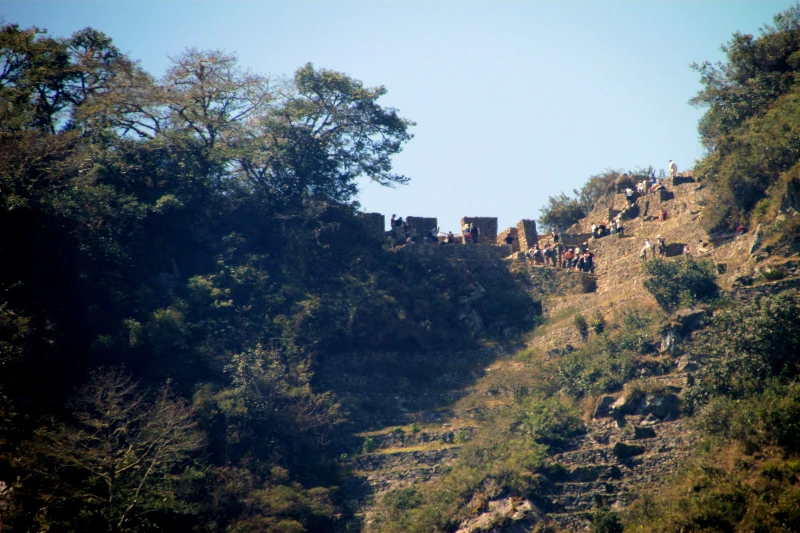
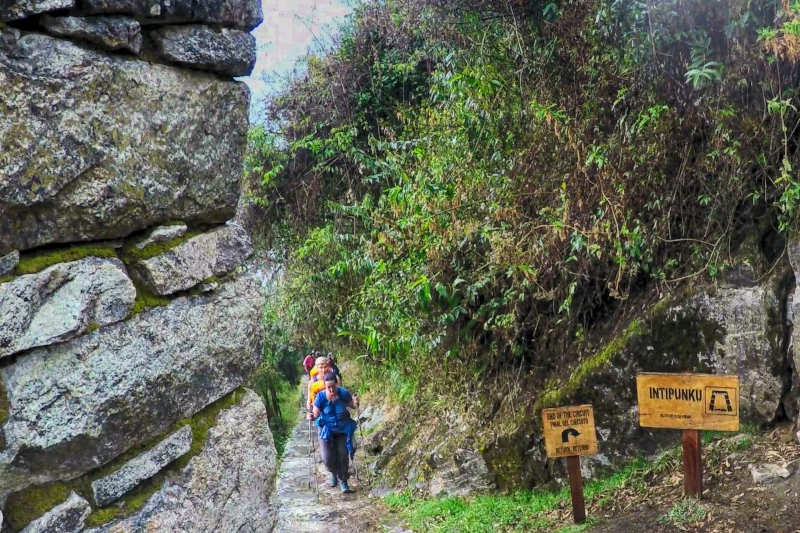
The short Inca Trail spans approximately 26 miles and takes about four days to complete. Along the way, youll encounter breathtaking scenery, ancient ruins, and diverse ecosystems. Familiarize yourself with the trails layout and daily itinerary to mentally prepare for the journey.

Learn about significant landmarks and their historical importance. This knowledge will enrich your experience and provide context to the sites you visit. Understanding the trails challenges, such as steep ascents or descents, helps in preparing physically and mentally.

Be aware of the daily schedule, including wake-up times, meal breaks, and expected arrival times at campsites. This structure helps you pace yourself and manage your energy levels effectively throughout the trek.

 Responsible and Sustainable Trekking

Preserving the natural beauty of the Inca Trail trek is crucial. Follow Leave No Trace principles by packing out all trash, staying on designated paths, and respecting wildlife and local communities.

Educate yourself on local customs and cultural practices. This awareness fosters respect and appreciation for the communities you encounter. Supporting local economies by purchasing from local vendors contributes positively to the region.

Participate in responsible tourism by minimizing your environmental footprint. Use biodegradable products and avoid single-use plastics. Your conscientious actions help preserve the trail for future generations.

 Making the Most of Your Time at Machu Picchu

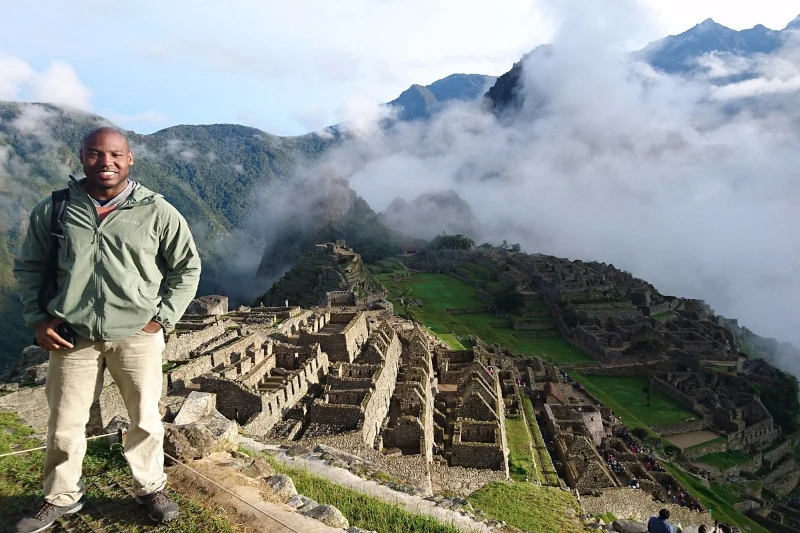
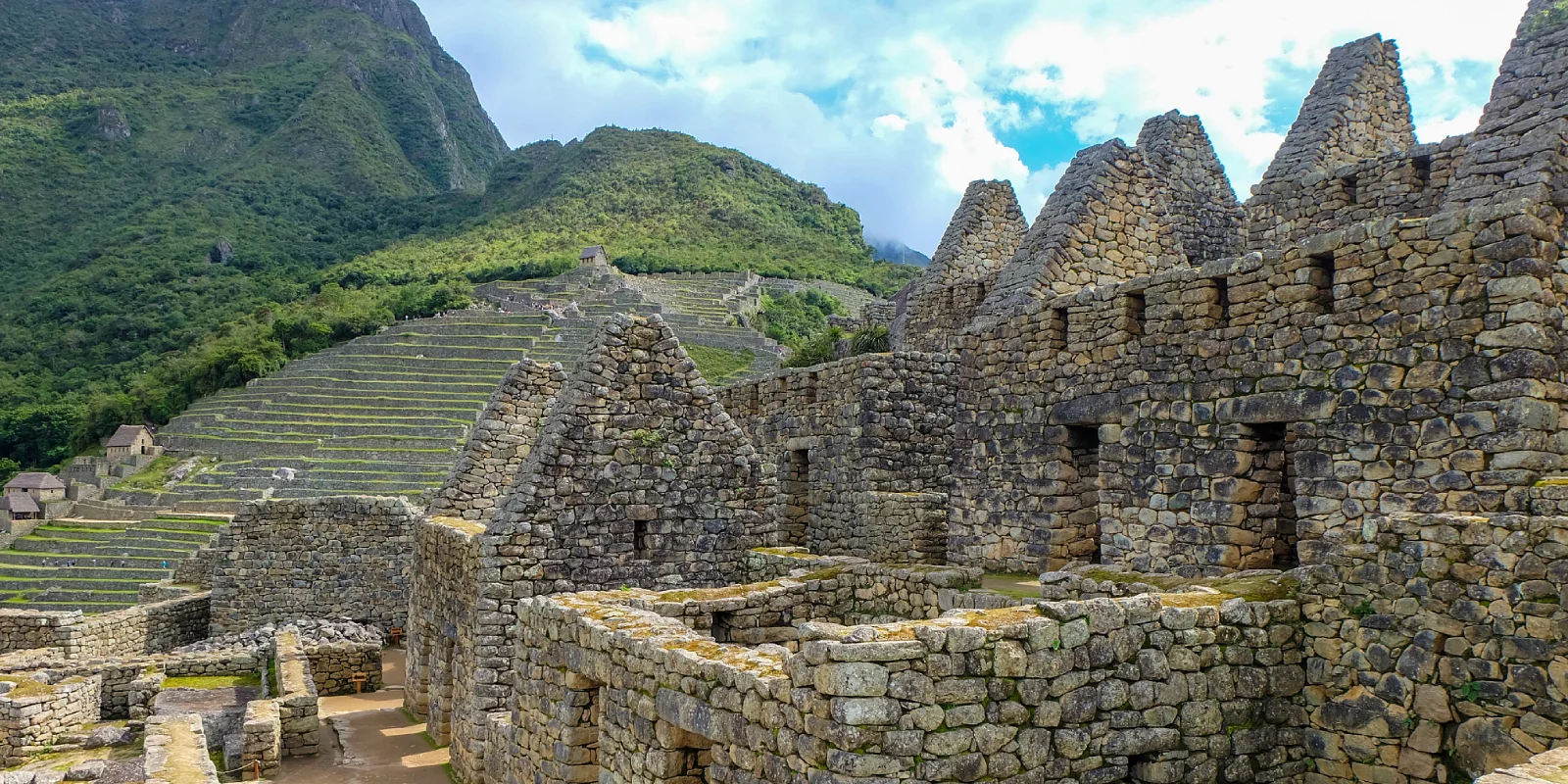
Reaching Machu Picchu is the pinnacle of your trek. To fully appreciate this wonder of the world, consider these tips.

Arriving at Machu Picchu early in the morning allows you to witness the sunrise over the ruins, a truly magical experience. Alternatively, visiting later in the afternoon may offer fewer crowds and a more peaceful atmosphere.

Consider the season when timing your visit. The dry season offers clearer skies, enhancing your chances of a spectacular sunrise. However, the wet season provides dramatic cloud formations that add to the mystical ambiance of the site.

 Plan for contingencies like weather changes or unexpected delays. Flexibility in your schedule ensures you can adapt and make the most of your visit, regardless of circumstances.

Machu Picchu 3-Day Trek

Exploring Machu Picchu in Depth

Take your time exploring the site and absorbing its history. Consider hiring a knowledgeable guide who can provide insights into the significance of the ruins and the Inca civilization.

Allocate ample time to explore lesser-known sections of the site. Areas like the Sun Gate or the Inca Bridge offer unique perspectives and are often less crowded, allowing for a more intimate experience.

Engage with interpretive materials or guidebooks available at the site. These resources provide additional context and enrich your understanding of Machu Picchus historical and cultural significance.

Capturing Memories Respectfully

Dont forget to bring a camera or smartphone to capture the stunning landscapes and your triumphant arrival at Machu Picchu. Respect the rules regarding photography and drones to ensure the site remains protected for future generations.

Consider taking photos during different times of day for varied lighting and ambiance. The changing light can highlight different aspects of the ruins, offering diverse photographic opportunities.

Create a balance between capturing moments and being present. While photos are valuable keepsakes, experiencing the site fully through your senses creates lasting memories that photos alone cannot capture.

 Health, Hydration, and Nutrition

Staying healthy and safe is a priority when trekking to Machu Picchu day trip.Drink plenty of water to stay hydrated, especially at high altitudes. Pack high-energy snacks like nuts, dried fruit, and energy bars to keep your energy levels up.

Monitor your hydration levels by checking the color of your urine; it should be light yellow. Dehydration can exacerbate altitude sickness, so maintain consistent water intake throughout your trek.

Plan your meals to ensure you consume balanced nutrition. Incorporate a mix of carbohydrates, proteins, and fats to sustain your energy and support muscle recovery after long hikes.

Recognizing and Managing Altitude Sickness

If you experience symptoms of altitude sickness, such as headaches, dizziness, or nausea, inform your guide immediately. Rest, hydrate, and descend to a lower altitude if necessary.

Preventative measures like taking altitude sickness medication before your trek can minimize symptoms. Consult with a healthcare provider to determine the best approach for you.

Be aware of severe symptoms, such as confusion or difficulty breathing, which require immediate medical attention. Prompt action ensures your safety and well-being during your adventure.

Communication and Emergency Preparedness

Machu Picchu 3-Day Trek

While the trek is an opportunity to disconnect, its wise to have a means of communication in case of emergencies. Check with your tour operator about available options, such as satellite phones or radios.

Download offline maps and translation apps before your trip. These resources can be invaluable in navigating and communicating, especially in remote areas with limited connectivity.

Inform family or friends about your itinerary and check-in points. Regular updates provide reassurance and ensure someone knows your whereabouts in case of emergencies.

A Once-in-a-Lifetime Adventure

A Machu Picchu trip is a once-in-a-lifetime experience that requires preparation, the right gear, and an understanding of the journey ahead. By following these tips, youll be well-equipped to tackle the challenges of the trail and fully enjoy the beauty and history of this iconic destination. Whether youre embarking on a 3-day Machu Picchu trek or hiking the renowned Inca Trail tour, your adventure will be one for the books. Happy trekking!