+51 980 852 691 +51 930 842 108 [ES] info@andeantrekkingperu.com Calle Marques 231 Int. 115. CC Sotomayor.
Contact Us

Understanding the Inca Trail Elevation Challenges

The inca trail is, alpine tundra, and ancient Inca ruins. The elevation of the Inca Trail is one of its most daunting aspects, with altitudes ranging from about 8,000 feet (2,400 meters) to nearly 14,000 feet (4,200 meters) at its highest point, the Dead Woman’s Pass.

The Inca Trail isn’t just a physical journey; it’s a voyage through history. Originally part of a vast network of roads used by the Inca civilization, this trail was vital for communication, trade, and defense. Walking the Inca Trail today allows trekkers to follow in the footsteps of Inca messengers, known as “chaskis,” who once relayed messages across the empire. As you navigate this ancient route, each stone path and ruin tells a story of the Inca’s sophisticated engineering and vibrant culture.

The Inca Trail: An Overview

The journey along the Inca Trail trek is as much about the landscapes as it is about the destination. As you trek through cloud forests, you’ll be enveloped by mist and lush vegetation, home to exotic flora and fauna. Transitioning into the alpine tundra, the terrain becomes more rugged, with sweeping views of snow-capped peaks. These dramatic shifts in scenery not only offer visual delight but also challenge hikers with varying climates and terrains, requiring adaptability and preparation.

Historical Significance of the Inca Trail

For many, hiking the Inca Trail is a spiritual experience. The path is dotted with significant archaeological sites, each with its own mystique and history. The trail culminates at Machu Picchu, a site considered sacred by the Incas. Along the way, trekkers often engage in personal reflection, inspired by the ancient surroundings and the physical demands of the journey. This spiritual dimension adds another layer to the trek, transforming it from a mere Machu Picchu hike into a pilgrimage.

Understanding the Elevation Changes

The elevation of the Inca Trail poses a unique challenge for hikers. Starting at Km 82, the trail gradually ascends through the Sacred Valley and Machu Picchu tour, reaching its highest point at Dead Woman’s Pass. This section of the trail is known for its steep incline and challenging switchbacks. From there, the trail descends into the Pacaymayo Valley before ascending again to the second pass, Runkurakay. The constant changes in elevation can be taxing on the body, especially for those not acclimated to high altitudes.

Dead Woman’s Pass: The Highest Point

Dead Woman’s Pass is notorious among trekkers for its demanding climb. Reaching this point requires navigating a series of steep switchbacks that test even seasoned hikers. The ascent is not just a physical challenge but also a mental one, as the thin air and steep gradient demand perseverance and resilience. Upon reaching the summit, however, hikers are rewarded with awe-inspiring views and a profound sense of accomplishment.

After the rigorous climb to Dead Woman’s Pass, the descent into the Pacaymayo Valley offers a brief respite. This section of the trail is marked by its lush vegetation and the soothing sound of flowing streams. However, the descent can be tough on the knees, requiring careful footing and the use of trekking poles for support. The valley serves as a natural amphitheater, amplifying the sounds of nature and providing a serene environment for rest and reflection.

Runkurakay Pass and Final Descent

inca trail elevation

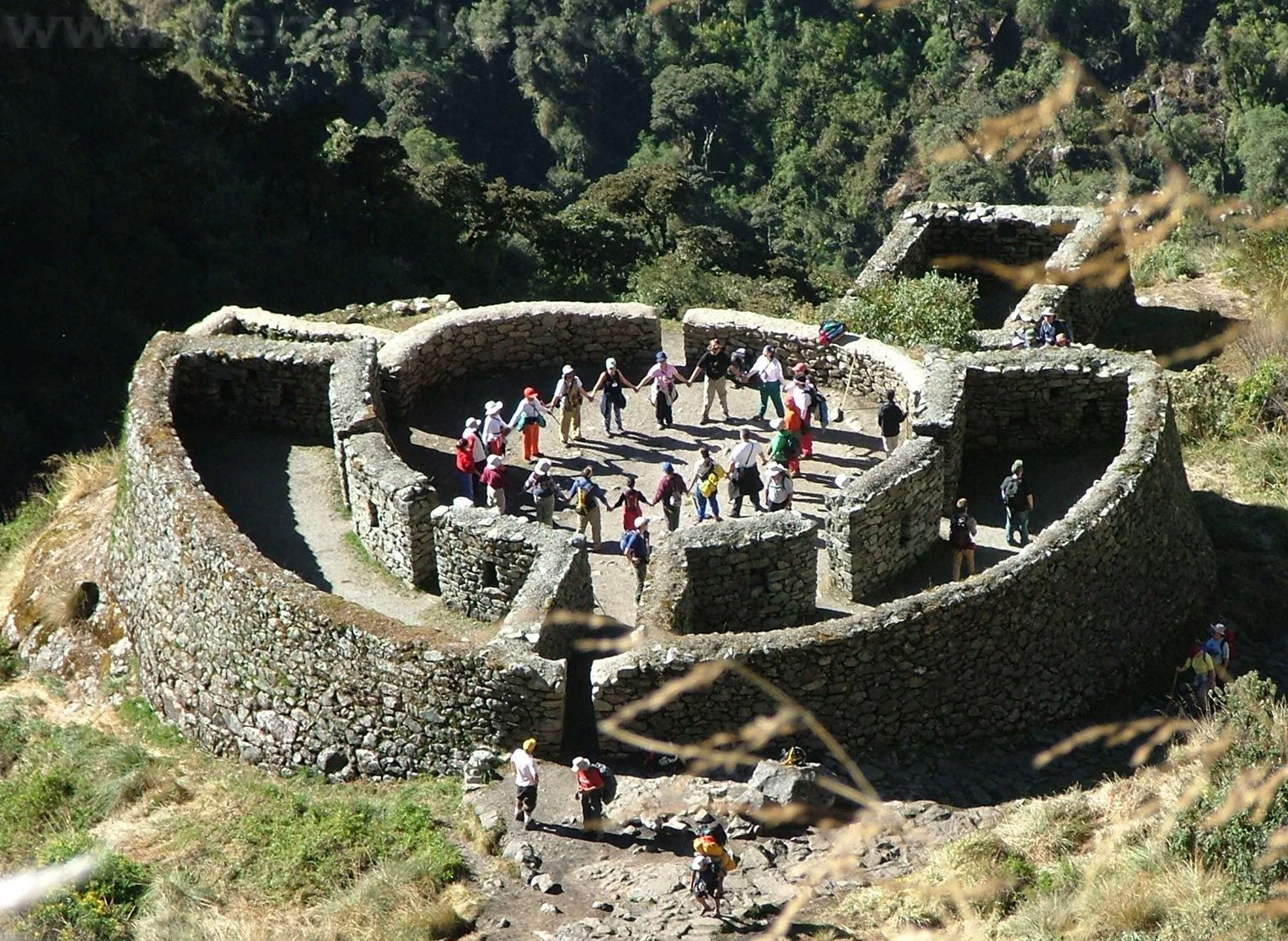
Climbing to Runkurakay Pass presents another elevation challenge, albeit with different characteristics from Dead Woman’s Pass. The ascent is more gradual, but the higher elevation can still make breathing difficult. As you approach the pass, the landscape opens up to reveal stunning vistas of the surrounding mountains and valleys. This section of the trail is a testament to the varied topography of the Andes, offering both challenges and rewards for those who undertake the trek.

    • Starting Point (Km 82): 8,923 feet (2,720 meters)

    • Dead Woman’s Pass: 13,780 feet (4,200 meters)

    • Runkurakay Pass: 12,960 feet (3,950 meters)

    • Machu Picchu: 7,972 feet (2,430 meters)

The journey begins at Km 82, where anticipation and excitement fill the air. At an elevation of 8,923 feet (2,720 meters), the starting point sets the tone for the adventure ahead. Here, trekkers meet their guides and fellow adventurers, forging bonds that will carry them through the challenges of the trail. The initial stage is characterized by gentle ascents, allowing hikers to acclimate to the altitude and the rhythm of the trek.

Dead Woman’s Pass, the highest point on the trail, is a milestone for any trekker. At 13,780 feet (4,200 meters), reaching this summit requires grit and determination. The air is thin, and the climb is steep, but standing at the top offers a panoramic view that makes the effort worthwhile. This point is often considered the psychological halfway mark, offering a boost of confidence for the journey ahead.

The Spiritual Journey of Hiking the Andes

The final descent to Machu Picchu is a gradual one, as trekkers make their way from the heights of the Andes to the cloud forest below. At 7,972 feet (2,430 meters), Machu Picchu is nestled in a lush, verdant landscape, contrasting sharply with the stark alpine tundra left behind. The descent is filled with anticipation and excitement, as the legendary Lost City of the Incas comes into view, marking the culmination of an epic journey.

Altitude Sickness: What to Look For

Altitude can significantly affect your hiking experience on the Inca Trail. As you ascend, the air becomes thinner, making it harder for your body to obtain the oxygen it needs. This can lead to altitude sickness, which manifests as headaches, dizziness, nausea, and fatigue. It’s important to recognize these symptoms early and take appropriate action to prevent more serious health issues.

Altitude sickness can affect anyone, regardless of age, fitness level, or prior experience. Symptoms often begin with a headache, coupled with dizziness and nausea. As the condition progresses, fatigue sets in, making every step feel like a monumental effort. Recognizing these early signs is crucial, as ignoring them can lead to more severe conditions like high-altitude cerebral or pulmonary edema, which require immediate medical attention.

Preventing Altitude Sickness

inca trail elevation

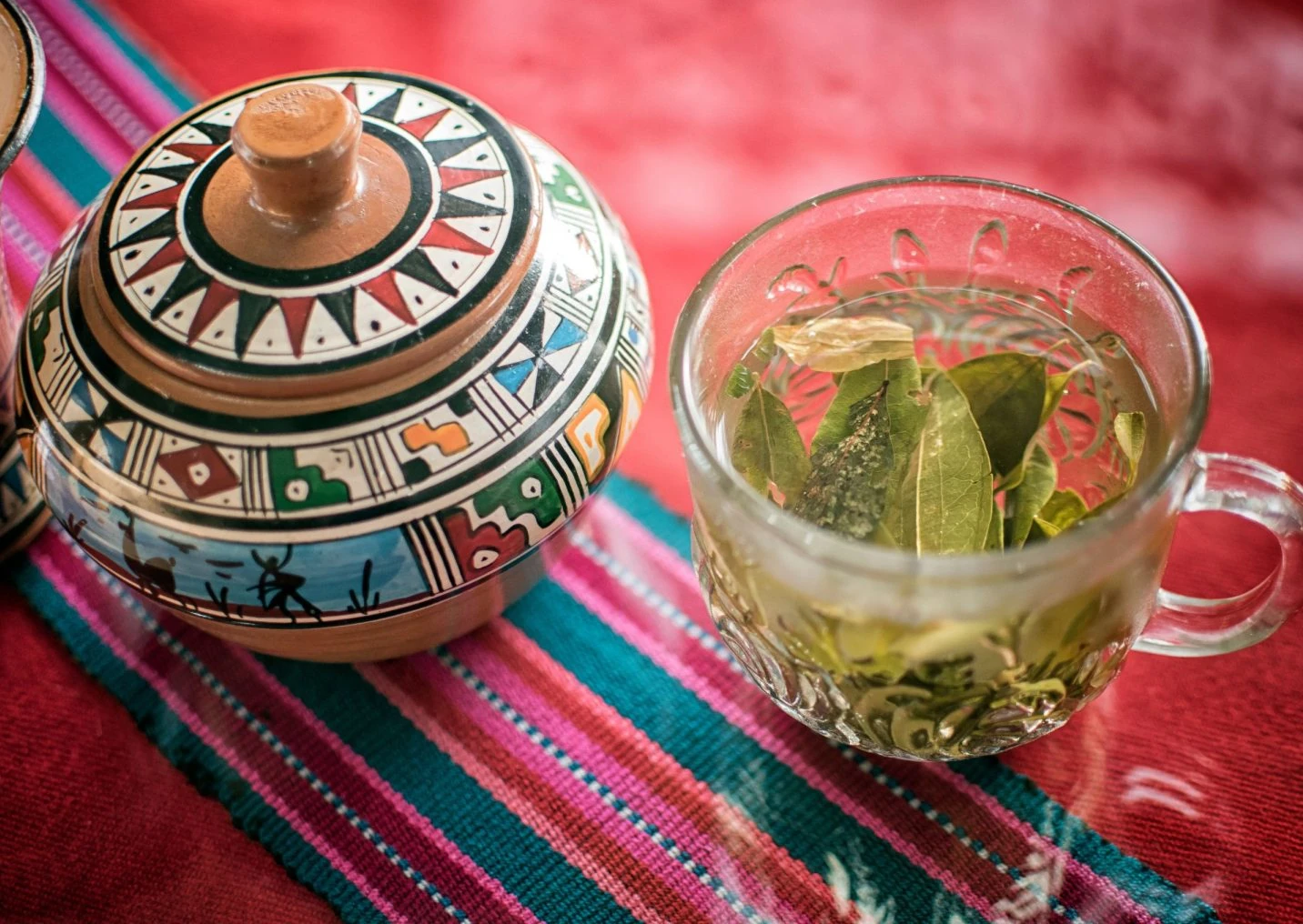
Preventing altitude sickness starts with acclimatization. Spending time in high-altitude cities like Cusco allows your body to adjust gradually. Staying hydrated is equally important, as dehydration can exacerbate symptoms. Many trekkers find relief in herbal remedies like coca leaf tea, traditionally used in the Andes to combat altitude effects. Simple practices like taking deep breaths and maintaining a steady pace can also help your body adjust to the thinner air.

Even with preparation, some trekkers may still experience altitude sickness. If symptoms arise, it’s essential to communicate with your guide and fellow trekkers. Resting and descending to a lower elevation can alleviate symptoms, allowing your body to recover. In some cases, medication like acetazolamide (Diamox) can be used to mitigate symptoms, but it’s important to consult a healthcare professional before your trip to ensure it’s safe for you.

    1. Acclimatize Before Your Trek: Spend a few days in Cusco or the Sacred Valley before starting your hike to allow your body to adjust to the altitude.

    1. Stay Hydrated: Drink plenty of water to help your body cope with the high altitude. Avoid alcohol and caffeine, as they can contribute to dehydration.

    1. Take It Slow: Pace yourself and listen to your body. It’s better to go slowly and enjoy the journey than to rush and risk altitude sickness.

    1. Consider Medication: Consult with your doctor about taking altitude sickness medication, such as acetazolamide (Diamox), to help prevent symptoms.

    1. Eat Carbohydrates: Consuming a diet rich in carbohydrates can provide your body with the energy it needs to tackle the challenging elevations.

Acclimatization  Tips

Acclimatization is crucial for a successful trek. Arriving in Cusco or the Sacred Valley a few days before your hike gives your body time to adapt to the altitude. During this period, engage in light activities and explore the local culture, allowing your body to adjust naturally. This preparation not only helps your body but also enriches your experience, offering insights into the region’s history and traditions.

Proper hydration and nutrition play vital roles in managing altitude. Water helps maintain bodily functions and prevents dehydration, which can worsen altitude sickness. Incorporating a diet rich in carbohydrates provides the energy needed for long hikes, supporting sustained physical activity. Avoiding alcohol and caffeine is also advisable, as these substances can dehydrate the body and impair acclimatization.

Listening to your body is paramount when trekking at high altitudes. Pay attention to signs of fatigue or discomfort, and don’t hesitate to take breaks as needed. Pacing yourself allows for a more enjoyable experience and minimizes the risk of altitude sickness. Remember, the journey is as important as the destination, and taking the time to appreciate the surroundings can enhance your trek.

If you’re concerned about the elevation challenges of the Inca Trail to Machu Picchu, consider exploring alternative routes like the Salkantay or Lares Treks. These treks offer unique experiences and stunning views, with varying levels of difficulty and altitude.

The Spiritual Journey of Hiking the Andes

The Salkantay Trek is a popular alternative to the short  Inca Trail, known for its breathtaking scenery and diverse landscapes. The trek reaches its highest point at the Salkantay Pass, at an elevation of 15,213 feet (4,638 meters). While this trek is more challenging in terms of altitude, it offers a less crowded experience and the opportunity to see the stunning Salkantay Mountain.

The Lares Trek is another excellent option for those seeking an off-the-beaten-path adventure. This trek takes you through traditional Andean villages, offering a glimpse into local culture and customs. The highest point on the Lares Trek is the Ipsaycocha Pass, at an elevation of 14,272 feet (4,350 meters). The trek is considered moderate in difficulty and provides a more intimate experience with fewer hikers.

Selecting the right trek depends on your preferences and physical readiness. The Salkantay Trekking is ideal for those seeking solitude and a challenging hike, with its high altitude and dramatic landscapes. Conversely, the Lares Trek offers cultural immersion and moderate difficulty, appealing to those interested in local traditions and community interactions. Both treks provide unique perspectives on the Andean region, ensuring a memorable experience regardless of the path chosen.

Experiencing Machu Picchu and Huayna Picchu

inca trail elevation

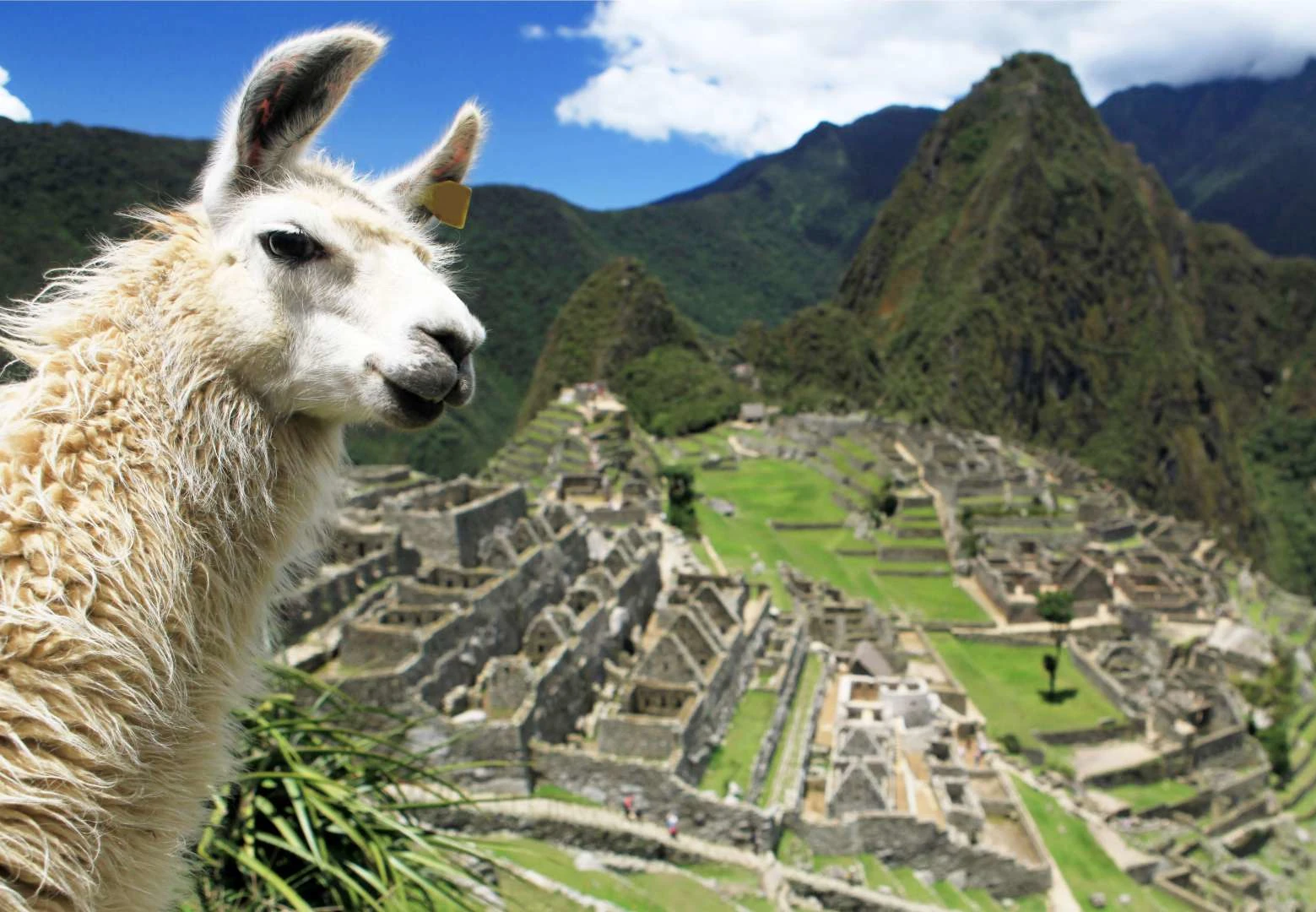
Reaching Machu Picchu is the highlight of any trek through the Andes. For those looking to extend their adventure, consider hiking Huayna Picchu, the iconic peak that towers over the ancient city. The trail to Huayna Picchu is steep and challenging, with an elevation gain of about 1,000 feet (300 meters) from Machu Picchu. However, the panoramic views from the summit are well worth the effort.

Huayna Picchu stands as a beacon for those visiting Machu Picchu, offering a challenging yet rewarding climb. The narrow trail winds up the steep mountainside, with sections that require careful navigation. Despite the effort required, the summit provides breathtaking views of Machu Picchu and the surrounding landscape, creating a sense of awe and accomplishment. This climb is not for the faint-hearted but offers an unparalleled perspective for those who dare.

When planning your visit to Machu Picchu, keep in mind that tickets are required for both the citadel and Huayna Picchu. These tickets can sell out quickly, especially during peak season, so it’s essential to book in advance. Additionally, consider visiting during the early morning or late afternoon to avoid the crowds and enjoy a more serene experience.

Key Tips for a Successful Trek

Embarking on a trek through the Andes requires careful preparation, especially when it comes to managing elevation challenges. Here are some final tips to ensure a successful journey:

  • Train Before Your Trip: Build your endurance and strength by incorporating hiking and cardiovascular exercises into your routine.

  • Pack Wisely: Bring appropriate gear, including layers for varying temperatures, a comfortable backpack, and sturdy hiking boots.

  • Hire a Guide or Tour Operator: Consider hiring a knowledgeable guide or joining a reputable tour operator to enhance your experience and ensure your safety.

Preparing physically for the trek is essential to handle the demanding terrain and high altitudes. Engage in regular cardiovascular exercises, such as running or cycling, to improve your stamina. Incorporate strength training to build the muscle endurance necessary for long ascents and descents. Simulating hikes with a weighted backpack can also help your body adjust to carrying gear over extended distances, ensuring you’re well-prepared for the journey.

Packing Essentials

Packing the right gear can make or break your trekking experience. Layering is crucial in the Andes, where temperatures can fluctuate dramatically. Opt for moisture-wicking clothing to keep you dry and comfortable, and invest in quality hiking boots that offer support and grip. A well-fitted backpack is vital, as it will carry all your essentials, including water, snacks, and a first-aid kit. Don’t forget protection from the sun, such as sunscreen, sunglasses, and a hat.

Conclusion: Embracing the Adventure

inca trail elevation

Hiring a guide or joining a tour operator can significantly enhance your trekking experience. A knowledgeable guide can provide insights into the region’s history, culture, and ecology, enriching your journey. They also ensure your safety by navigating the trail, managing logistics, and responding to any emergencies. A reputable tour operator can handle permits, accommodations, and meals, allowing you to focus on the trek and the breathtaking beauty of the Andes.

With the right preparation and mindset, the Inca Trail and its elevation challenges can be a rewarding and life-changing experience. Embrace the adventure, immerse yourself in the breathtaking beauty of the Andes, and create memories that will last a lifetime. Safe travels!