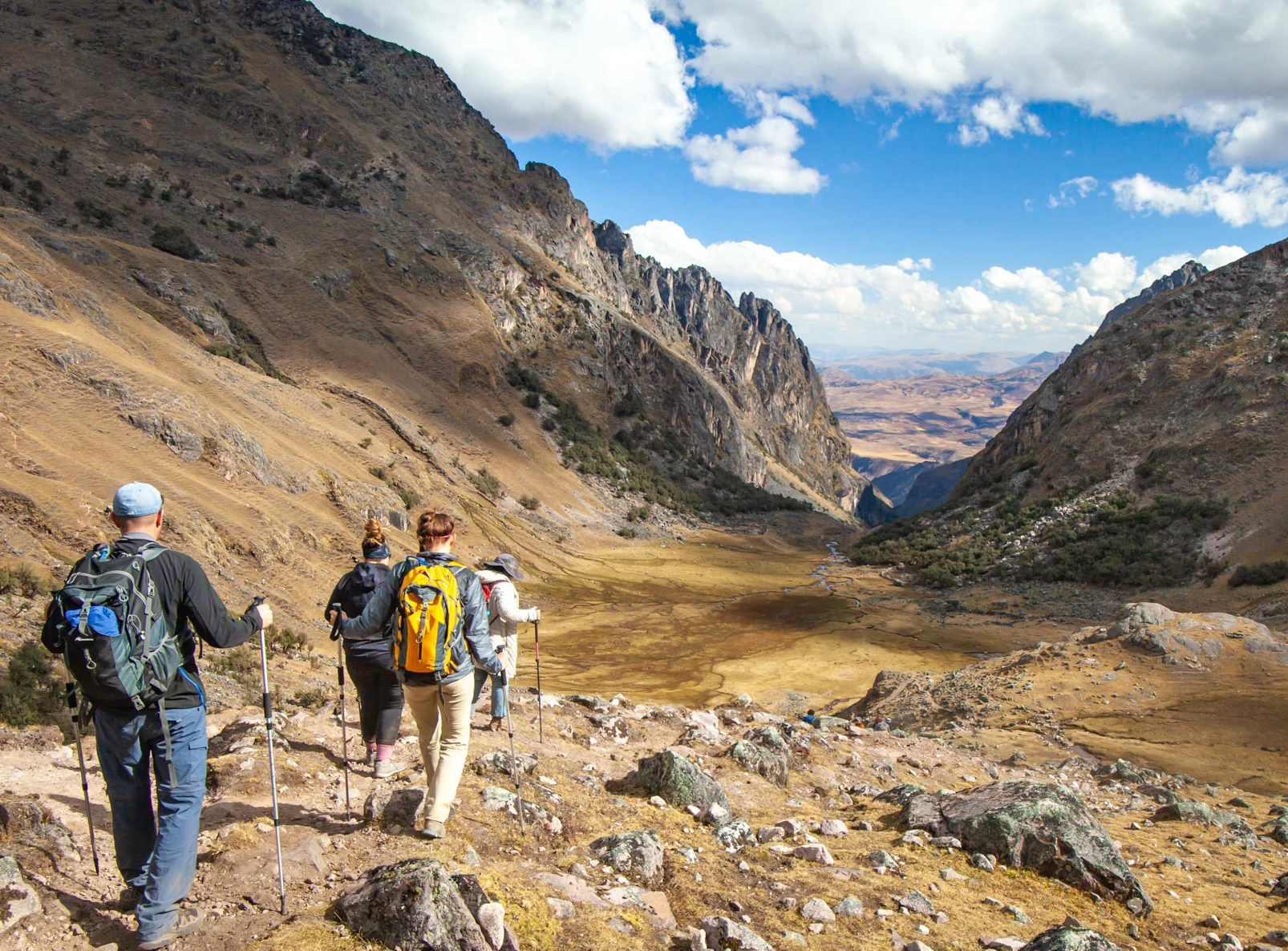
The Lares Trek is an alternative route to the famous Inca Trail, offering a less crowded experience. It stretches over approximately 33 kilometers and winds through the Sacred Valley of the Incas, providing an intimate look at traditional Andean communities and stunning natural scenery. Unlike the Inca Trail, you don’t need a permit to hike the Lares Trek, making it a more accessible option for spontaneous adventurers.
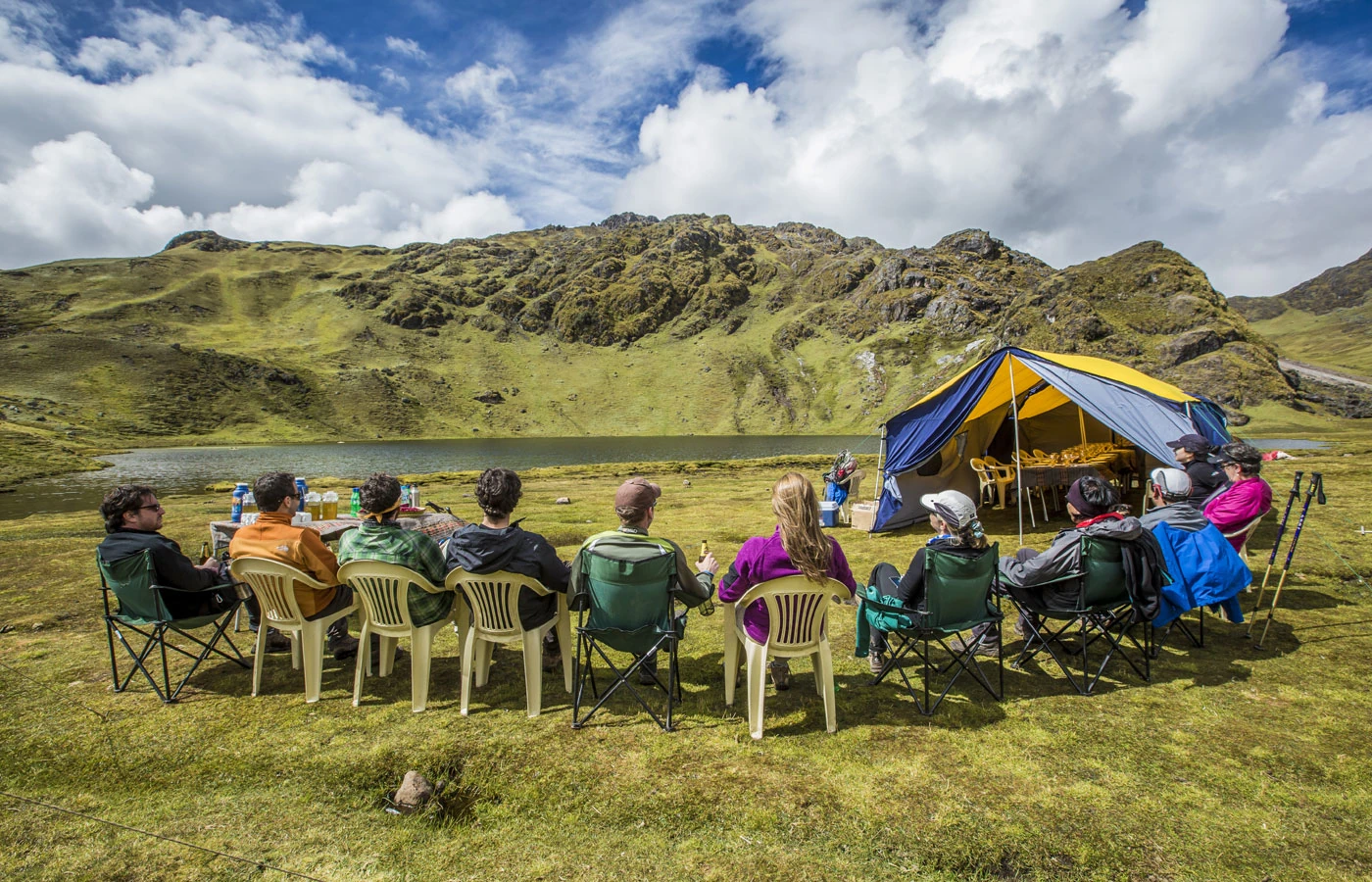
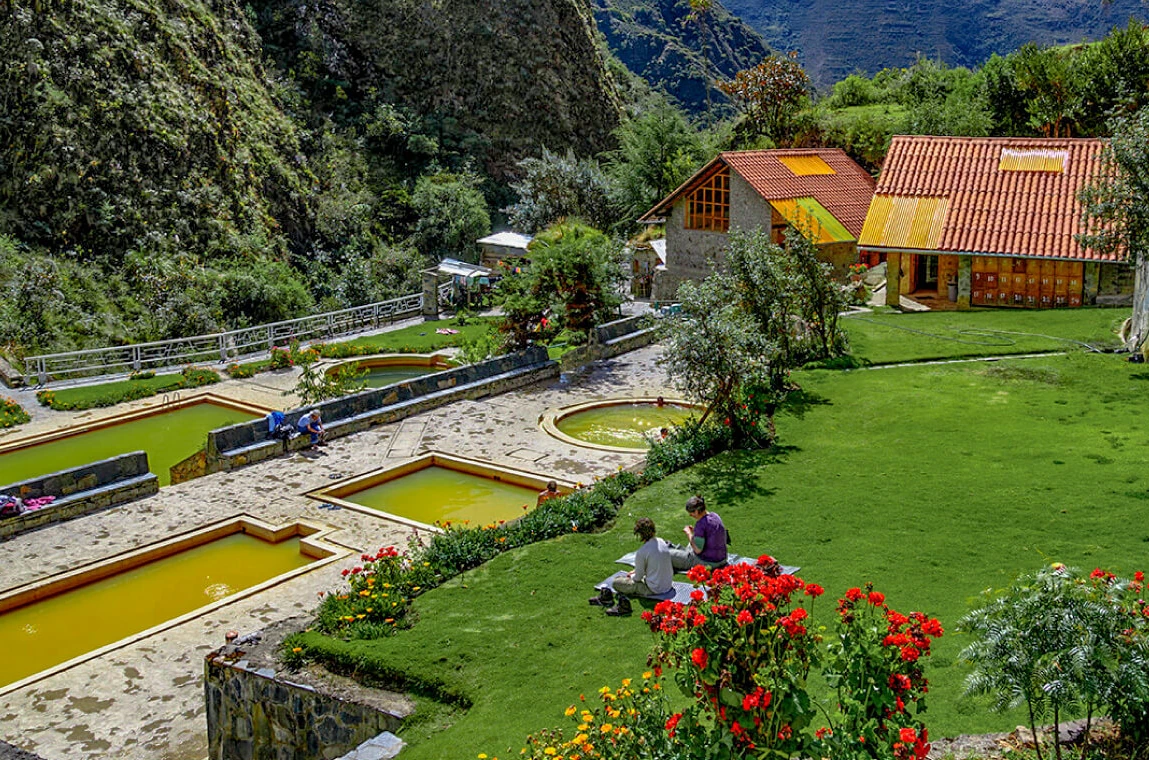
Many travelers grapple with choosing between the Lares Trek and the Inca Trail. While both routes lead to Machu Picchu, the experiences differ significantly. The Inca Trail is famous for its archeological sites, while the Lares Trek offers more cultural immersion with visits to remote villages. If you’re interested in connecting with local communities and witnessing their way of life, the Lares Trek is an ideal choice.
Moreover, the Lares Trek provides a more personal and peaceful hiking experience. The reduced foot traffic allows for serene moments with nature, perfect for those seeking solitude or a more spiritual journey. The trail’s less commercialized nature also means that interactions with locals are more genuine and untainted by the usual tourist hustle.
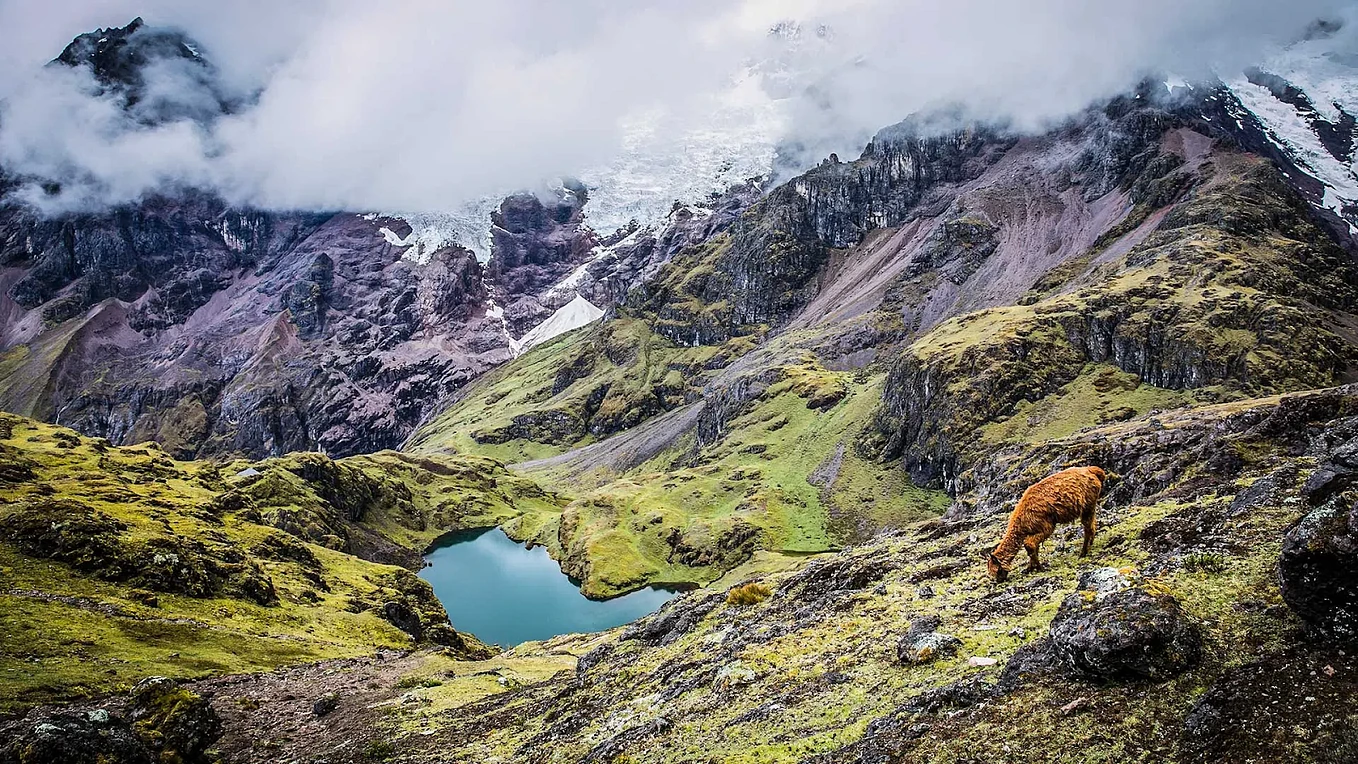
The Lares Trek like the inca trail to Machu Picchu renowned for its stunning natural beauty, featuring diverse landscapes that captivate the soul. The journey takes you through lush valleys, glacial lakes, and towering mountain peaks. Each day unveils a new aspect of Peru’s breathtaking topography, making every step an exciting discovery.
The trek also offers remarkable biodiversity. As you hike, you’ll encounter a variety of flora and fauna unique to the region. From the vibrant wildflowers that dot the trails to the majestic condors soaring above, the natural wonders of the Lares Trek provide endless inspiration for nature enthusiasts and photographers alike.
One of the most rewarding aspects of the Lares Trek is the opportunity to immerse yourself in Andean culture. The trail passes through several traditional Quechua-speaking villages, where you can witness age-old customs and daily life. These encounters offer a deeper understanding of the region’s cultural heritage and the chance to engage in meaningful exchanges with locals.
Participants can learn about traditional weaving techniques from skilled artisans and even try their hand at creating textiles. The warm hospitality of the villagers enriches the trekking experience, leaving a lasting impression on those fortunate enough to visit these remote communities.

Altitude sickness is a common concern when trekking in the Andes. Cusco, the starting point for the Lares Trek, sits at 3,400 meters above sea level. We recommend arriving in Cusco at least two days before your trek to acclimate. Use this time to explore the city and its surroundings while your body adjusts. Stay hydrated, avoid alcohol, and consider drinking coca tea, a traditional remedy for altitude sickness.
Taking gentle walks around Cusco can aid in acclimatization. Explore the historic sites, such as the impressive Qorikancha temple or the bustling San Pedro Market, which offers a sensory feast of local flavors and colors. These activities help your body adjust how the altitude affects you while enriching your cultural experience.
Packing wisely ensures a comfortable and enjoyable trek. Here’s a list of essentials:
Selecting the right tour operator can make or break your experience. Look for companies with positive reviews and knowledgeable guides who prioritize safety and cultural respect. We recommend booking your trek a few months in advance, especially if you’re traveling during peak season from May to September.
Consider tour operators that offer sustainable and eco-friendly practices. Supporting companies that give back to the local communities ensures that your trek has a positive impact on the region. Personalized itineraries and small group sizes can also enhance your trekking experience, providing a more intimate and customized adventure.
Preparing physically for the Lares Trek is crucial, as the terrain can be challenging. Start a fitness regimen several months in advance, focusing on cardiovascular exercises, strength training, and flexibility. Hiking on varied terrains with a loaded backpack will help condition your body for the demands of the trek.
Incorporating yoga or stretching routines into your preparation can improve flexibility and reduce the risk of injury. Prioritize exercises that strengthen your legs, core, and stamina to ensure you’re ready to tackle the high altitudes and steep inclines of the Lares Trek.
While itineraries vary, a typical Lares Trek lasts three to four days. Here’s a brief overview of what to expect:

For freelance photographers, the Lares Trek is a goldmine of photographic opportunities. The interplay of light and shadow on the mountains, vibrant textiles worn by villagers, and the tranquility of the lakes create stunning compositions. To capture authentic images, engage with locals respectfully and seek permission before photographing them.
Golden hours, during sunrise and sunset, offer the best lighting for landscape photography. Experiment with different angles and perspectives to highlight the unique features of the terrain. Capturing candid moments of local life can add depth and narrative to your photographic portfolio.
The Lares Trek is not just a physical journey but an emotional and spiritual one as well. Embrace the opportunity to disconnect from technology and immerse yourself in the natural world. The absence of modern distractions allows for a deeper connection with your surroundings and fellow trekkers.
Take time to appreciate the simple joys of trekking: the sound of the wind through the mountains, the scent of fresh air, and the camaraderie of shared experiences. These moments of mindfulness enrich your journey and leave lasting memories of your adventure in the Andes.
The Lares Trek offers a unique opportunity to engage with Quechua-speaking communities, providing a glimpse into their daily lives and traditions. These interactions are invaluable for academic researchers and culturally curious travelers. Remember, respect and openness are key when engaging with local cultures. Learning a few basic phrases in Quechua can go a long way in fostering goodwill.
Andean culture is rich with traditions that reflect a deep connection to nature. As you trek, you’ll witness farmers practicing traditional agriculture, herders tending to their llamas and alpacas, and artisans creating beautiful textiles. These experiences offer a profound appreciation for the Andean way of life and its harmonious relationship with the natural world.
Participating in local rituals or festivals can provide deeper insights into Andean spirituality and communal values. These celebrations often revolve around the agricultural calendar, emphasizing the importance of Pachamama, the earth mother, in daily life. Observing or participating respectfully in these traditions can be a transformative experience.
The villages along the Lares Trek are home to skilled artisans who produce exquisite handcrafted goods. From intricate weavings to pottery and jewelry, these crafts are a testament to the creativity and skill of the Andean people. Supporting these artisans by purchasing their products helps sustain traditional crafts and supports local economies.
Engaging with artisans provides a unique opportunity to learn about the techniques and stories behind each piece. Many artisans are eager to share their knowledge and may even offer workshops where you can try your hand at weaving or pottery, creating your own souvenir of the trek.
When visiting remote communities, it’s important to practice ethical and respectful travel. Be mindful of local customs and dress modestly to show respect for cultural norms. Always ask for permission before taking photos of individuals or their property, and offer a token of gratitude if they agree.

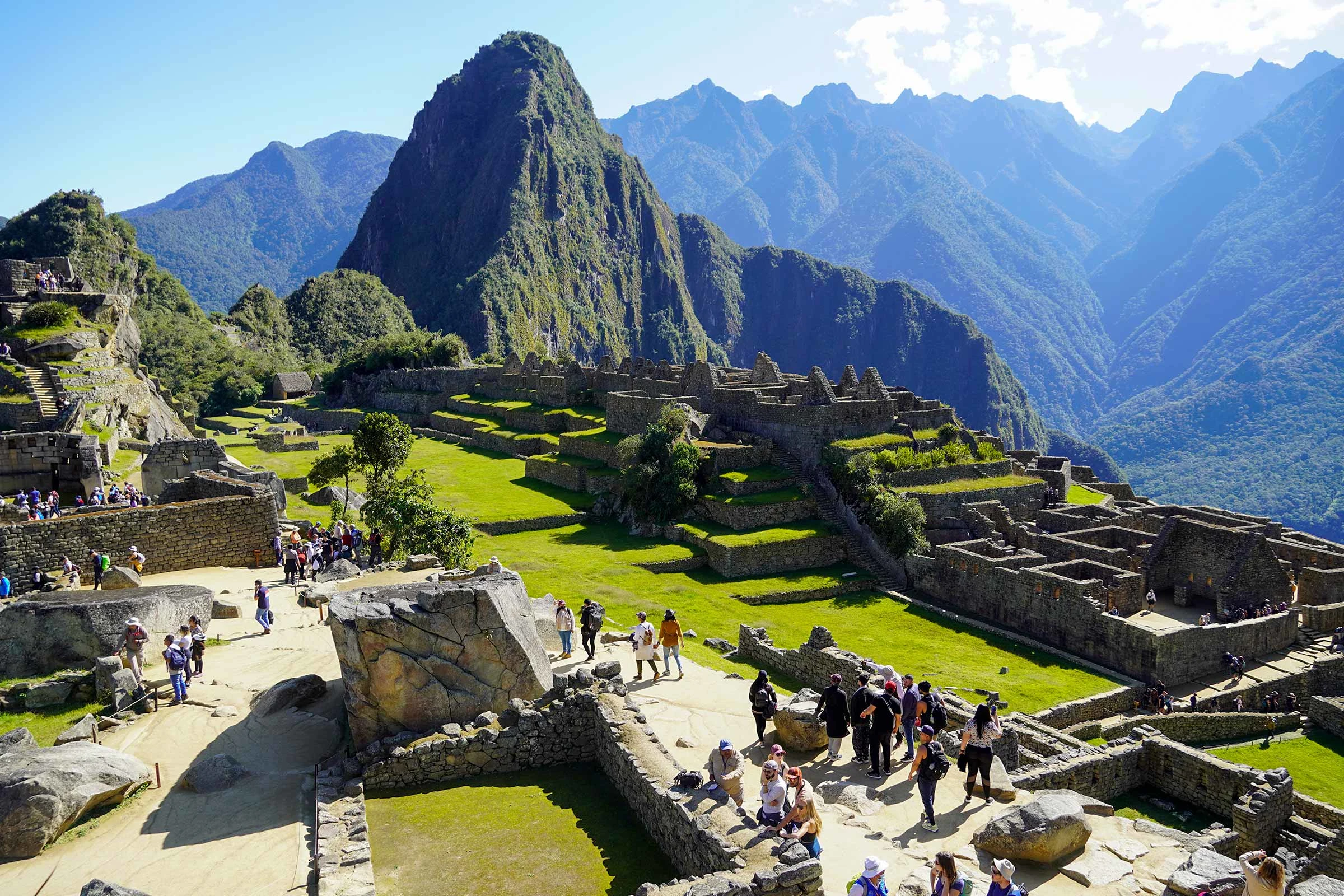
No trek to the Peruvian Andes is complete without a visit to Machu Picchu. Arriving early in the morning allows you to experience the mystical site before the crowds descend. As you explore the ancient ruins, take time to reflect on the journey that brought you here and the rich history of the Inca civilization.

As you stand amidst the ruins of Machu Picchu, take a moment to reflect on your journey. Consider the challenges you’ve overcome, the connections you’ve made, and the beauty you’ve witnessed. This reflection adds a layer of personal meaning to the historical significance of Machu Picchu, making your visit truly unforgettable.
The spiritual energy of Machu Picchu is palpable, offering a sense of peace and fulfillment. Allow yourself to be present in the moment, appreciating the culmination of your trek and the timeless majesty of the ancient citadel.
After doing the Machu Picchu hike, plan your departure thoughtfully. Whether you’re heading back to Cusco or continuing your travels in Peru, leave time for relaxation and reflection. Consider visiting the nearby town of Aguas Calientes for a soothing soak in the hot springs or exploring other attractions in the Sacred Valley.
Prepare for your journey home by organizing your photos, journaling your experiences, and sharing stories with fellow travelers. These activities help you process the adventure and keep the memories alive long after you’ve left the Andes behind.
Preparing for the Lares Trek requires thoughtful planning, but the rewards are immense. From the awe-inspiring landscapes to the enriching cultural interactions, the trek offers an unforgettable journey through one of the world’s most captivating regions. With our guidance, you’re now equipped to embark on this adventure with confidence and curiosity. Whether you’re a corporate executive seeking a well-organized itinerary, a photographer capturing the beauty of the Andes, or a researcher delving into cultural insights, the Lares Trek promises an experience that will stay with you long after the journey ends. Safe travels and enjoy every moment of your trek!