+51 980 852 691 +51 930 842 108 [ES] info@andeantrekkingperu.com Calle Marques 231 Int. 115. CC Sotomayor.
Contact Us

The Ultimate Guide to Trekking Salkantay Mountain Peru

Picture this: you’re hiking under a big, icy peak, your breath looks like smoke, and your legs are doing that “are we really doing this?” thing. A couple days later, you’re in warm air, surrounded by green, and someone’s selling fresh juice on the side of the trail. That whiplash is the Salkantay trek in a nutshell—and it’s exactly why so many people choose it as their route to Machu Picchu.

Salkantay Mountain Peru

This is a practical, human guide to Salkantay Mountain Peru: what the Salkantay trail feels like, what the Salkantay altitude does to real bodies, how to plan the logistics without losing your mind, and how to decide between Salkantay tours and going independent.

A quick map of this guide (so you don’t get lost)

  • First: Why this trek is such a crowd-pleaser (and when it’s a bad idea)
  • Next: Weather timing—because rain turns “fun challenge” into “mud festival” fast
  • Then: Difficulty + altitude, in plain language
  • After that: 4 days vs 5 days itineraries, plus the Humantay Lake side quest
  • Finally: Tours vs solo, packing, tickets, and the money side of the spreadsheet

So… what’s the Salkantay trek, really?

The Salkantay trek to Machu Picchu is a multi-day hike that starts high in the Andes and gradually drops toward the cloud forest near Aguas Calientes (the town below Machu Picchu). It’s often compared to the Inca Trail, but it feels less controlled. Fewer gates. Fewer rules. More “wow, we’re out here.”

And here’s the mild contradiction: it can feel more free… while still being logistically complicated. That’s not a dealbreaker—it’s just a heads-up. This trek is like a project with moving parts: weather, transport, tickets, sleep, food, and that one friend who swears they “don’t get altitude” (until they do).

Why people love it

Most hikers pick Salkantay Peru for three reasons: scenery, flexibility, and availability. The Inca Trail has strict permits. The Salkantay route usually doesn’t. So if you’re planning on a tighter timeline, Salkantay is often the path of least hassle.

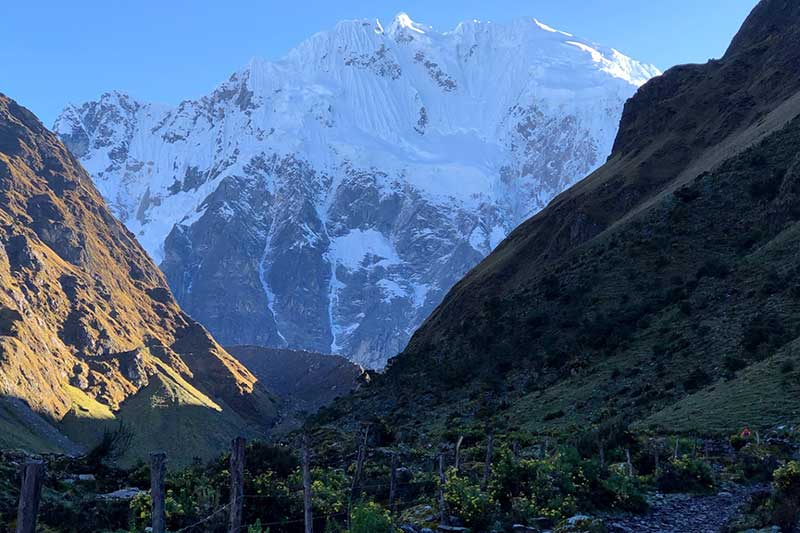
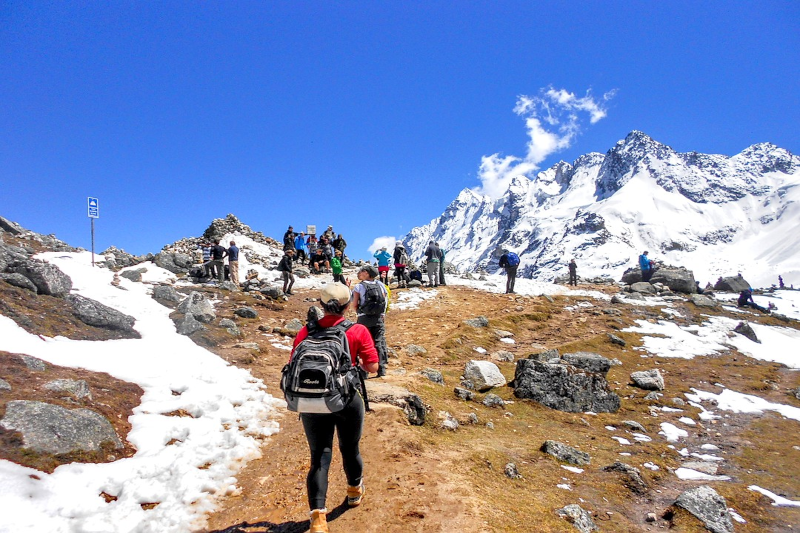
What you’ll actually see (and feel): snow peaks, glacial valleys, a high pass that makes you question your life choices for about an hour, then warmer hills, waterfalls, and farm areas where coffee and cacao show up like a pleasant plot twist.

When should you go? Let’s talk weather (without the drama)

Most people aim for the dry season: May through September. You’ll usually get clearer mornings, steadier trail conditions, and those classic mountain views.

Salkantay Mountain Peru

But dry season has a personality: sunny days, freezing nights, and more fellow hikers. Shoulder months like April and October can be a sweet spot—less crowded, still decent weather—though storms can sneak in. The rainy season (November to March) is greener, sure, but mud plus steep trails is a combo that can turn a “bucket list” hike into a long, slippery day.

One more reality check: even in the “good” months, the Salkantay route has mood swings. You can get bright sun, cold wind, and a surprise shower in the same afternoon. Pack for variety, not perfection.

Is it hard? The honest answer: it depends (but here’s what “depends” means)

The Salkantay trek is usually moderate to challenging. Translation: a fit person can struggle, and a not-super-fit person can still succeed. It’s not about being fast. It’s about being steady.

Most people get humbled by:

  • Long days: often 6–10 hours of hiking, depending on your itinerary
  • Terrain: loose rock, steep climbs, steep descents—your knees will have opinions
  • Cold mornings: getting out of a warm sleeping bag can be the toughest mental moment

Now for the good news: you can make this trek feel much easier with boring, grown-up choices—sleep, hydration, pacing, and not carrying a pack that weighs like a small refrigerator.

Salkantay altitude: the quiet boss fight

Let’s get precise for a second. Salkantay altitude is no joke, and it’s the main risk factor that turns a beautiful hike into a bad time.

  • Cusco: about 3,400 m (11,150 ft)
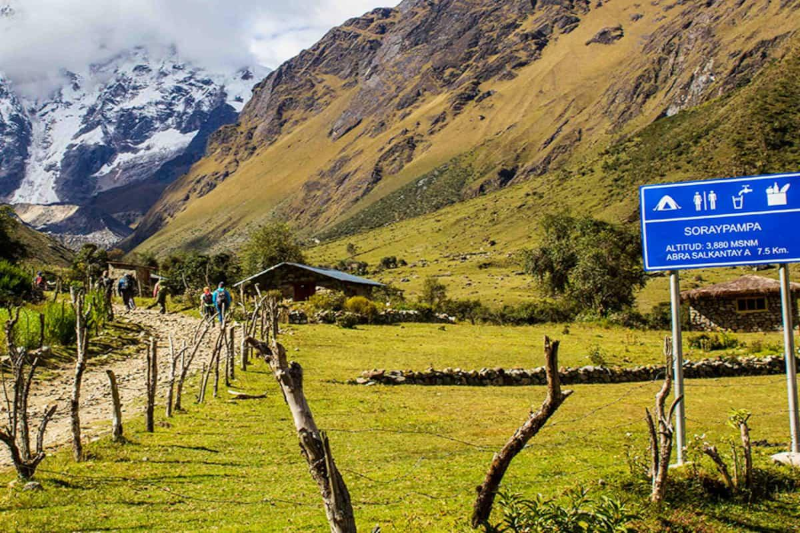
  • Soraypampa: about 3,900 m (12,800 ft)
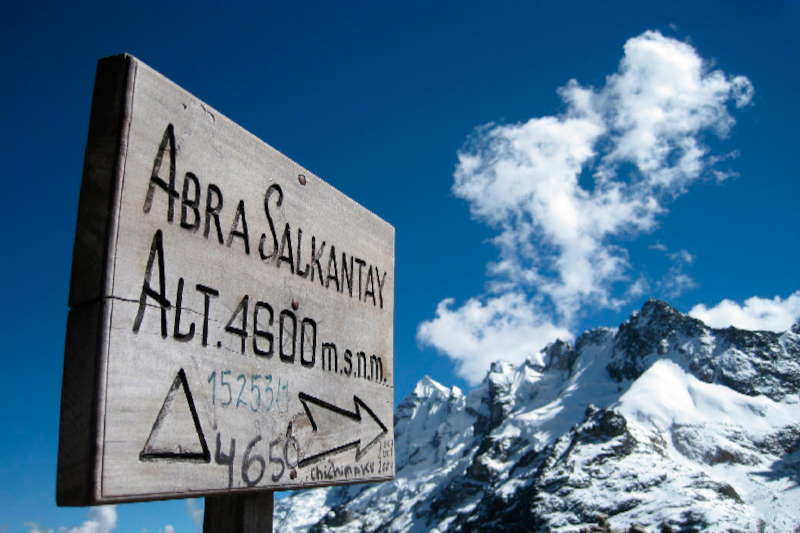
  • Salkantay Pass altitude: about 4,600+ m (15,000+ ft), depending on the exact route

If you land in Cusco and hit the trail immediately, your odds of feeling rough go up. Give yourself 2–3 days to acclimatize if you can. Think of it as risk management. Or, if you prefer casual language: it helps your body stop panicking about the thin air.

How to feel better at altitude (simple stuff, big payoff)

You know what? The basics work. They’re not glamorous, but they work.

  • Go slower than you think you need to on the climb to the pass.
  • Drink water often or coca tea and snack even if you’re not hungry.
  • Don’t “prove something” on day one. Save your energy for the pass day.
  • Talk to a clinician ahead of time if you’ve had altitude trouble before.

Common symptoms: headache, nausea, dizziness, unusual fatigue, weird sleep. If symptoms get severe or rapidly worse, the correct move is not hero behavior. It’s descent and medical help.

Salkantay Mountain Peru

4 days vs 5 days: same trek, very different vibe

Most itineraries follow the same arc—high Andes first, then down into greener terrain—but the pacing changes everything.

Option A: Salkantay trek 4 days (tight timeline, bigger days)

The Salkantay trek 4 days version is popular because, well, people have jobs and limited vacation days. It can be fantastic. It can also feel like you’re speed-running a masterpiece.

A common structure looks like:

  • Day 1: Cusco → Soraypampa → Humantay Lake side trip (optional) → sleep
  • Day 2: Salkantay Pass day → long descent → sleep
  • Day 3: Lower valleys / Hydroelectric approach (varies) → sleep near the Machu Picchu zone
  • Day 4: Machu Picchu visit → return to Cusco

Best for: acclimatized hikers who like a packed schedule and don’t mind tired legs.

Option B: 5 days (more breathing room, more enjoyment)

If you want the trek to feel like a journey, not a checklist, 5 days is usually the smoother call. You get more recovery time, and you’re less likely to feel rushed if weather or transport gets weird (and sometimes it does).

A typical 5-day plan includes:

  • Day 1: Soraypampa base + Humantay Lake
  • Day 2: Cross the pass + descend
  • Day 3: Cloud forest + farm areas (often with hot springs nearby)
  • Day 4: Approach Aguas Calientes
  • Day 5: Machu Picchu exploration

Humantay Lake: worth the extra effort?

Usually, yes. The Humantay Lake side trip is steep and short and sometimes brutal at altitude—and then you arrive, and it looks like someone spilled turquoise paint into the mountains. If you’re already feeling altitude symptoms, skip it without guilt. If you feel okay, go for it, but take your time. Nobody’s giving medals for arriving sweaty and miserable.

Guided Salkantay tours vs going independent (the “logistics” section, but make it human)

You can hike the Salkantay mountain route without a guide. People do. And it can be awesome. But here’s the trade: you’ll be your own operations manager.

Guided Salkantay Trek tour operators basically sell convenience: transport, meals, camps/lodges, and a guide who’s seen altitude sickness up close and knows when someone’s fading. For many travelers, that’s worth it. It’s like hiring a project lead so you can focus on the work.

Going independent means you’re juggling:

  • Transport to the start and from the finish
  • Where you’ll sleep each night (availability changes)
  • Food planning and water treatment
  • Machu Picchu tickets and entry times

If you’re a confident hiker with solid planning habits, independent trekking can be a great fit. If you’re nervous about altitude, traveling with kids, or simply want fewer decisions, Salkantay tours often make the trip more enjoyable.

Getting to Soraypampa without chaos

Salkantay Mountain Peru

Most treks start near Soraypampa. The usual plan is an early morning departure from Cusco, a stop around Mollepata, then a drive up to the trailhead. If you’re handling this on your own, build a time buffer. Mountain roads, weather, and “the van is running late” are all very real plot twists.

Sleep setups: tents, lodges, and the fine print

This is where expectations matter. Some “lodge” itineraries are cozy, with real bedding and a door that shuts tight. Others are simple guesthouses. Neither is bad—just different. Ask what you’re getting: private room or shared? hot shower or cold bucket? sleeping bag included or not?

A small tangent that matters: sleep is performance. If you sleep poorly, day two feels harder, altitude feels louder, and your mood gets… spicy. So yes, comfort can be worth paying for.

Packing: think layers, not bulk

Pack like you’re going through multiple climates—because you are. Keep it light, but don’t get cute and under-pack warmth. Cold nights near the pass can feel personal.

A simple packing core:

  • Warm base layers + an insulated jacket
  • Waterproof shell (jacket and, ideally, pants)
  • Hat + gloves
  • Footwear with grip you’ve already worn in
  • Trekking poles (seriously helpful on long descents)
  • Water bottles + purification (Sawyer, tablets, whatever you trust)
  • Sun protection (high altitude sun hits hard)

For navigation and planning, apps like Maps.me, AllTrails, or Gaia GPS can help—just don’t assume you’ll have signal. Offline maps are your friend.

Tickets and permits (quick and clear)

The trekking route itself usually isn’t permit-limited like the Inca Trail. But you still need the big ticket: Machu Picchu entry. Those tickets have timed slots and circuit rules. In peak months, they can sell out. So if your dates are fixed, book ahead.

Also: your return transport can be a major line item. Trains cost more but save time. Alternative routes can save money but add uncertainty. Choose what fits your schedule and stress tolerance.

Cost talk: what makes prices swing?

Budget questions come up a lot. The honest answer is that price depends on comfort and inclusions—meals, gear, horses/mules, lodging level, and whether Machu Picchu tickets and return transport are bundled.

When comparing a tour quote with another tour quote, don’t just look at the number. Look at the scope. What’s included, what’s excluded, and what’s “available for an extra fee” once you’re already in Cusco.

Salkantay trek vs Inca Trail: which one fits you?

If you want archaeology along the way and a highly regulated route, the Inca Trail has that classic feel. If you want big mountains, more open scenery, and fewer booking constraints, Salkantay Mountain Peru usually wins.

And honestly, plenty of people end up on Salkantay because Inca Trail permits are gone—then they finish the trek and say, “Wait… why doesn’t everyone do this?” That’s a good problem to have.

Final takeaway (and a tiny pep talk)

The Salkantay trek is demanding, but it’s not a stunt. It’s a well-traveled route with real support options—especially if you go with a guide—and the payoff is huge: glacier views, jungle edges, and a walk into one of the most famous places on Earth.

Take altitude seriously. Pack smart. Pace yourself. Then enjoy the weird little moments you didn’t plan for—like that first warm breeze after a freezing morning, or the taste of coffee in a valley you had to earn with your own legs. That’s the stuff you remember.