+51 980 852 691 +51 930 842 108 [ES] info@andeantrekkingperu.com Calle Marques 231 Int. 115. CC Sotomayor.
Contact Us

What to know before choosing Salkantay Trek vs Inca Trail

Deciding between these two routes to Machu Picchu really comes down to a simple answer. Choose the Inca Trail for the most iconic archaeological journey. Choose Salkantay for a wilder, higher altitude mountain adventure instead.

Both treks are unforgettable, but they feel very different on the ground. The Inca Trail is more regulated, more historically focused, and famous for entering Machu Picchu through Intipunku, the Sun Gate. Salkantay runs longer, higher, and more dramatic in terms of glaciers, passes, lakes, and cloud forest. The real question isn’t which trek is better, honestly. It’s which trek fits someone’s travel style, fitness level, timing, and expectations.

salkantay-trek-vs-inca-trail

Quick Answer: Inca Trail vs Salkantay

For most travelers comparing inca trail vs salkantay, the choice comes down to four priorities.

Choosing the Inca Trail makes sense if the dream involves walking original Inca routes, visiting archaeological sites along the way, camping inside a protected heritage landscape, and arriving at Machu Picchu on foot through the classic gateway. Choosing Salkantay makes sense instead for big Andean scenery, a higher mountain pass, more flexibility when Inca Trail permits run unavailable, and a trek that feels more focused on nature than ruins.

The Inca Trail fits travelers planning far ahead who feel comfortable booking through an authorized operator. SERNANP states that entry to the Inca Trails Network of the Historic Sanctuary of Machu Picchu happens only through authorized travel and tourism agencies. Salkantay fits better for those booking closer to travel dates, wanting a trek that’s often easier to arrange, or preferring a route that passes places like Humantay Lake, Salkantay Pass, cloud forest, and Aguas Calientes before visiting Machu Picchu.

Why These Two Treks Are Compared So Often

The Inca Trail and Salkantay Trek both end with the same emotional goal, seeing Machu Picchu after several days of walking through the Andes. Machu Picchu is part of a UNESCO World Heritage property recognized as the Historic Sanctuary of Machu Picchu, which gives both routes a sense of global importance and cultural weight.

The routes aren’t interchangeable though. The Inca Trail is a protected network of heritage paths with checkpoints, campsites, archaeological sites, and strict access rules. SERNANP describes multiple Inca Trail Network routes that can be traveled between two and five days, with basic facilities such as checkpoints, camping areas, restrooms, and signage.

Salkantay, by contrast, usually gets chosen as a high mountain alternative. The classic version typically crosses Salkantay Pass at around 4,600 meters, descends into cloud forest, and continues toward Aguas Calientes, the town below Machu Picchu.

That’s the foundation of the salkantay vs inca trail debate. One trek runs more archaeological and ceremonial, while the other stays more alpine and landscape driven.

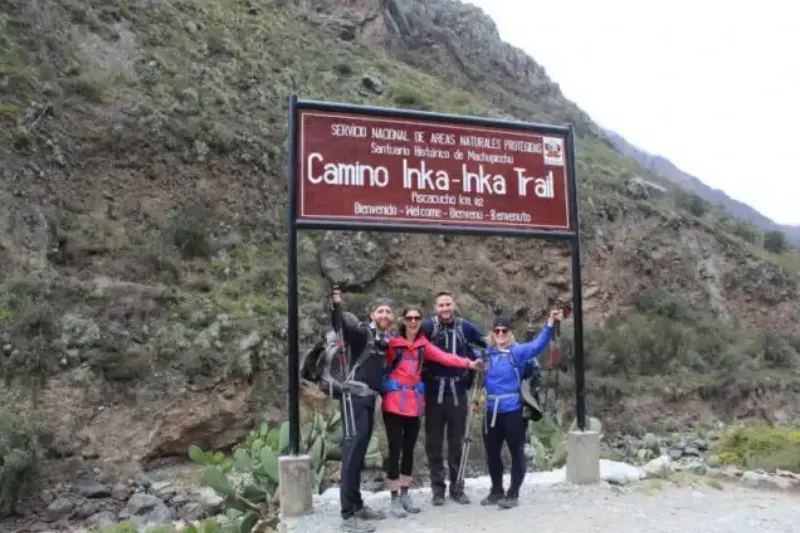
What the Inca Trail Is Really Like

The Classic Inca Trail is the more famous of the two. Most travelers know it as a four day, three night trek from the Sacred Valley area toward Machu Picchu. Many operators describe the classic route as about 42 kilometers, or 26 miles, though exact distances vary depending on how a route gets measured and which variant gets used.

The experience isn’t defined by distance alone. Trekking Inca Trail routes means walking through changing ecosystems, climbing stone staircases, crossing mountain passes, and visiting archaeological sites before reaching Machu Picchu. SERNANP lists archaeological attractions on the main Inca Trail route including Patallaqta, Wayllabamba, Runkurakay, Sayaqmarka, Phuyupatamarka, Wiñaywayna, Intipunku, and the llaqta of Machu Picchu.

The Inca Trail also feels highly structured. Entry happens with a licensed agency, official checkpoints get passed along the way, designated camps provide overnight stays, and the whole route follows a design meant to manage visitor impact. This is part of why the trail can feel more organized than remote wilderness treks.

salkantay-trek-vs-inca-trail

What Makes the Inca Trail Special

The Inca Trail’s biggest strength is narrative. Each day builds toward Machu Picchu in a way that feels intentional.

  • The journey begins in the Sacred Valley landscape.
  • It climbs into higher Andean terrain.
  • It passes ruins that create a sense of histor
    ical progression.
  • It winds through cloud forest and stone paved sections.
  • It reaches Intipunku and descends toward Machu Picchu.

For many travelers, this final arrival is the main reason to choose the Inca Trail. Machu Picchu isn’t just visited after a trek here. The route itself becomes part of the story.

Who the Inca Trail Suits Best

The Inca Trail usually suits travelers who:

  • Want the classic Machu Picchu trekking experience.
  • Care deeply about Inca history and archaeology.
  • Like the idea of walking through a protected heritage route.
  • Are willing to book well in advance.
  • Prefer a highly organized guided trek.
  • Want a shorter trek than the standard Salkantay itinerary.
  • Feel comfortable with camping and stone steps.

The Inca Trail may not fit ideally for anyone booking last minute, traveling in February, or looking primarily for glacial scenery and high alpine landscapes.

What the Salkantay Trek Is Really Like

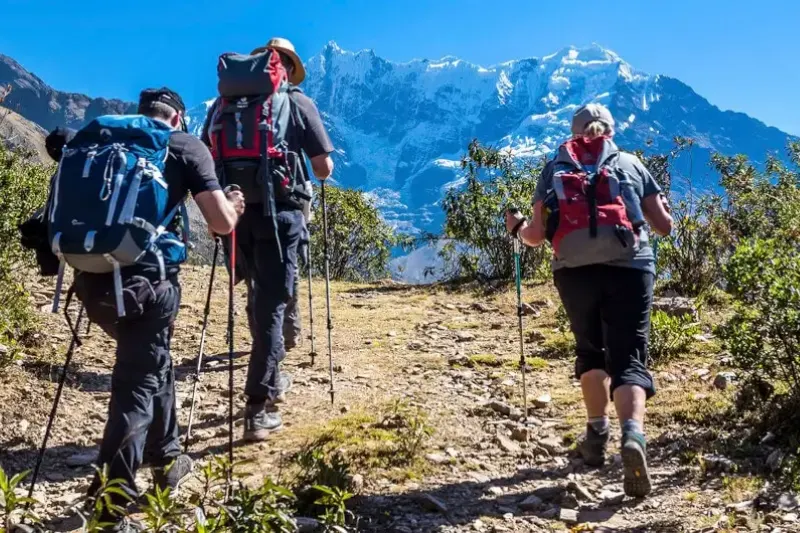
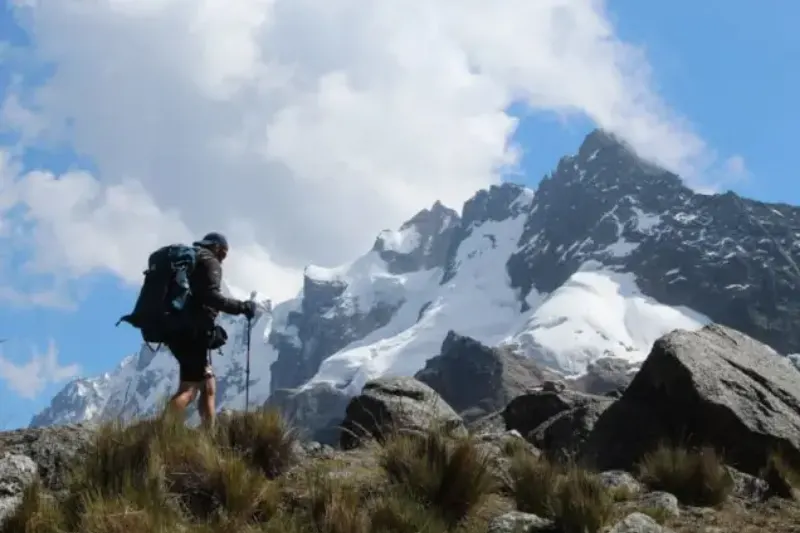
The Salkantay Trek often gets described as the adventurous alternative to the Inca Trail. It’s less about ruins and more about scale. Snow peaks, cold mornings, dramatic valleys, turquoise lakes, warmer cloud forest, and the feeling of crossing from one ecological zone into another.

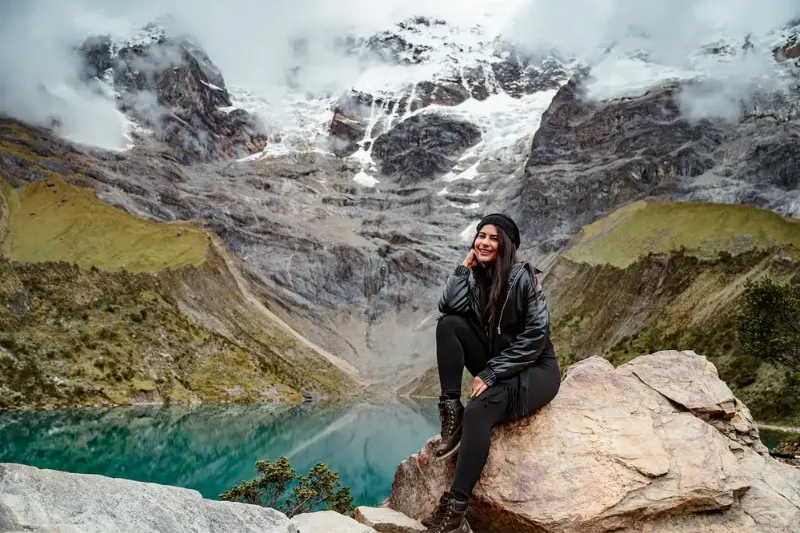
A common five day itinerary includes Humantay Lake, Salkantay Pass, cloud forest, the Cocalmayo or Santa Teresa area, Llactapata on some versions, Aguas Calientes, and finally Machu Picchu. One major operator describes the classic five day Salkantay route as crossing Salkantay Pass at 4,600 meters before descending into cloud forest and passing Llactapata, with the trek ending via access to Aguas Calientes.

The route is physically demanding. The CDC specifically notes that travelers doing the Salkantay trek in Cusco, listed at 4,630 meters, face risk for altitude illness along with other travelers visiting high Andean destinations.

salkantay-trek-vs-inca-trail

What Makes Salkantay Special

Salkantay’s appeal is visual and elemental. The trail puts mountains first.

  • Humantay Lake adds a high altitude turquoise lake experience.
  • Salkantay Pass provides the big challenge and high point.
  • The descent into cloud forest creates a dramatic climate shift.
  • Some itineraries offer views toward Machu Picchu from Llactapata.
  • The final night in Aguas Calientes can feel more comfortable than another camping night.

If the Inca Trail feels like a pilgrimage through history, Salkantay feels like a crossing of landscapes.

Who Salkantay Suits Best

The Salkantay Trek usually suits travelers who:

  • Want higher mountains and more dramatic natural 
    scenery.
  • Feel comfortable with a longer and harder trek.
  • Couldn’t secure Inca Trail permits or are planning later.
  • Prefer varied landscapes over archaeological sites every day.
  • Want an adventurous route with a strong sense of physical accomplishment.
  • Like the idea of ending in Aguas Calientes before visiting Machu Picchu.

Salkantay may not fit ideally for anyone very sensitive to altitude, wanting the most direct historical route into Machu Picchu, or strongly preferring a shorter trek.

Route and Arrival: The Biggest Emotional Difference

The biggest difference in salkantay trek vs inca trail comes down to how someone actually arrives at Machu Picchu.

On the Inca Trail, the route itself leads through Intipunku and toward the archaeological site. SERNANP’s descriptions of Inca Trail routes include Intipunku and the llaqta of Machu Picchu as part of the route’s archaeological sequence.

On Salkantay, most classic itineraries don’t enter Machu Picchu directly through the Inca Trail’s Sun Gate. Instead, they usually finish by reaching Aguas C

alientes, where travelers spend the night before taking the bus or walking up to Machu Picchu the next day.

This matters more than many people expect. If the dream image involves walking through the Sun Gate after days on a historic trail, the Inca Trail is hard to beat. If the dream involves standing b

elow a snow covered Andean peak and crossing a high pass, Salkantay may end up more memorable.

salkantay-trek-vs-inca-trail

Scenery: Ruins and Cloud Forest vs Glaciers and Valleys

The Inca Trail has excellent scenery, though it’s not simply a mountain view trek. Its landscapes include valley sections, high passes, cloud forest, orchids, stone paths, and archaeological sites. SERNANP highlights birds, mammals, orchids, and multiple archaeological attractions along the main route.

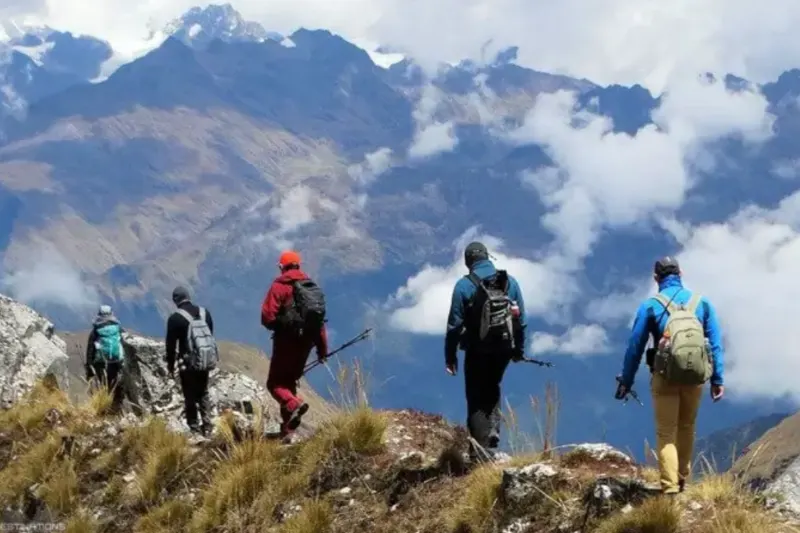
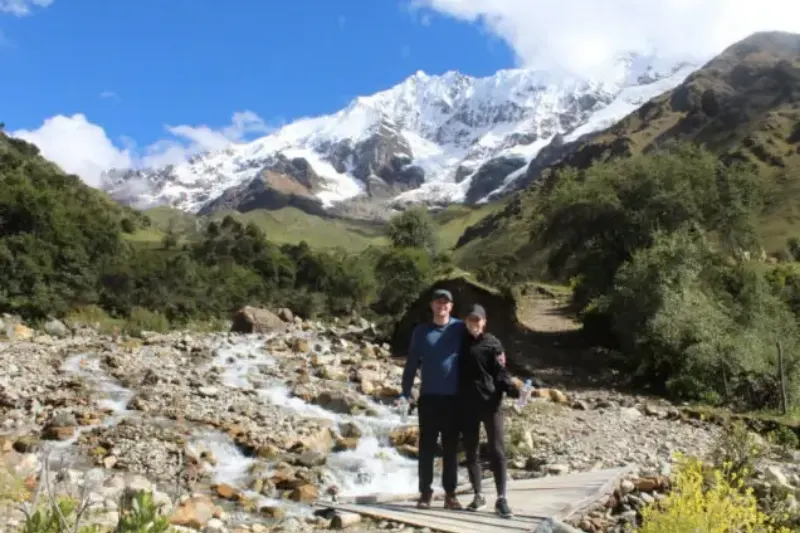
Salkantay runs more dramatic in a classic alpine sense. The trek centers around the snow capped Salkantay massif, high Andean lakes, and the descent from cold mountain terrain into warmer cloud forest. Anyone wanting variety in climate and terrain will find Salkantay has a strong advantage.

Think of it this way. Inca Trail scenery feels ancient, layered, and cultural. Salkantay scenery feels larger, wilder, and more mountainous. Neither is objectively better. They simply create different memories.

Difficulty: Which Trek Is Harder?

Salkantay is generally considered the harder trek, since it runs longer for most standard itineraries and reaches a higher altitude. The Salkantay high point commonly sits around 4,600 meters, and the CDC identifies the Salkantay trek in Cusco at 4,630 meters as a high altitude risk environment.

That doesn’t make the Inca Trail easy though. The Inca Trail has steep climbs, long descents, uneven stone steps, and camping at altitude. Many hikers find the second day especially challenging because of the climb to the high pass. Ev

en fit travelers can get surprised by how slow they move at elevation.

A useful way to compare difficulty breaks down like this.

  • Cardio challenge: Salkantay often wins because of higher altitude and longer days.
  • Knee and step challenge: the Inca Trail can prove tougher because of stone staircases and descents.
  • Altitude challenge: Salkantay usually wins because it reaches higher elevation.
  • Logistical challenge: the Inca Trail can be harder to book because access is more regulated.
  • Mental challenge: both require patience, pacing, and comfort with changing weather.

Anyone fit but with limited high altitude experience shouldn’t underestimate either route.

Permits, Rules, and Availability

This counts as one of the most practical differences in inca trail vs salkantay planning.

The Inca Trail is regulated. Nobody can simply arrive in Cusco and start walking the classic route alone. SERNANP states that entrance to the Inca Trails Network happens only through travel and tourism agencies authorized by the Historic Sanctuary of Machu Picchu headquarters.

The Inca Trail also closes for maintenance. For 2026, SERNANP announced that access to the Inca Trails Network of the Historic Sanctuary of Machu Picchu would be temporarily closed throughout February, with tourism operations resuming on March 1, 2026.

Salkantay is usually more flexible, since it’s not the same regulated Inca Trail Network route in the classic sense. Flexibility doesn’t mean planning can get ignored though. Transportation, camps or lodges, meals, weather preparation, and a valid Mac

hu Picchu entry ticket all still matter for the visit.

For Machu Picchu itself, ticketing and routes matter for both treks. The official Machu Picchu website explains that three visitor circuits grouping ten routes have been in effect since June 1, 2024. The Ministry of Culture also opened 2026 ticket sales for the Inca Trail Network and Machu Picchu in November 2025 to support advance planning.

salkantay-trek-vs-inca-trail

Best Time to Go

For both routes, the best trekking months generally fall during the drier part of the Andean year. SERNANP lists the recommended season for the Historic Sanctuary of Machu Picchu as April to October and the rainy season as November to March.

That makes May through September especially popular, with clearer skies but higher demand. April and October can work as excellent shoulder months, though weather can turn less predictable. November through March can feel greener and quieter, but rain, mud, landslides, and clouds become more likely. February counts as a special case for the Inca Trail, since the route closes for annual maintenance. Anyone trying to nail down the Best season to visit Peru overall should really treat these dry months as the anchor for planning either trek.

For Salkantay, weather deserves extra respect, since the route crosses higher, colder terrain. Rain in the valleys can mean snow, sleet, or harsh wind near the pass. Always asking an operator what conditions to expect for a specific departure date makes sense.

Cost and Value

Prices vary widely by operator, group size, service level, equipment quality, porter or mule support, train category, Machu Picchu ticket type, and hotel choices. Rather than choosing only by the lowest price, comparing what’s actually included matters more.

For the Inca Trail, looking closely at these makes sense:

  • Official permit and entry arrangements.
  • Machu Picchu ticket and circuit details.
  • Guide credentials.
  • Porter treatment and weight limits.
  • Sleeping equipment quality.
  • Meals and drinking water.
  • Group size.
  • Train return arrangements.
  • Emergency equipment and evacuation plan.

For Salkantay, looking closely at these matters just as much:

  • Whether Humantay Lake is included.
  • Where camps or lodges are located.
  • Whether the itinerary includes Llactapata.
  • How the route reaches Aguas Calientes.
  • Whether Machu Picchu tickets are included.
  • Whether the return happens by train, bus, or a combination.
  • Muleteer and animal welfare standards.
  • Cold weather equipment for the pass.

A cheap trek can become expensive if it excludes key transportation, tickets, sleeping bags, meals, or return logistics. A more expensive trek can be good value if it includes safe staffing, ethical support, better equipment, and clearer ticket arrangements.

Comfort and Camping Style

The Inca Trail is usually a camping trek with designated campsites. Since it’s regulated, the structure stays predictable, but it’s still basic mountain camping. Expect early wakeups, shared facilities, and limited privacy.

Salkantay varies more. Budget trips may use tents and simple camps, while higher end versions may include domes, cabins, lodges, or upgraded stays. Some itineraries include a final night in Aguas Calientes, which gives access to a real bed and shower before visiting Machu Picchu.

If comfort matters most, Salkantay may offer more variety. If the heritage route matters more than amenities, the Inca Trail is still the classic choice.

Fitness and Altitude Preparation

Both treks require preparation, especially for anyone living near sea level. Cusco already sits high, and the treks go higher still. The CDC notes that travelers visiting destinations above 2,500 meters, including Cusco, and those hiking in the Andes face risk for altitude illness.

Planning at least a couple of easy acclimatization days before starting either trek helps a lot. Spending time in Cusco or the Sacred Valley, avoiding heavy alcohol, staying hydrated, eating lightly at first, and doing a short practice hike before departure all matter. The CDC’s altitude guidance emphasizes gradual acclimatization and recognizing symptoms such as headache, dizziness, fatigue, nausea, and vomiting.

Training should include:

  • Long walks or hikes with elevation gain.
  • Stair climbing or hill repeats.
  •  
  • Leg strength for descents.
  • Core work for stability with a daypack.
  • Back to back hiking days to simulate trek fatigue.
  • Practice using trekking poles.
  • Walking in the boots or trail shoes worn later in Peru.

Anyone with heart, lung, sleep apnea, blood, or other medical conditions should talk with a clinician familiar with high altitude travel before committing to either trek. The CDC recommends medical consultation for travelers with underlying conditions before high altitude trips.

salkantay-trek-vs-inca-trail

Packing Priorities for Both Treks

Packing for sun, cold, rain, and altitude matters, since conditions can change quickly in the Andes.

  • Broken in hiking boots or trail shoes with strong grip.
  • Moisture wicking base layers.
  • Warm fleece or insulated jacket.
  • Waterproof rain jacket.
  • Trekking pants and warm sleep layers.
  • Sun hat, warm hat, and gloves.
  • High SPF sunscreen and sunglasses.
  • Reusable water bottle or hydration bladder.
  • Personal medication and basic blister care.
  • Headlamp with spare batteries.
  • Lightweight power bank.
  • Trekking poles, especially for sensitive knees.
  • Dry bags or waterproof liners for clothing.
  • Small daypack for water, layers, snacks, and camera.

For the Inca Trail, prioritizing comfortable gear for stone steps and camping makes sense. For Salkantay, prioritizing warmth and wind protection for the high pass matters more.

Responsible Trekking and Ethical Operators

Responsible travel matters on both routes. The Inca Trail passes through a protected sanctuary, and SERNANP advises visitors to use marked routes, respect wildlife and flora, avoid single use plastics, carry out waste, hire authorized operators, support the local economy, and follow protected area rules.

When comparing operators, direct questions help.

  • Are guides properly licensed?
  • How are porters, cooks, muleteers, and drivers paid?
  • What weight limits are enforced for porters or animals?
  • What equipment is provided to staff?
  • What happens in a medical emergency?
  • How is trash handled?
  • Are local communities involved fairly?

The cheapest operator isn’t always the most responsible. A fair trek protects travelers, workers, animals, archaeological sites, and the landscape.

Which Trek Should You Choose?

Choosing the Inca Trail makes sense for anyone whose heart is set on history. It’s the better route for travelers who want ruins, stone paths, a sense of pilgrimage, and the iconic approach to Machu Picchu through Intipunku. It also fits well for anyone organized enough to book early and comfortable traveling within a regulated system.

Choosing Salkantay makes sense for anyone whose heart is set on mountains instead. It’s the better route for travelers who want a tougher physical challenge, more dramatic alpine scenery, greater route flexibility, and a journey that moves from glacier views to cloud forest before reaching Machu Picchu.

For anyone still undecided, a simple decision filter helps.

  • Caring more about archaeology points to the Inca Trail.
  • Caring more about mountains points to Salkantay.
  • Booking far in advance works for either.
  • Booking late fits better with Salkantay.
  • Wanting the classic arrival points to the Inca Trail.
  • Wanting the higher challenge points to Salkantay.
  • Traveling in February rules out the Inca Trail because of the annual closure.
  • Worrying about altitude matters for both, but Salkantay generally goes higher.

Frequently Asked Questions

Is the Inca Trail or Salkantay better?
Neither is universally better. The Inca Trail wins for history, archaeological sites, and the classic Machu Picchu arrival. Salkantay wins for mountain scenery, altitude challenge, and flexibility.

Which trek is harder?
Salkantay is usually harder, since it’s commonly longer and reaches a higher pass. The Inca Trail still demands a lot because of steep climbs, stone steps, and repeated elevation gain and loss.

Can beginners do either trek?
Fit beginners can complete either trek with preparation, but training before arriving in Peru and allowing time to acclimatize both matter. Beginners unsure about altitude may prefer the Inca Trail or the Short Inca Trail over the standard Salkantay route.

Do both treks include Machu Picchu?
Most organized versions of both treks are designed to include a Machu Picchu visit, but verifying the exact ticket, circuit, and route included in a package matters. Machu Picchu uses defined visitor circuits and routes, so the experience inside the site can vary by ticket type.

Is trekking the Inca Trail worth it?
Yes, for anyone who values history, atmosphere, and the emotional build up of reaching Machu Picchu by an ancient route. The Inca Trail isn’t just a hike. It’s a cultural journey through protected landscapes and archaeological sites.

Is Salkantay worth it if Inca Trail permits fall through?
Yes. Salkantay isn’t a consolation prize. It’s a major Andean trek in its own right, with scenery many travelers find more dramatic than the Inca Trail. If the priorities are mountains, challenge, and flexibility, Salkantay may even end up the better choice.

Final Verdict

The best way to compare salkantay vs inca trail comes down to thinking about the story someone wants their trek to tell.

The Inca Trail tells a story of culture, stone paths, ancient sites, and a carefully protected approach to Machu Picchu. Salkantay tells a story of glaciers, altitude, changing ecosystems, and physical adventure.

Wanting the classic pilgrimage points to the Inca Trail. Wanting the grand mountain crossing points to Salkantay. Either way, planning early, acclimatizing properly, choosing a responsible operator, and confirming Machu Picchu ticket details before departure all matter just as much as the choice itself. For anyone still mapping out logistics beyond just these two options, a broader look at Trekking in the Andes: Routes and Tips for Peru can help fill in the gaps around permits, gear, and seasonal timing that apply across the region.